Portland, Ore.-based startup Viscardia Inc. has received breakthrough device designation from the FDA for its implantable Visone system to treat moderate to severe heart failure with reduced ejection fraction and preserved ventricular synchrony. The minimally invasive implant works by stimulating a specific portion of the diaphragm.
Paris-based health care startup Cardiologs Technologies SAS has launched a clinical study to assess the use of its artificial intelligence (AI) platform to remotely monitor cardiac safety in COVID-19 patients being treated with the malaria drug hydroxychloroquine. The study could help to detect and prevent serious cardiac effects of the drug.
Pi-Cardia Ltd. has raised a $27 million round of financing led by Sofinnova Partners. The Rehovot, Israel-based company will use the round to back parallel U.S. feasibility and European pivotal trials of its catheter-based, nonimplant heart valve calcification treatment.
The Trump administration has proposed a policy to gradually reopen the U.S. for business, part of which is to allow a resumption of elective procedures and treatments in outpatient settings. While patients with urgent medical needs presumably are being treated already, the policy would seem to promise a boost in volumes for certain devices, such as coronary artery stents, knee implants and transcatheter aortic valve replacement (TAVR) devices, all of which enjoy at least limited Medicare coverage for outpatient use.
Keeping you up to date on recent developments in cardiology, including: Modeling the post-infarct heart; Researchers: Cancer immunotherapy poses threat to heart muscle; Lighting up the path for heart procedures.
Wayne, Pa.-based Intact Vascular Inc. has secured U.S. FDA approval for the first peripheral vascular implant to repair below-the-knee (BTK) post-angioplasty dissections. The company expects to begin shipping units of the Tack endovascular system (4F) in about two weeks.
Keeping you up to date on recent developments in cardiology, including: women can reduce stroke risk; Researchers see promise as stroke-damaged rat brains are repaired; Questions raised over blood pressure devices for home monitoring.
Physicians who perform a variety of device implant procedures face a difficult choice in determining whether a patient should be treated. A new article in the Journal of the American College of Cardiology (JACC) recommends that patients who ordinarily would be candidates for surgical aortic valve replacement (SAVR) might instead be referred for the transcatheter alternative.
Abbott Laboratories, of Abbott Park, Ill., reported that its Triclip transcatheter tricuspid valve repair system has received the CE mark. The device is a nonsurgical treatment for people with tricuspid regurgitation (TR), and, according to the company, it is the first minimally invasive, clip-based tricuspid valve repair device to be commercially available. The Triclip is delivered to the heart through the femoral vein in the leg and works by clipping together a portion of the leaflets of the tricuspid valve to reduce the backflow of blood.
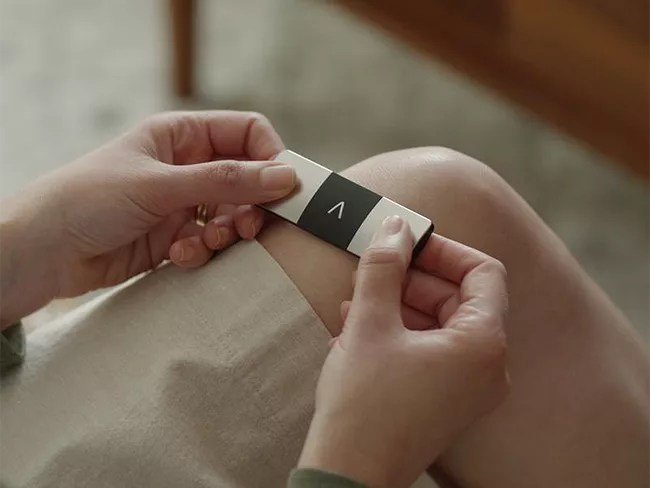
BOGOTA, Colombia – Alivecor Inc., of Mountain View, Calif., is taking its Kardiamobile solution to capture medical-grade ECGs to the Mexican market after receiving clearance from the Comisión Federal para la Protección contra Riesgos Sanitarios, that country’s health care authority.
 RSS
RSS