The U.S. FDA has given the greenlight to Eko Devices Inc.’s electrocardiogram (ECG)-based algorithm to aid in detecting patients with heart failure during the COVID-19 pandemic. The artificial intelligence (AI)-powered algorithm, which provides a quick way to screen for low ejection fraction, won FDA breakthrough status in December of 2019.
Keeping you up to date on recent developments in cardiology, including: Necklace used to detect abnormal heart rhythm; Link found between blood vessel inflammation, malfunctioning mitochondria; Liver-specific pre-eclampsia treatment is maternal-specific, as well.
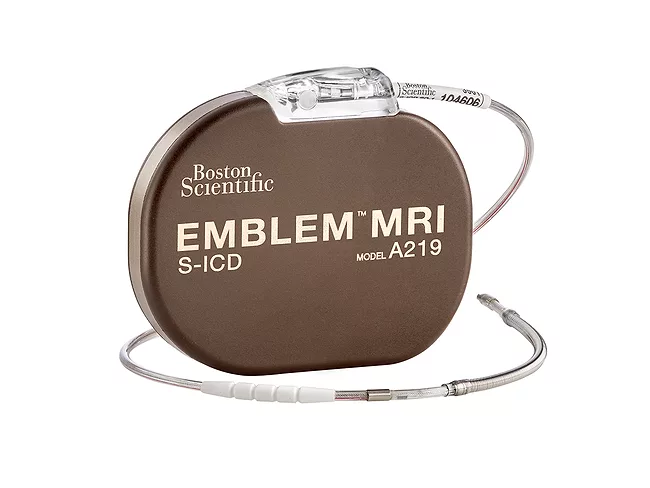
Boston Scientific Corp. reported positive results for its Emblem subcutaneous implantable defibrillator (S-ICD) system and next-generation Watchman Flx left atrial appendage closure (LAAC) device at the Heart Rhythm Society scientific sessions, which were online only this year due to the COVID-19 pandemic.
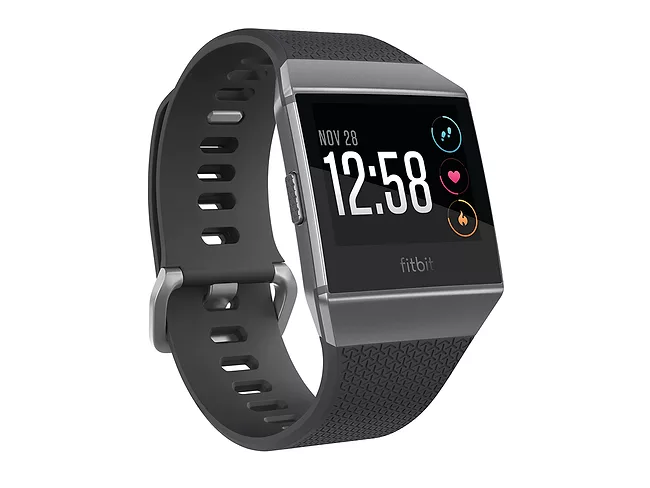
Wearables giant Fitbit Inc. has kicked off its first large-scale, virtual study to evaluate how well its wrist-worn technology can spot episodes of irregular heart rhythm that might indicate atrial fibrillation (AF). The study, part of a broader plan to equip Fitbit devices with new tools to speed the detection of a range of conditions, is open to people in the U.S. ages 22 and older who own a Fitbit that tracks heart rate.
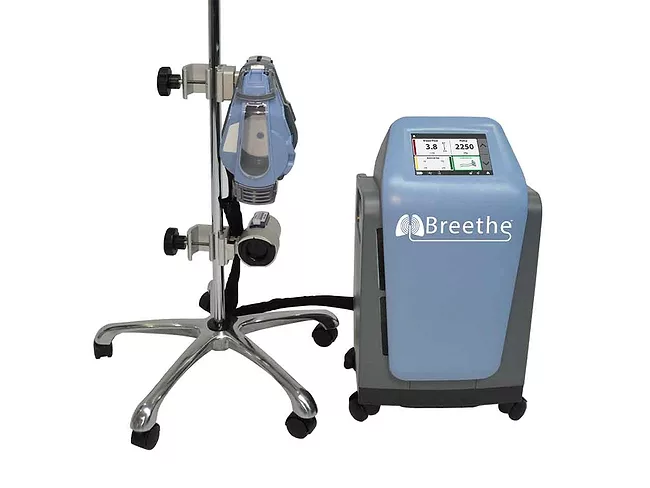
Zoll Medical Corp., of Chelmsford, Mass., received CE mark approval to market its second-generation Supersaturated Oxygen (SSO2) Therapy in Europe and other countries that accept CE mark. The therapy, which delivers hyperbaric levels of oxygen to the ischemic heart muscle immediately following percutaneous coronary intervention, has been shown to significantly reduce damage to the heart muscle after an acute myocardial infarction.
Keeping you up to date on recent developments in cardiology, including: Older siblings’ example turns stem cells into heart cells; Study: High blood pressure meds safe for patients, even during COVID-19 pandemic; COVID-19 spurs fast-tracking of heart, brain health research.
Researchers in Guangzhou, China, have developed a nanoparticle-based lateral flow immunoassay that quickly and accurately detects antibodies to the SARS-CoV-2 virus that causes COVID-19. The current test, which works in a similar manner to a pregnancy test, detects IgG antibodies in blood in less than 10 minutes. A proof-of-concept study appeared in Analytical Chemistry this week.
PARIS – April 2020 was a milestone month for the key players in interventional cardiology in France. The reimbursement system in France is finally opening its doors to the drug-eluting balloon (DEB), following years in the wilderness.
The restrictions on elective surgeries as hospitals struggle to manage the unfolding global pandemic are hitting medical device companies particularly hard. Abiomed Inc., which specializes in a tiny, minimally invasive heart pump to support heart failure patients, saw its first fiscal fourth-quarter revenue flatten as procedures were postponed. Still, U.S. revenue remained stronger than Wall Street had expected, even as ex-U.S. revenue had deeper declines.
Temporary cardiac pacing is often required for hospitalized cardiac patients, particularly for increasingly common transcatheter aortic valve replacement (TAVR) procedures. Startup Atacor Medical Inc. has raised a $25 million series B round to back its development of a novel extracardiac temporary pacing system. Intriguingly led by an undisclosed corporate partner, the financing is slated to get the company through a U.S. and European pivotal trial, as well as regulatory review in those regions. The San Clemente, Calif.-based startup also aims to continue developing interim and permanent iterations of its system.
 RSS
RSS