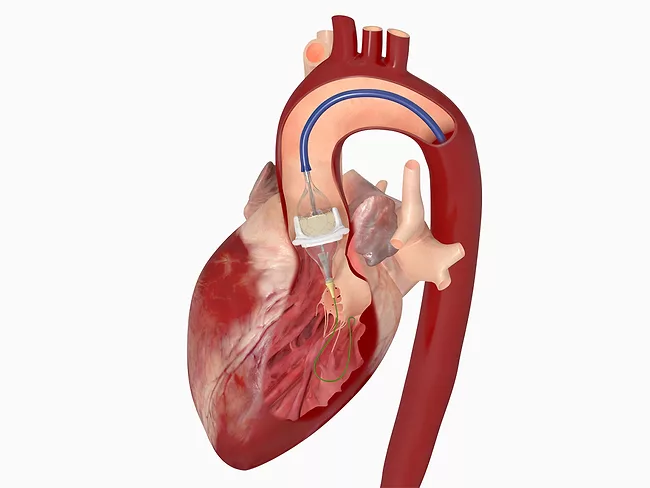
NATIONAL HARBOR, Md. – Cardiovalve Ltd., of Or Yehuda, Israel, scored a double hit with the U.S. FDA, winning a breakthrough device designation for its transcatheter tricuspid valve replacement system, as well as approval to conduct an early feasibility study in tricuspid regurgitation (TR).
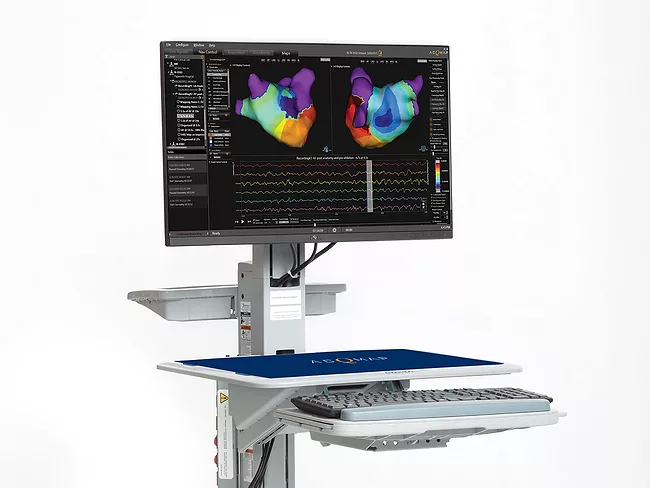
Acutus Medical Inc. is working to build itself into a major competitor in cardiac electrophysiology. The latest step to do so is an FDA clearance for its second-generation cardiac mapping software known as Supermap. This works in conjunction with its next-gen Acqmap 3D Imaging and Mapping System. The Carlsbad, Calif.-based startup, which was founded in 2011, is now marketing these in both the U.S. and Europe, where Supermap received a CE mark in October 2019.
Medtronic plc, of Dublin, blamed dampened demand for heart devices ahead of new product launches for its third-quarter revenue miss. Fiscal 2020 Q3 revenue totaled $7.72 billion, below Wall Street’s estimate of $7.81 billion, for organic sales growth of 2.6% vs. consensus and guidance of 4% or higher.
Keeping you up to date on recent developments in oncology, including: Study bolsters case for maximal resection for glioblastoma; CD47 knockout improves antitumor vaccine; Distinguishing real from backseat drivers; Protons come to American state of Alabama.
Brisbane, Calif.-based Caption Health Inc. received good news from the U.S. FDA, which has given a thumbs up to Caption Guidance. This software aims to assist medical professionals in the acquisition of cardiac ultrasound images and uses artificial intelligence (AI) to provide real-time guidance.
Keeping you up to date on recent developments in cardiology, including: Researchers find 'first responder' that triggers plaques; Heart muscle cells alter their energy source during regeneration; More evidence points to rosiglitazone, heart issues.
PARIS – Carmat SA, from Vélizy-Villacoublay, France, has obtained full FDA approval for its investigational device exemption application (IDE). The company is now able to initiate a U.S. early feasibility study (EFS) of its total artificial heart. “This full approval to initiate a U.S. study confirms the FDA’s confidence in our ability to conduct a feasibility study of the first bio-prosthetic artificial heart in the United States,” Stéphane Piat, CEO of Carmat, told BioWorld.
The advent of transcatheter aortic valve replacement (TAVR) changed the framework for dealing with aortic valve stenosis, but some clinicians might argue there was a corresponding and inappropriate rush away from surgical aortic valve replacement (SAVR).
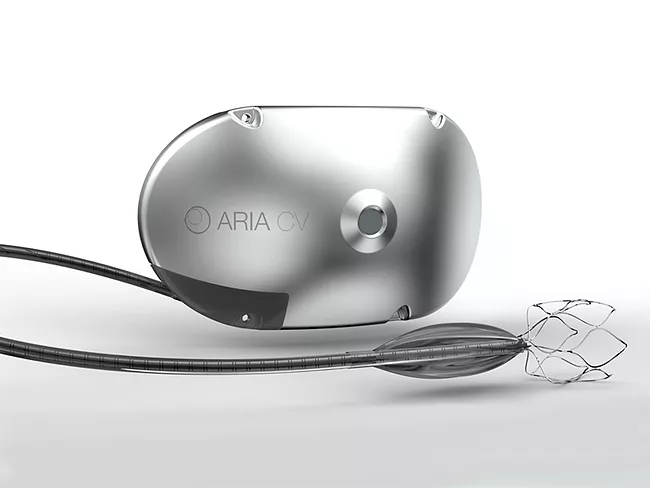
Aria CV Inc., which focuses on pulmonary arterial hypertension (PAH), has won a breakthrough device designation from the U.S. FDA for the Aria CV pulmonary hypertension (PH) system. The implanted Aria CV PH system aims to restore the benefits of a healthy, elastic pulmonary artery, which in turn reduces cardiac workload and enhances blood flow.
Medicare coverage of ventricular assist devices assumes the patient is either in end-stage heart failure or could become a candidate for transplant, but that approach may soon change. Abbott Laboratories, of Abbott Park, Ill., has asked that Medicare coverage assume the patient can recover myocardial function, a paradigm shift that is backed by clinical evidence.
 RSS
RSS