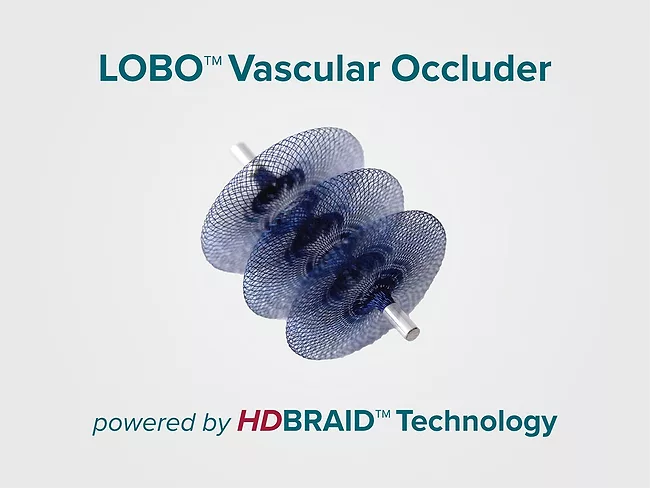
Okami Medical Inc., which last year gained the U.S. FDA’s nod for the LOBO vascular occlusion system, has reported the close of a series D financing totaling $7.2 million. The round was led by U.S. Venture Partners and joined by members of Okami's board and other stakeholders.
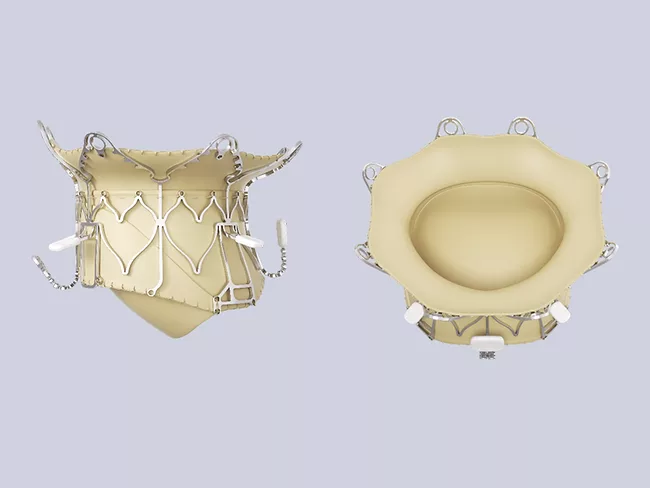
Startup Foldax Inc. has raised a $20 million series D round to back its development of biopolymer-based surgical and minimally invasive heart valves. Heart valves typically are either based on porcine or bovine tissues or are mechanical.
French startup Affluent Medical SA has launched a European pilot study in humans of its native-like transcatheter mitral valve technology. The Epygon valve is designed to restore the normal blood flow vortex in the left side of the heart and treat left ventricle disease, particularly in so-called “functional” patients.
Precardia Inc. received some good news from the U.S. FDA, which has granted the company's catheter-based system for treating volume overload in patients with acutely decompensated heart failure (ADHF) breakthrough device designation. The device is intended to quickly reduce congestion in the venous system, known as cardiac preload, with an eye toward improving overall cardio-renal function.
Makers of devices for ablation for atrial fibrillation (AF) have struggled at times to overcome clinician skepticism, but a new report in a respected medical journal might persuade some of those cardiologists. A study of nearly 28,000 AF patients in South Korea demonstrated that device therapy yielded lower rates of death and admission for heart failure compared to medical therapy, suggesting that ablation is a valid alternative to medical therapy, at least for patients in Asia.
Keeping you up to date on recent developments in cardiology, including: App helps to detect fluid in the lungs in HF patients; Connection between opioids and heart surgery; 3D map of heart’s neurons.
Keeping you up to date on recent developments in cardiology, including: Assessing who’s at risk for heart rhythm disorders; Rewiring the heart to prevent recurrent fainting spells; Understanding link between COVID-19, cardiovascular diseases.
PARIS – Robocath SAS, of Rouen, France, has secured a new $43 million funding round to boost roll-out of its R-One robotic system for treating vascular disease. This series C funding was led by Hong Kong-based Microport Scientific Corp.
Keeping you up to date on recent developments in cardiology, including: Stroke protection effects like night and day; Blood pressure meds help range of patients when taken as prescribed; Test IDs undetected blood clots in COVID-19 patients.
Medical science continues to define the relative risks of progressively smaller patient subsets across the disease spectrum, but this is particularly true of late in connection with aortic stenosis (AS).
 RSS
RSS