The results of Reducer 1, an international, three-arm observational study of an initial 241 patients with refractory angina were remarkable, Neovasc COO Bill Little told BioWorld.
Edwards Lifesciences Corp. reported better-than-expected results when it released its second quarter earnings late July 23, with revenue down 15% to $924 million, from $1.1 billion in the same period of 2019. The results beat Wall Street consensus of $797.5 million, and reflected an uptick in surgical procedures that had been delayed by the COVID-19 pandemic. The Irvine, Calif.-based company sustained a net loss of $121.9 million, or $0.20 per share, based on generally accepted accounting principles (GAAP), a sharp drop from $242.3 million, or $0.38 per share, in the same quarter last year. However, adjusted earnings looked brighter at $0.34 per share.
PARIS – Inheart SAS completed its first funding round of $4.2 million to improve cardiac arrhythmia treatment using medical imaging, artificial intelligence and digital simulation. This fund round was led by Elvia Partners SAS, a Parisian investment fund managed by Xavier Lazarus specializing in deep tech, and Aquitaine Science Transfer, a company accelerating technology transfer, from the University of Bordeaux.
Keeping you up to date on recent developments in cardiology, including: COVID-19's influence on broken heart syndrome; Researchers see hope with blood test for advancing heart failure treatment; Antiplatelet med could treat heart attack.
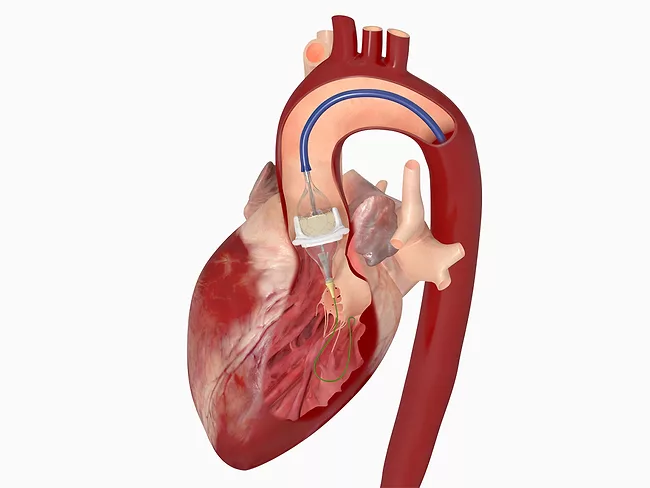
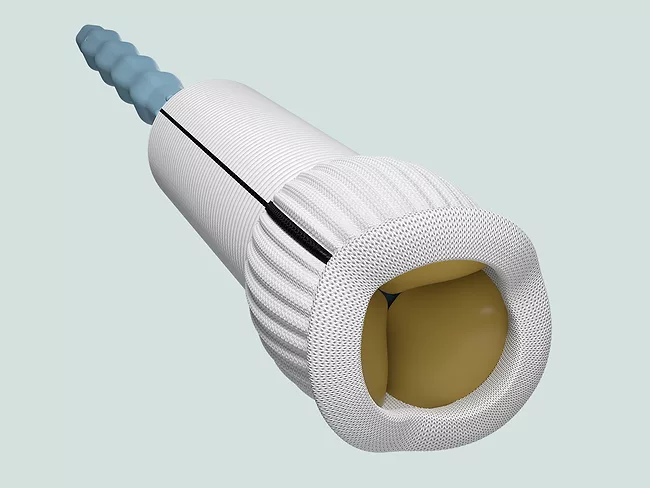
Edwards Lifesciences Corp. has scored an approval from the U.S. FDA for the Konect Resilia aortic valved conduit, a ready-to-implant solution for bio-Bentall procedures.
Ongoing litigation between rivals Edwards Lifesciences Corp. and Abbott Laboratories is over, with the two settling all outstanding patent disputes in cases related to transcatheter mitral and tricuspid repair products. Details of the settlement remain confidential.
Keeping you up to date on recent developments in cardiology, including: Noncoding mutations contribute to heart disease; Link between heart, kidney inflammation following heart attack; Study: Women on beta blockers face higher risk of heart failure with acute coronary syndrome.
On Tuesday, July 7, Judge Stacey Jernigan of the U.S. Bankruptcy Court in Dallas ruled that Endologix Inc. could take an initial draw of $10 million from a Chapter 11 loan from its largest lender, Deerfield Partners. A day earlier, Endologix filed a voluntary Chapter 11 case and a consensual plan of reorganization supported by Deerfield.
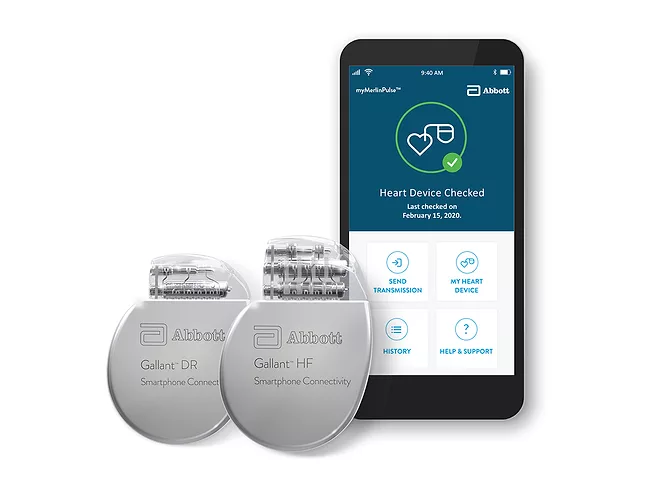
The U.S. FDA has given its nod to Abbott Laboratories' next-generation Gallant implantable cardioverter defibrillator (ICD) and cardiac resynchronization therapy defibrillator (CRT-D) devices. The Gallant system pairs with Abbott's secure Mymerlinpulse, an iOS- and Android-compatible mobile smartphone app that aims to streamline communication between doctors and their patients.
 RSS
RSS