Pulse Medical Imaging Technology Co. Ltd.’s latest trial showed its quantitative flow ratio (QFR) guidance provided a 35% risk reduction in the one-year rate of major adverse cardiac events, compared to standard angiography guidance. QFR, developed by Pulse, could be used to guide the strategy and optimization of percutaneous coronary intervention.
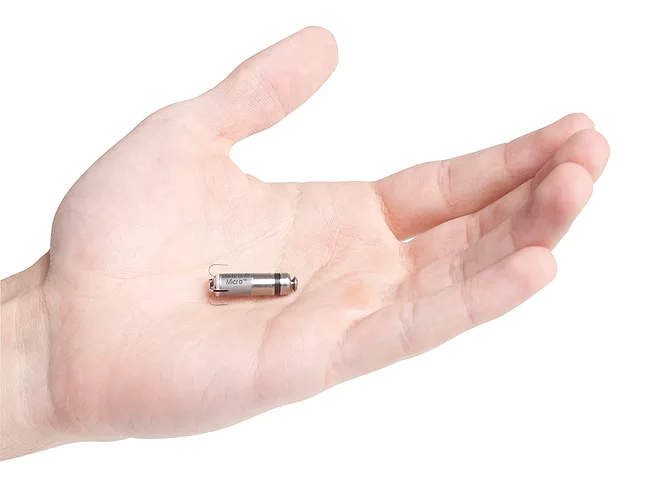
Dublin-based Medtronic plc’s Micra pacemaker was a groundbreaking device when the FDA approved the leadless pacemaker in 2016, thanks to the elimination of the hazards associated with pacemaker leads. However, the FDA said recently that the risks associated with cardiac perforation with leadless pacemakers, such as tamponade or death, might be higher with the Micra than with pacemakers with leads.
A study led by scientists at Victor Chang Cardiac Research Institute in Sydney, Australia, has shown that the transcription factor hypoxia-inducible factor 1 (HIF-1) suppresses harmful reactive oxygen species (ROS)-induced growth of cardiac fibroblasts (CFs) and fibrotic scarring after myocardial infarction (MI) in knockout (KO) mice.
Vuno Inc. has received its third breakthrough device designation from South Korea’s Ministry of Food and Drug Safety (MFDS), for its artificial intelligence (AI)-based electrocardiogram (ECG) analysis software Vuno Med DeepECG. Vuno is the first company to have three such designations to its name. “We developed Vuno Med DeepECG via long-term ECG data analysis research. With this breakthrough designation, we target expanding our market share in the medical AI industry via our bio-signal businesses. Among these is ECG data, which can help diagnose various heart diseases and has high potential,” Yeha Lee, chairman at Vuno, told BioWorld.
The FDA granted Cardialen Inc. an investigational device exemption (IDE) to begin a clinical trial of its Multipulse Therapy (MPT) to treat paroxysmal and persistent atrial fibrillation (AF). MPT is a low-energy electrical pulse therapy aimed at restoring abnormally rapid heart rates, such as AF, to a regular rhythm to reduce the potential for high-energy shocks. Studies have shown that almost 1 in 4 patients experience anxiety or depression after receiving an implantable cardioverter defibrillator (ICD).

 RSS
RSS