After a decade of research, the NIH 4D Nucleome program on July 23 delivered a wealth of new insights into how spatial changes in chromatin structure and DNA methylation regulate gene expression in health and disease. In a collection of eight papers published in Science and Science Advances, researchers describe how they have applied single-cell level multi-omics data and tools and techniques developed in the first part of the 4D Nucleome program to track changes in the noncoding part of the genome that are involved in heart disease, Alzheimer’s disease, brain aging, retinal health and immune cell development.
Scoring high marks on two more phase III obesity trials, this time involving serious type 2 diabetes and cardiovascular complications, Eli Lilly and Co. has cleared the path for a BLA filing for its triple-G candidate retatrutide, which many expect will eventually surpass the top two marketed drugs in the space.
Evogene Ltd. and Eleo Inc. have established a strategic scientific collaboration to discover and develop next-generation oral small-molecule inhibitors targeting the PCSK9 pathway for the treatment of hyperlipidemia and cardiovascular diseases.
Once again, Arrowhead Pharmaceuticals Inc.’s Redemplo (plozasiran) is hot on the heels of Ionis Pharmaceuticals Inc.’s Tryngolza (olezarsen). Less than a month after the latter gained U.S. FDA approval for use in severe hypertriglyceridemia (sHTG), Arrowhead reported positive top-line results from its phase III studies in sHTG, with findings described by one analyst as “best-case scenario,” setting the stage for a supplemental NDA filing with the FDA before year-end.
Shanghai Yogar Therapeutics Co. Ltd. has divulged new apelin (APJ) receptor agonists potentially useful for the treatment of heart failure, pulmonary hypertension and muscle atrophy.
AMT Medical BV reported positive one-year data from a study looking at its ELANAdevice, a sutureless coronary bypass technology designed to simplify one of the most technically demanding steps in coronary artery bypass grafting, and potentially expand use of the minimally invasive procedures.
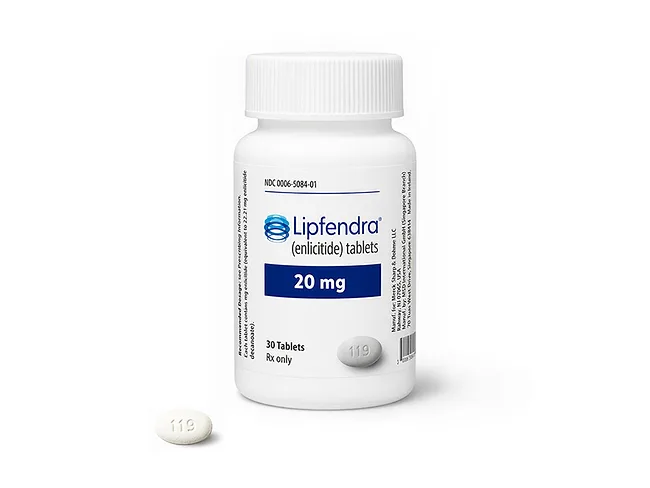
Branded Lipfendra, Merck & Co. Inc.’s oral PCSK9 inhibitor enlicitide, part of the FDA Commissioner’s National Priority Voucher pilot program, won U.S. approval to reduce low-density lipoprotein cholesterol (LDL-C) in adults with hypercholesterolemia, including heterozygous familial hypercholesterolemia.
Two med-tech companies agreed to settlements with the U.S. government to resolve False Claims Act (FCA) allegations that they submitted Medicare claims for medically unnecessary testing and devices.
Pulmonary arterial hypertension (PAH) is a fatal condition characterized by abnormal vascular remodeling from excessive proliferation of pulmonary arterial smooth muscle cells (PASMCs). Recent evidence has suggested that structural maintenance of chromosomes 4 (SMC4) is upregulated in pulmonary tissue from patients with PAH and may be a potential target for therapy, since it has been tied to modulating pathological cell proliferation.
Atrium Therapeutics Inc. has obtained IND clearance from the FDA for ATR-1072 for the treatment of protein kinase AMP-activated non-catalytic subunit γ2 (PRKAG2) syndrome.
 RSS
RSS