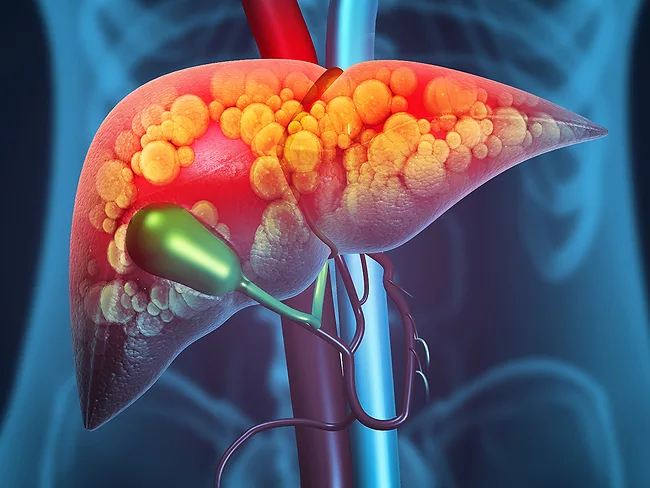
D&D Pharmatech Inc. announced May 27 positive top-line tissue biopsy results of zabopegdutide (DD-01) from a 48-week phase II study of metabolic dysfunction-associated steatohepatitis (MASH), pushing company shares up 30% on the day.
Protuoso Biosciences has announced the close of an oversubscribed $9.5 million seed financing round, the proceeds of which will be used to advance its multifunctional protein engineering platform and broad pipeline across cardiometabolic, oncology and autoimmune diseases.
D&D Pharmatech Inc. announced May 27 positive top-line tissue biopsy results of zabopegdutide (DD-01) from a 48-week phase II study of metabolic dysfunction-associated steatohepatitis (MASH), pushing company shares up 30% on the day.
Circio Holding ASA and Aavigen GmbH have entered a research collaboration focused on developing circVec-enhanced AAV vectors engineered for targeted, low-dose gene therapies for heart diseases.
As the most active biopharma acquirer of 2026, Eli Lilly and Co. offered to buy three vaccine companies for up to $3.8 billion combined, while it simultaneously released positive early clinical results of a gene editing medicine brought into the fold last year through its buyout of Verve Therapeutics Inc.
Scribe Therapeutics Inc. has obtained clearance from Australia’s Therapeutic Goods Administration (TGA) to initiate a first-in-human study of STX-1150 for the treatment of hypercholesterolemia, a major driver of atherosclerotic cardiovascular disease (ASCVD). The phase I study will enroll adults with elevated LDL-C at increased cardiovascular risk at sites in Australia and New Zealand.
Nanjing Reju Therapeutics Inc. has reported new nicotinamide phosphoribosyltransferase (NAmPRTase; Nampt) activators potentially useful for the treatment of atherosclerosis, Duchenne muscular dystrophy, heart failure, multiple sclerosis, obesity, cardiomyopathy, Alzheimer’s and Parkinson’s disease, among others.
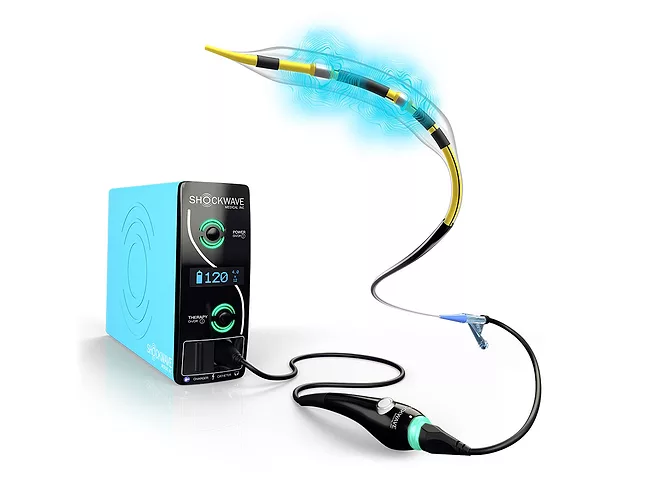
As interests and competition in the intravascular lithotripsy (IVL) market heats up, Shockwave Medical Inc. said it believes that its latest coronary IVL catheter, the C2 Aero, and other projects in the pipeline, will help it to maintain its leadership in calcium modification.
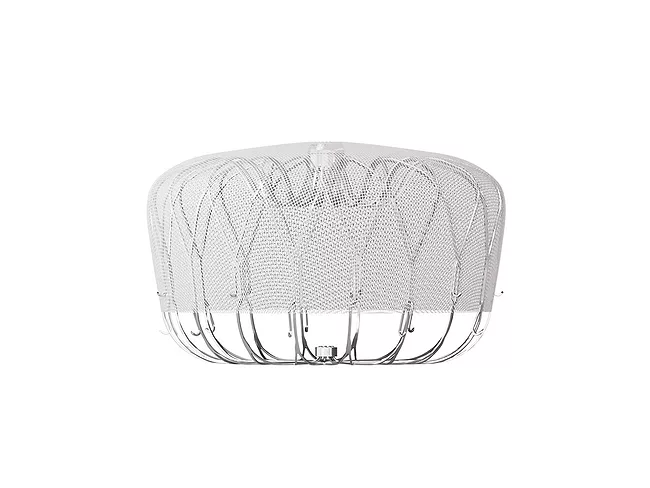
A subgroup analysis of data from Boston Scientific Corp.’s Champion-AF trial, which looked at the outcomes for patients with atrial fibrillation treated with a left atrial appendage closure (LAAC) device compared to direct oral anticoagulants (DOACs), found that the efficacy and safety of LAAC compared to DOAC are not affected by age. The data were presented at the EuroPCR conference in Paris.
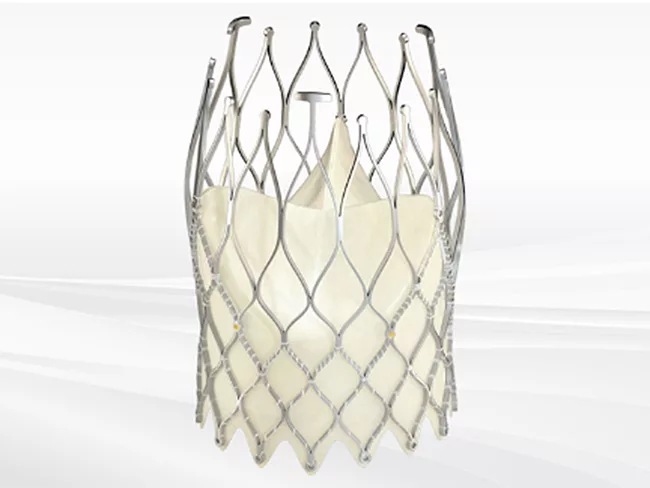
Data from the All Women clinical trial, which looked at the Allegra transcatheter aortic valve replacement (TAVR) system compared to balloon-expandable valves (BEV) in women with aortic stenosis, showed that Allegra delivered lower mean gradients and less prosthesis-patient mismatch than BEVs. The data presented at the EuroPCR conference in Paris was the first randomized head-to-head comparison of different TAVR platforms conducted exclusively in women.
 RSS
RSS