Apolin Bio Ltd. and Shanghai Viva Dancheng Entrepreneurship Incubator Management Ltd. have detailed polycyclic compounds acting as apolipoprotein A (ApoA; LPA)/apolipoprotein B-100 (APOB) interaction inhibitors that are potentially useful for the treatment of cardiovascular disorders.
Alebund Pharmaceuticals (Jiangsu) Ltd. was the third Chinese biotech company to debut in Hong Kong this month, with June IPO proceeds from Alebund, Longbio Pharma Co. Ltd. and Shaanxi Micot Pharmaceutical Technology Co. Ltd. totaling about HK$4.7 billion (US$600 million).
FAM3D is a protein mainly expressed in the gastrointestinal tract, but also detectable in vascular endothelial cells. It is known to worsen intestinal inflammation by recruiting neutrophils, but its role in atherosclerosis is not well understood.
Shanghai Zheye Biotechnology LLC has discovered new phenylpropionic acid derivatives acting as apolipoprotein A (ApoA; LPA)/apolipoprotein B-100 (APOB) interaction inhibitors potentially useful for the treatment of stroke, atherosclerosis, thrombosis, coronary heart disease and aortic valve stenosis.
Bayer AG has patented new potassium channel Kir3.4 (GIRK4; KCNJ5) and/or Kir3.1/3.4 (GIRK1/4; KCNJ3/5) blockers potentially useful for the treatment of heart failure, arrhythmia, primary hyperaldosteronism and hypertension.
Alebund Pharmaceuticals (Jiangsu) Ltd. was the third Chinese biotech company to debut in Hong Kong this month, with June IPO proceeds from Alebund, Longbio Pharma Co. Ltd. and Shaanxi Micot Pharmaceutical Technology Co. Ltd. totaling about HK$4.7 billion (US$600 million).
Following an initial rebuff in February 2026, the EMA’s Committee for Medicinal Products for Human Use (CHMP) is recommending approval of Acadia Pharmaceuticals Inc.’s Daybu (trofinetide) for treating neurobehavioral symptoms of Rett syndrome, after it took another look at the file.
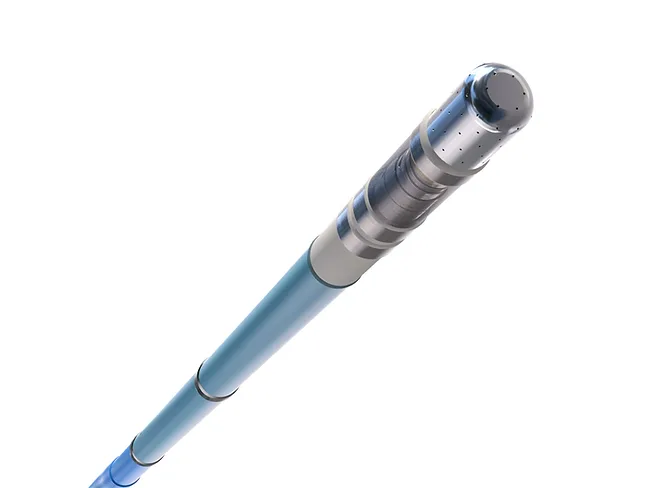
Johnson & Johnson this week launched its dual-energy Thermocool Smarttouch SF platform in Europe bringing another option to physicians looking to enhance their electrophysiology procedures. The system combines radiofrequency (RF) and pulsed field ablation in one device to treat atrial fibrillation, entering what is becoming an increasingly crowded market for cardiac ablation technology.
Fortvita Biologics Inc. and Innovent Biologics (Suzhou) Co. Ltd. have identified new calcitonin receptor (CALCR; CT-R) and amylin receptor dual agonists potentially useful for the treatment of metabolic dysfunction-associated steatohepatitis (MASH; NASH), overweight, dyslipidemia, cognitive and cardiovascular disorders.
Merck KGaA has entered into a strategic research-stage collaboration with Saturnus Bio, a biotech founded by Versant Ventures, to establish a foundational portfolio in the field of rare genetic cardiomyopathies.

 RSS
RSS