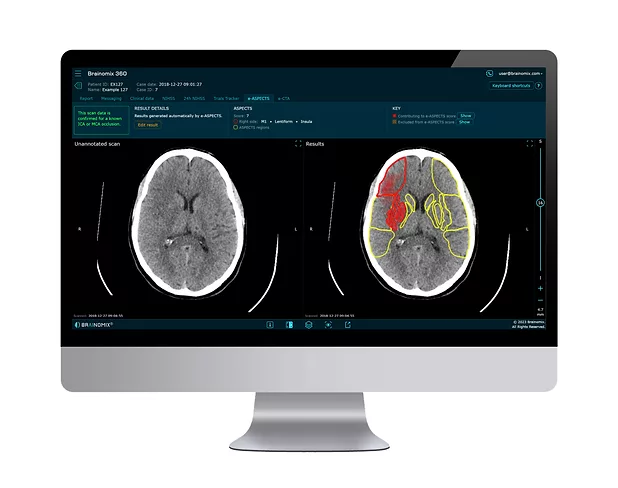
Brainomix Ltd. raised £14 million ($18 million) in a series C financing round to expand its AI-powered imaging solution, Brainomix 360 Stroke, into the U.S. market. Funds will also go towards advancing the Brainomix 360 E-Lung, which can accurately predict the progression of lung fibrosis. “This series C round is a vital fundraise for us,” Michalis Papadakis, CEO and co-founder of Brainomix, told BioWorld. “We are in a growth stage where we want to bring this next generation of stroke AI into the U.S. market.”
New Zealand med-tech startup Avasa Ltd. has developed an arterial coupler that could save surgeons 30 minutes in the operating room to better connect arteries.
Atherosclerosis is a chronic inflammatory condition and a known risk for the development of cardiovascular diseases. In animal models of atherosclerosis, macrophage pyroptosis is linked to the development and instability of atherosclerotic plaques, where gasdermin-D (GSDMD) plays a crucial role.
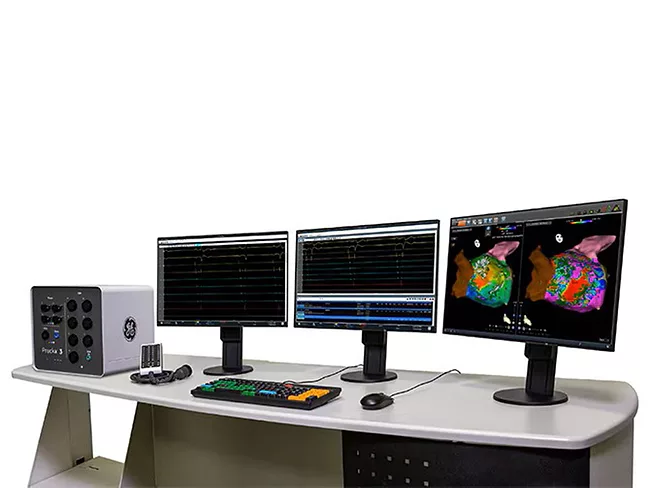
With its Altix AI.i launch, GE Healthcare Technologies Inc. aims to upgrade the user experience and efficiency of its catheterization lab and electrophysiology procedures. The new capabilities apply to the Cardiolab, Mac-Lab and Combolab products. The Alitx Ai.i software upgrades received U.S. FDA clearance in December. CE mark is pending.
Maxion Therapeutics Ltd. has raised $72 million (£58 million) in a series A financing to support its development of antibody-based Knotbody drugs for ion channel- and G protein-coupled receptor (GPCR)-driven diseases.
Scientists at Charles University and Mayo Foundation for Medical Education and Research (MFMER) have synthesized DNA topoisomerase II β inhibitors reported to be useful for the treatment of cardiotoxicity.
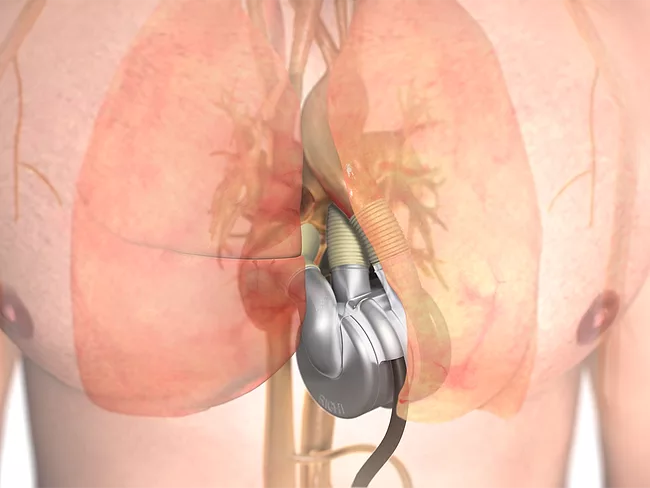
An Australian man in his 40s with severe heart failure was implanted with a Bivacor Inc. total artificial heart (TAH) and has been discharged from the hospital. He remained at home with the artificial heart for 100 days until he received a transplant earlier this week.
In what it says is the biggest obesity deal to date, Zealand Pharma A/S has signed up Roche AG to a potential $5.3 billion global collaboration and license agreement to develop petrelintide, an amylin analog that is currently in phase IIb development. The two companies will co-develop and co-commercialize petrelintide and combination products, including a fixed-dose combination of petrelintide and CT-388, Roche’s dual GLP-1/GIP receptor agonist.
Ischemic stroke is a fatal condition caused by an arterial embolism that blocks the blood flow through the cerebral artery, frequently being a cause of mortality and disability. Fibroblast growth factor 21 (FGF21) is likely the only member of the FGF family that may cross the blood-brain barrier. Among its functions, inflammatory regulation, energy metabolism, vascular homeostasis, oxidative stress and tissue repair can be highlighted.
 RSS
RSS