CF Pharmtech Guangzhou Ltd. and CF Pharmtech Hongkong Ltd. have identified prodrugs of treprostinil reported to be useful for the treatment of pulmonary hypertension and pulmonary fibrosis.
Shares of Tectonic Therapeutic Inc. (NASDAQ:TECX) closed Jan. 30 at $54.84, up $29.12, or 113%, on what Leerink analyst David Risinger called in his report “the most impressive hemodynamic results we have seen” in heart failure with preserved ejection fraction. Watertown, Mass.-based Tectonic unveiled positive interim data from the phase Ib acute hemodynamic trial with lead candidate TX-45, a long-acting, Fc-relaxin fusion protein.
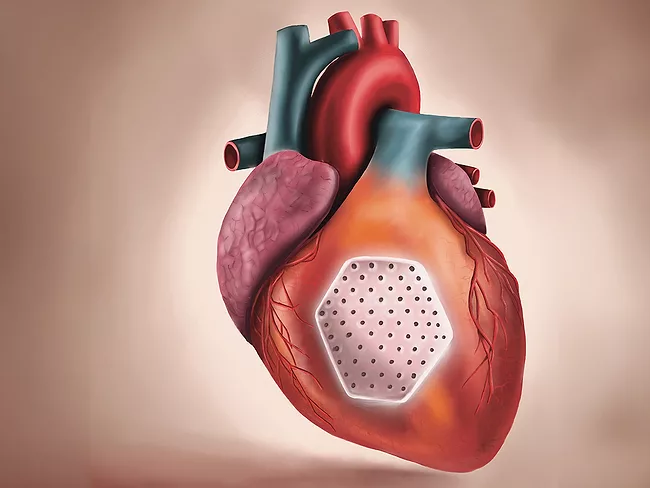
Implanted patches of iPS cell-derived heart muscle integrated with heart tissue in a primate model of heart failure, and in patients being treated in a clinical trial, marks progress toward a potential option for patients with advanced heart failure.
Novartis AG has synthesized new sodium channel protein type 5 subunit alpha (SCN5A; Nav1.5) blockers reported to be useful for the treatment of heart failure, long QT syndrome, hypertrophic cardiomyopathy, angina pectoris, myotonia, ventricular tachycardia, atrial and ventricular fibrillation, among others.
Myocardial fibrosis is a key process for heart failure development that may lead to severe phenotypes, including cardiac arrest or sudden death. Vasorin (VASN) is a protein with high expression in the cardiovascular system and its upregulation had been found to protect smooth muscle cells from calcification.
Implanted patches of iPS-derived heart muscle integrated with heart tissue in a primate model of heart failure, and in patients being treated in a clinical trial, marks progress toward a potential option for patients with advanced heart failure.
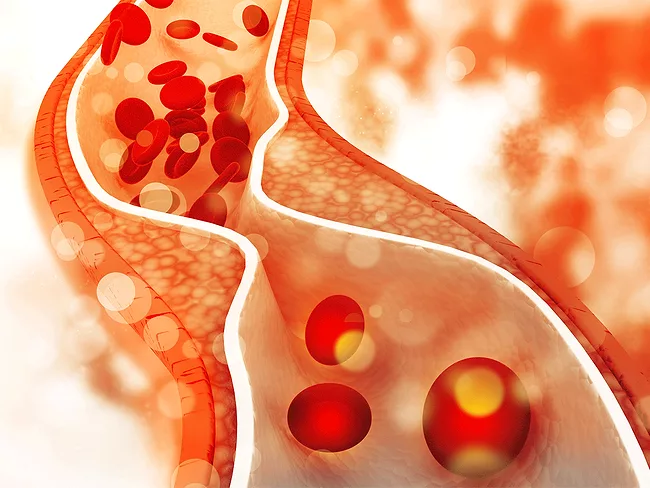
Researchers from Fundación Jiménez Díaz and affiliated organizations have published data from a study that aimed to identify new genes involved in the progression of atherosclerosis, a chronic multifactorial inflammatory disease characterized by the accumulation of lipids and leukocytes within the arterial wall.
Australia’s Therapeutic Goods Administration (TGA) has approved CSL Ltd.’s Andembry (garadacimab) for preventing recurrent hereditary angioedema attacks, marking the first global approval for the drug that was discovered and developed in Australia by CSL scientists.
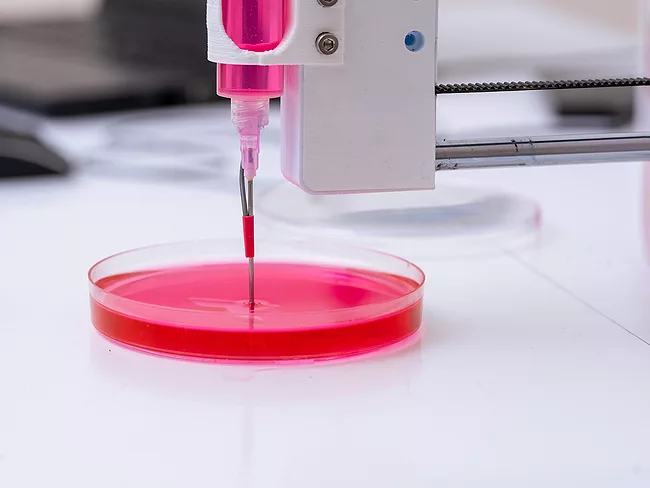
A new bioprinting platform to create tissues that can change shape as a result of forces generated by the cells, similar to what happens naturally during organ development, was developed by researchers from the University of Galway, Ireland.
Innovo Therapeutics Inc. has patented new pyrazole derivatives acting as caspase-3 inhibitors and potentially useful for the treatment of pulmonary hypertension.

 RSS
RSS