Takeda Pharmaceutical Co. Ltd.’s oral TYK2 inhibitor zasocitinib (TAK-279) demonstrated statistical superiority over Bristol Myers Squibb Co.’s first-in-class Sotyktu (deucravacitinib) in a top-line phase III Latitude Atlas readout of moderate to severe plaque psoriasis.
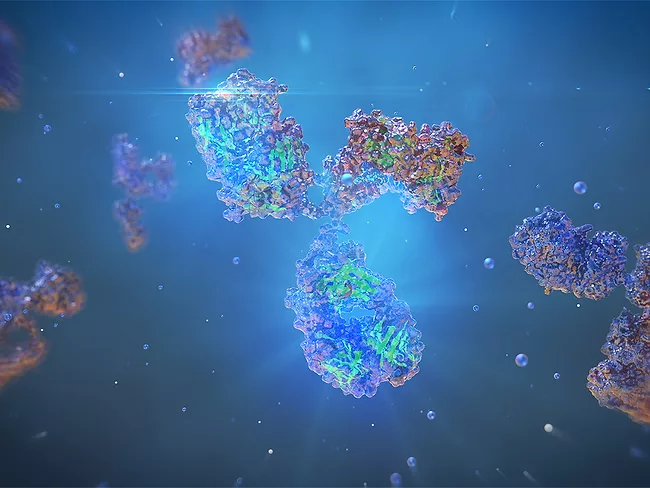
Avalo Therapeutics Inc. is advancing AVTX-010, a long-acting next-generation anti-IL-1β monoclonal antibody with potential for hidradenitis suppurativa and additional inflammatory disorders
Takeda Pharmaceutical Co. Ltd.’s oral TYK2 inhibitor zasocitinib (TAK-279) demonstrated statistical superiority over Bristol Myers Squibb Co.’s first-in-class Sotyktu (deucravacitinib) in a top-line phase III Latitude Atlas readout of moderate to severe plaque psoriasis.
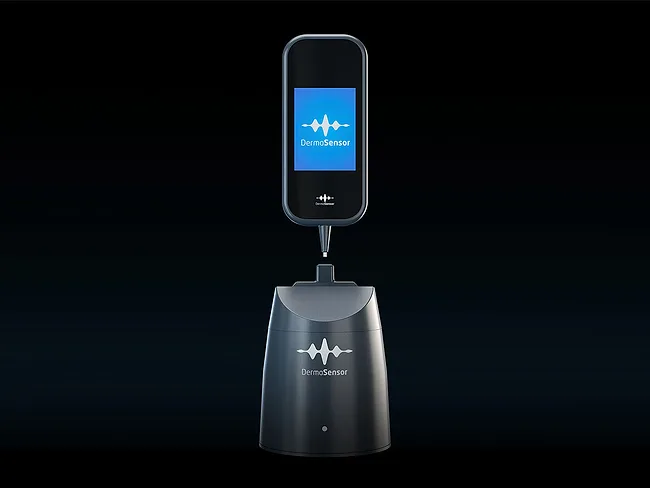
Dermasensor Inc. received CE mark approval for its handheld skin cancer detection device using spectroscopy and AI to test suspicious skin lesions for cancer in real time at the point of care. The device is designed to help qualified healthcare professionals decide whether suspicious skin lesions need further investigation. With skin cancer rates rising, the Dermasensor joins several other AI-based tools entering the European market to help with the analysis of suspicious lesions.
Kymera Therapeutics has developed KT-579, a potent and selective IRF5 degrader as a novel approach for treating systemic lupus erythematosus (SLE) and Sjögren disease.
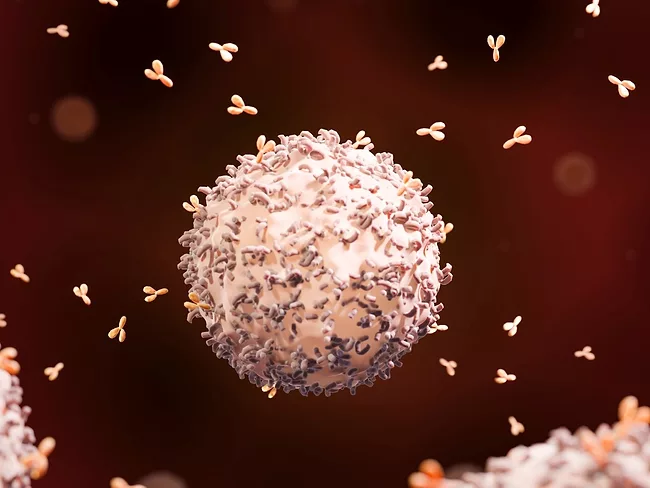
Systemic lupus erythematosus (SLE) is a chronic autoimmune disorder characterized by dysregulation in humoral immunity and sustained activation of B cells and autoantibody release, where BAFF (B-cell activating factor) and APRIL (a proliferation-inducing ligand) play crucial roles in B-cell differentiation and survival. Genescience Pharmaceutical Co. Ltd. has released data for its dual BAFF and APRIL inhibitor Gensci-136 for the treatment of SLE.
Turn Therapeutics Inc. made public strongly positive findings from an interim analysis that involves the first 50 subjects in the ongoing phase II atopic dermatitis (AD) trial with IL-36 inhibitor GX-03.
Apogee Therapeutics Inc. loaded up on what could total as much as $1.3 billion in financial fuel from Blackstone Life Sciences funds that will be used to propel zumilokibart (zumi), which yielded positive phase II results in atopic dermatitis (AD). A phase III experiment with the anti-IL-13 antibody is planned for the second half of this year, pending talks with regulators.
Cell therapy based on fibroblasts has shown promise in the treatment of psoriasis due to immune modulation capability and strong expansion when cultured. Work at Fibrobiologics Inc. has focused on the impact of culture format and donors of human dermal fibroblasts (HDFs) on the therapeutic efficacy and immune responses in murine models of psoriasis.
Recludix Pharma Inc. recently presented data on their new STAT1/3 inhibitors REX-6553 and REX-6547 for treating dermatological inflammatory skin diseases.
 RSS
RSS