The first international consensus framework for the use of continuous ketone monitoring in people with diabetes, published in The Lancet Diabetes & Endocrinology, calls development and use of ketone sensors for the prevention of diabetic ketoacidosis “transformational.” Several companies in the diabetes technology market have recently reported that they are developing dual glucose-ketone sensors, though none have gained U.S. FDA approval yet.
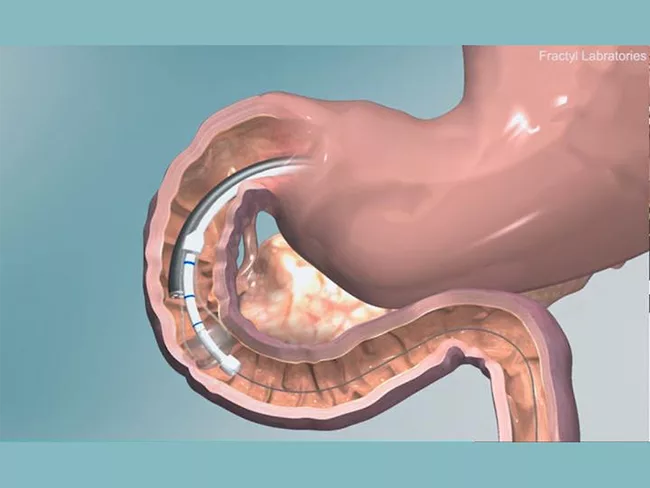
Glucagon-like peptide-1 (GLP-1) receptor agonists clearly help patients shed pounds, but many regain all - or more - of the weight once they discontinue the medications. Fractyl Health Inc. could offer an enduring solution with its Revita procedure. Six-month results from its open-label REVEAL-1 cohort of individuals with obesity who lost 15% or more of their total body weight on a GLP-1 therapy maintained that loss after discontinuing the drugs and undergoing the Revita procedure.
The U.S. Centers for Medicare & Medicaid Services has posted the home health final rule for calendar year 2026 and has established a framework for competitive bidding for products such as continuous glucose monitors, a move that is struggling to find support among stakeholders.
The Office of Inspector General issued a report stating that the Medicare program could save “tens of millions of dollars” in a single year on continuous glucose monitors and associated supplies if the Centers for Medicare & Medicaid Services acted to apply price pressure on suppliers.
Kakao Healthcare Corp. plans to secure ₩100 billion (US$68 million) through two investment deals with Cha Biomedical Group and outside investors by early next year. The transactions, expected to close by the first quarter of 2026, will make Cha the controlling shareholder of Kakao Healthcare with a 43.08% stake. Kakao Corp., the parent company, will hold 29.99%, and external investors will own 26.93%.
The U.S. Centers for Medicare & Medicaid Services ended the Treatment Choices model under the end stage renal disease payment payment system for several reasons, including its failure to deliver meaningful savings.
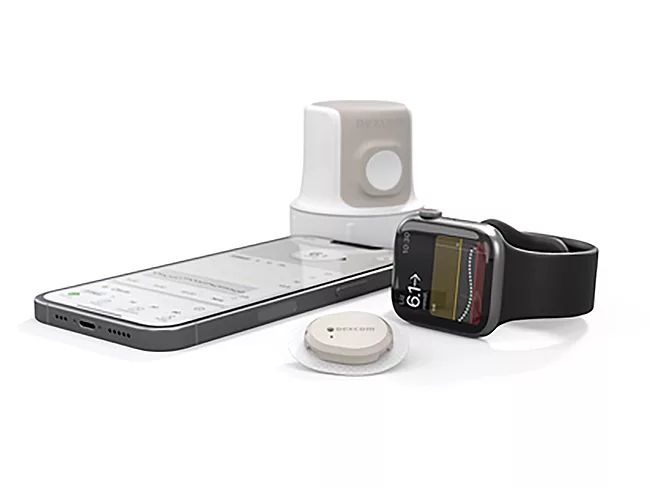
Dexcom Inc. received U.S. FDA clearance for its Smart Basal CGM-integrated basal insulin dosing optimizer. Designed for adults with type 2 diabetes using glargine U-100 long-acting insulin therapy, Smart Basal uses data from Dexcom’s G7 15 Day sensor with doses logged by the user to personalize recommendations and adjust long-acting insulin doses, with direction from the patient’s health care provider.
Dexcom Inc. executives may have thought a $30 million beat of the consensus estimates for third quarter revenue and 20% year-over-year organic growth provided a treat to shareholders, but investors seemed to feel tricked instead. The continuous glucose monitoring powerhouse saw its share price drop a frightening 17% in the first two hours of trading on Oct. 31, pushing it down by one-third from its peak of $89.53 in late July. Investors appear to have been spooked by the company’s conservative projections for 2026, following issues with its G7 sensor, which management said have been largely resolved.
Adocia SA is looking to further apply its Biochaperone formulation technology to metabolic disorders, Olivier Soula, Adocia co-founder and CEO told BioWorld, the firmhaving recently gained positive top-line phase III results of Tonghua Dongbao Pharmaceutical Co. Ltd.’s THDB-0206 injection (Biochaperone Lispro) in diabetes patients in China.
Adocia SA is looking to further apply its Biochaperone formulation technology to metabolic disorders, Olivier Soula, Adocia co-founder and CEO told BioWorld, the firmhaving recently gained positive top-line phase III results of Tonghua Dongbao Pharmaceutical Co. Ltd.’s THDB-0206 injection (Biochaperone Lispro) in diabetes patients in China.
 RSS
RSS