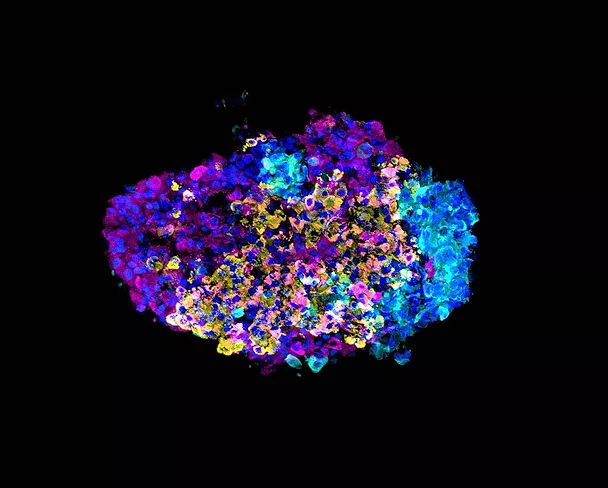
A new strategy aims to improve gene therapy for Pompe disease by optimizing both the genetic component that restores the function of a deficient lysosomal enzyme and the vector that delivers it to the target tissue while avoiding the liver. The findings suggest that combining an optimized transgene with a targeted capsid could significantly enhance the effectiveness of gene therapy for Pompe disease.
Korro Bio Inc. has announced the selection of KRRO-111 as a development candidate for the treatment of alpha-1 antitrypsin deficiency (AATD), a genetic disorder most commonly caused by a single missense mutation in SERPINA1.
Type 2 diabetes is marked by insulin resistance coupled with insufficient insulin secretion due to early β-cell dysfunction and progressive loss of β-cell mass. Pdx1 and MafA, critical for maintaining β-cell function, are progressively reduced under metabolic stress and in patients, driving disease progression. Researchers at the University of Pittsburgh have reported efficacy data demonstrating successful pancreatic delivery of GPX-002, an AAV-Pdx1/MafA construct, in HFD mice.
Harbour Biomed has released preclinical data for LET-003, a next-generation ACVR2A/2B-targeted monoclonal antibody with potential for the treatment of obesity. Activin receptors ACVR2A and ACVR2B play critical roles in regulating muscle-fat metabolic homeostasis.
Pfizer Inc. has synthesized substituted fused heteroaryl lactam compounds acting as dual calcitonin (CALCR; CT-R)/amylin receptor agonists potentially useful for the treatment of obesity and type 2 diabetes.
Fractyl Health Inc. has received clinical trial application authorization in the Netherlands to initiate a first-in-human phase I/II study of RJVA-001, the first clinical candidate from the company’s Rejuva Smart GLP-1 gene therapy platform.
Work at Zhuhai United Laboratories Co. Ltd. has led to the identification of new apelin receptor (APLNR) agonists reported to be useful for the treatment of diabetes, heart failure, muscle atrophy, chronic kidney disease, pulmonary hypertension, amyotrophic lateral sclerosis, atherosclerosis and Alzheimer’s disease, among others.
Researchers from Renbio Inc. and Louisiana State University investigated the delivery of plasmid DNA encoding new glucagon-like peptide-1(GLP-1)-based biologics with MYO (Make Your Own) technology as a new therapeutic strategy. This approach ensures the continuous production of GLP-1-based biologics for an extended period, overcoming the need for weekly dosing.
A new molecule combines the action of two incretins, GLP-1 and GIP, hormones that regulate glucose and appetite, with lanifibranor, a triple agonist of peroxisome proliferator activated receptors (PPAR α/γ/δ). GLP-1-GIP-Lani enables targeted delivery of the PPAR agonist to cells that express incretin receptors, enhancing weight loss, improving glucose control and reducing inflammation in obese mice. In these models, it surpassed the effects of GLP-1 receptor agonists such as semaglutide and GLP-1-GIP co-agonists such as tirzepatide in reducing body weight, improving glycemic control and enhancing metabolic outcomes during active treatment.
 RSS
RSS