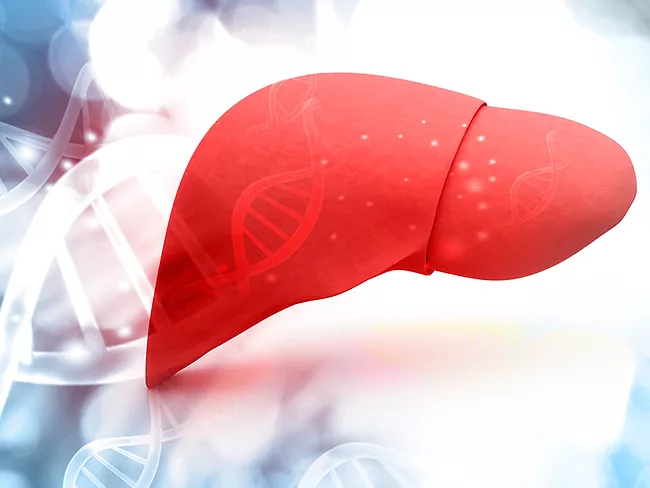
Astrazeneca AB has divulged 17β-hydroxysteroid dehydrogenase 13 (HSD17B13; 17β-HSD13) inhibitors reported to be useful for the treatment of alcoholic liver disease, liver fibrosis, cirrhosis, hepatic steatosis, liver inflammation, hepatitis C virus (HCV) infection and liver cancer (hepatocellular carcinoma).
Several 5-HT4 receptor (5-HT4R) agonists are approved for treating chronic idiopathic constipation (CIC) by stimulating gastrointestinal (GI) motility. Traditional 5-HT4R agonists act systemically, causing central nervous and cardiovascular side effects. In contrast, gut-restricted agonists like prucalopride target the GI tract, reducing these risks.
Researchers have identified KpsM as a virulence factor in Escherichia coli that was responsible for liver damage in alcohol-associated hepatitis (AH). A small-molecule inhibitor of KpsM reduced liver damage in animal models of AH.
Tumor necrosis factor-α (TNF-α) is a key cytokine involved in the pathogenesis of ulcerative colitis (UC), a chronic inflammatory bowel disease, and has emerged as a promising therapeutic target.
N4 Pharma plc has successfully completed the first in vivo study of orally delivered Nuvec using its lead program N4 101, an orally administered anti-inflammatory treatment for inflammatory bowel disease (IBD).
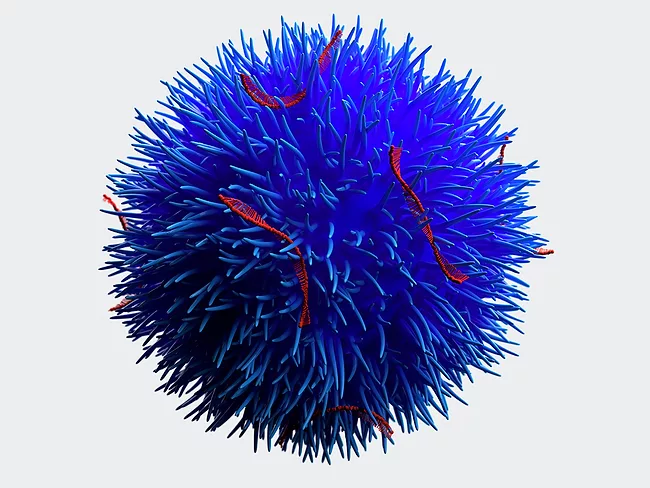
Metabolic disorders such as argininosuccinic and glutaric aciduria, methylmalonic acidemia, homocystinuria or primary hyperoxaluria require specific diets to prevent the accumulation of substances that the body can’t process. Current treatments mainly focus on managing symptoms and metabolite levels, and do not always prevent the progressive deterioration caused by mutations associated with the condition. However, emerging gene therapies hold promise for transforming these diseases by targeting their underlying causes, as presented in the oral abstract session, “Gene and cell therapy for metabolic diseases” of the ongoing 28th Annual Meeting of the American Society of Gene & Cell Therapy (ASGCT) meeting in New Orleans.
Kymera Therapeutics Inc. has announced a new oral IRF5 degrader program with potential to treat immuno-inflammatory diseases, such as lupus, Sjögren’s syndrome, rheumatoid arthritis and inflammatory bowel disease.
Beijing QL Biopharmaceutical Co. Ltd. has presented preclinical data on their GLP-1/GDF15 dual agonist QL-1005 for the potential treatment of inflammation and fibrosis in murine models of metabolic dysfunction-associated steatohepatitis (MASH) and chemically induced liver fibrosis.
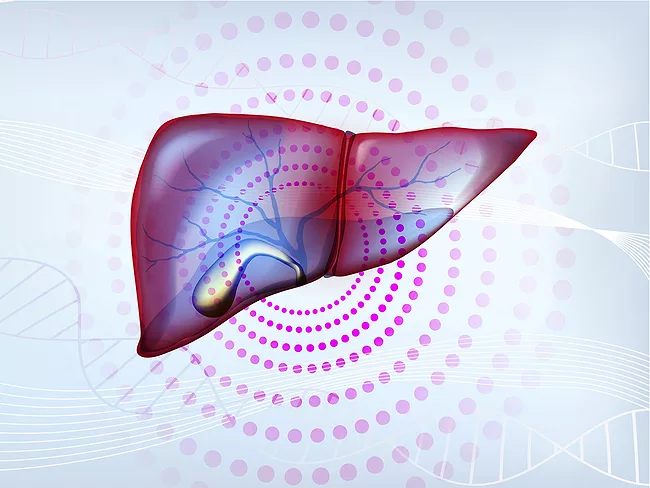
Immunity is not a function most people particularly associate with the liver. But because of its connection to the gut, the liver is exposed to bacterial metabolites as few other organs are. And when either the liver or the gut is not functioning well, it can adversely affect immunity as well. The liver is connected to the gut via both the biliary system and the portal vein. Those two conduits allow metabolites from the gut microbiome to influence what’s going on in the liver. Both liver and gut damage can affect this communication for the worse. And surprisingly, one of the consequences is immune dysfunction.

 RSS
RSS