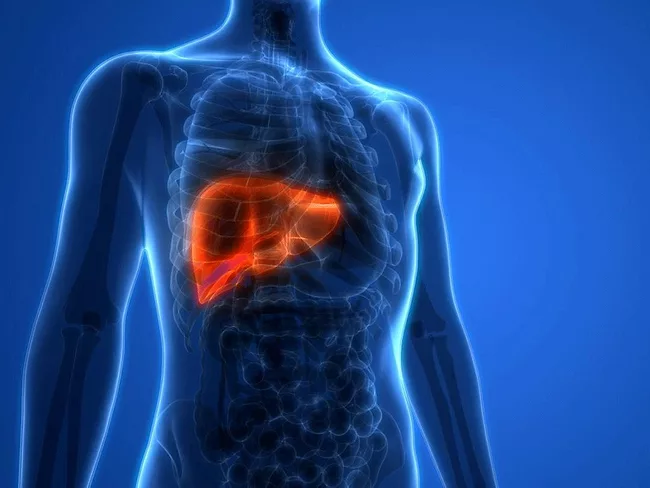
Antibody Therapeutics Inc. has disclosed integrin receptor antagonists reported to be useful for the treatment of pulmonary fibrosis, renal fibrosis and hepatic fibrosis.
In the preclinical setting, inhibitors of histone deacetylase 6 (HDAC6) have proven effective at reducing liver inflammation through modulation of the immune response.
The Feinstein Institutes for Medical Research has been awarded a 5-year, $2.9 million grant from the National Institutes of Health (NIH) to investigate the potential of human ghrelin as a medical countermeasure against radiation-induced gastrointestinal syndrome.
The largest analysis to date of patients taking GLP-1 receptor agonists (GLP-1RAs) has investigated their effects on nearly 175 diseases, and found that compared to three other classes of diabetes medications, individuals with a prescription for GLP-1RAs had a reduced risk of 42 diseases, and an increased risk of 19. The findings, which were published Jan. 20, 2025, in Nature Medicine, provide a comprehensive overview of GLP-1RAs’ effects.
Interline Therapeutics Inc. has synthesized receptor-interacting serine/threonine-protein kinase 2 (RIPK2; RIP-2) inhibitors reported to be useful for the treatment of inflammatory bowel disease (IBD).
Centennial Therapeutics LLC has divulged ketohexokinase (KHK) inhibitors reported to be useful for the treatment of nonalcoholic or metabolic dysfunction-associated steatohepatitis (NASH/MASH).
Amgen Inc. has reported new 5,6- and 6,6-fused bicyclic alcohols and ethers acting as 15-hydroxyprostaglandin dehydrogenase (15-PGDH) inhibitors. They are reported to be useful for the treatment of gastrointestinal disorders.

 RSS
RSS