Werewolf Therapeutics Inc. has expanded its pipeline with the addition of a novel IL-10 Indukine development candidate, WTX-921, for inflammatory bowel disease (IBD) and potentially other inflammatory diseases.
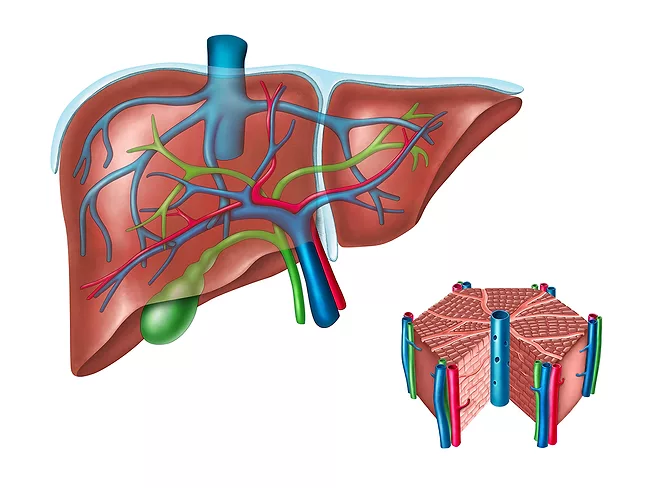
Liver diseases are responsible for around two million deaths every year. Among them, hepatocellular carcinoma (HCC), particularly at late stages, presents limited therapeutic options and a dismal survival rate.
Suzhou Ansailong Pharmaceutical Technology Co Ltd. has identified mitochondrial ATP-dependent Clp protease proteolytic subunit (ClpP) activators reported to be useful for the treatment of cancer, AIDS, nonalcoholic fatty liver disease (metabolic dysfunction-associated steatotic liver disease [MASLD]) and neurological disorders.
Rectify Pharmaceuticals Inc. has nominated the positive functional modulator (PFM) RTY-694 as a development candidate for primary sclerosing cholangitis (PSC). As the lead PFM in Rectify’s hepatobiliary program, RTY-694 is now advancing to first-in-human trials for PSC.
Researchers from Phoenixlab, The Scripps Research Institute and affiliated organizations presented the discovery of a novel bivalent protease-activated receptor PAR1- and PAR3-derived peptide, named biparetide, being developed for the treatment of inflammatory bowel disease (IBD).
Clostridioides difficile, a spore-forming and anaerobic gram-positive bacterium, causes a wide-spectrum diarrheal disease that can ultimately lead to life-threatening conditions such as toxic megacolon or colonic perforation.
Paragon Therapeutics Inc. and Spyre Therapeutics Inc. jointly presented preclinical data for the novel extended half-life humanized anti-IL-23 monoclonal antibody (MAb), SPY-003, being developed for the treatment of inflammatory bowel disease (IBD).
Researchers from Xencor Inc. presented the discovery and preclinical characterization of XmAb-942, a novel high-affinity anti-TL1A monoclonal antibody (MAb) being developed for the treatment of inflammatory bowel disease (IBD).
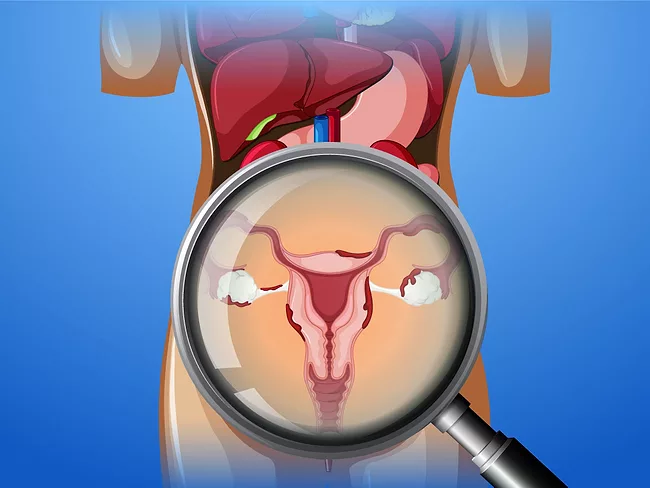
According to World Health Organization data, endometriosis affects about 10% of reproductive-age females globally. That already makes endometriosis a wildly underresearched and underfunded disease in relation to its prevalence. Plus, Rama Kommagani thinks even 10% is an underestimation. “Diagnosis is very underreported, particularly in low- and middle-income countries,” Kommagani, who is an associate professor of pathology at Baylor College of Medicine, told BioWorld.
Recent decades have brought advances in pharmacological therapies for treating inflammatory bowel disease (IBD), but their sustained efficacy is still not enough, and developing novel therapies is an unmet medical need for this condition.
 RSS
RSS