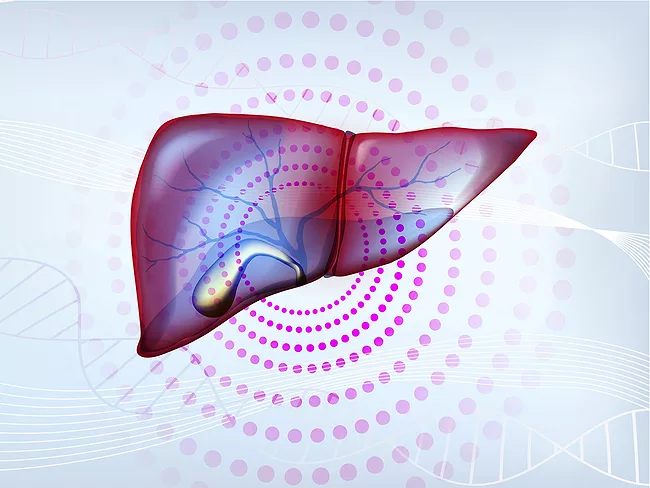
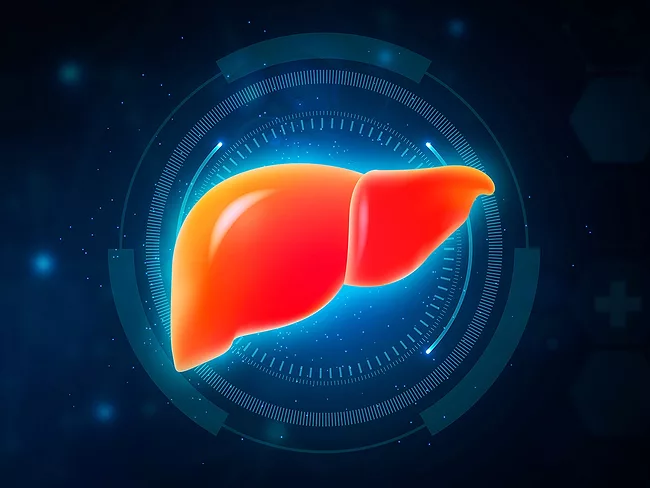
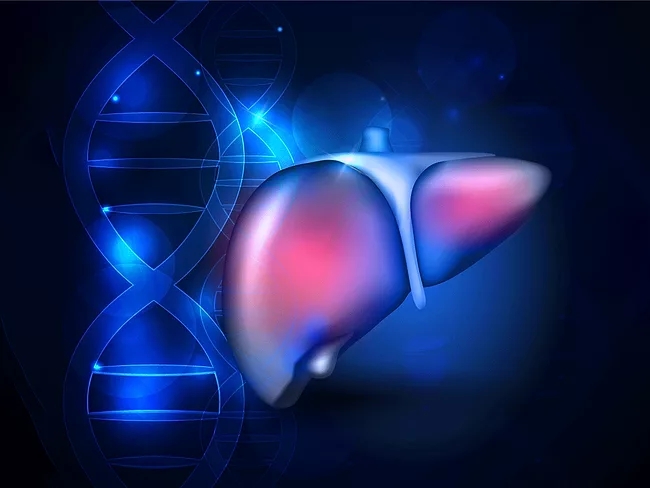
The activation of hepatic stellate cells (HSCs) is a key process in the pathogenesis of liver fibrosis, but the molecular mechanisms behind it are not fully understood. By combining the analysis of differentially expressed gene screening of HSC transcriptome and weighted gene coexpression network analysis of liver tissue, researchers searched for transcription factors involved in liver fibrosis.
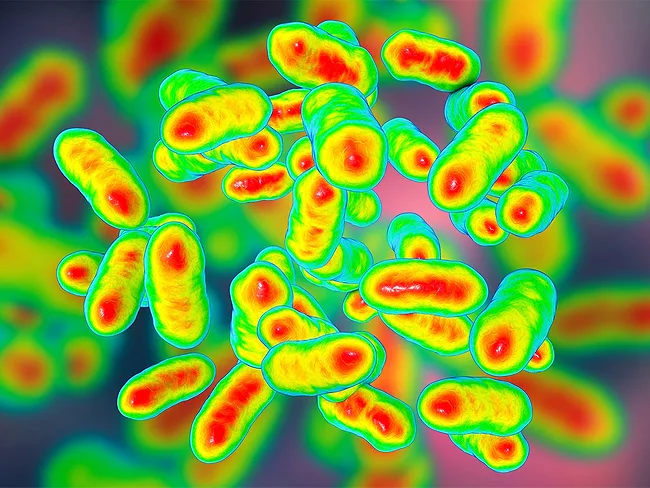
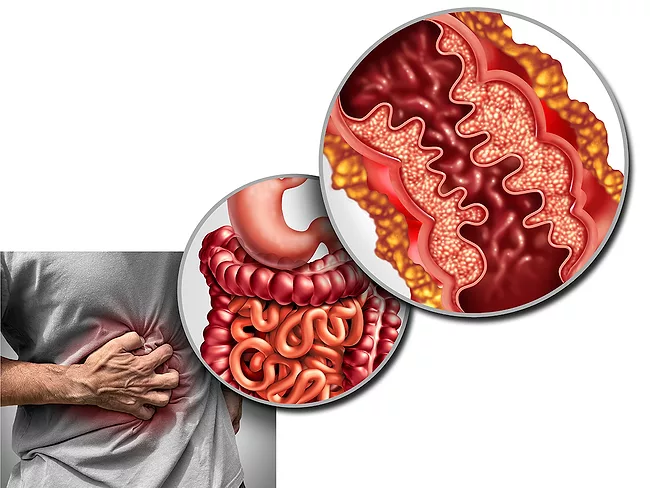
The gastrointestinal tract could be key to developing new drugs to combat resistant bacteria. Computational analysis of the human microbiome has revealed a new class of peptides with antimicrobial potential that, once synthesized, inhibited the growth of several microorganisms in vitro and in vivo.
The nucleotide-binding oligomerization domain-like receptor pyrin domain containing 3 (NLRP3) inflammasome is an intracellular multiprotein complex that may be activated by exogenous or endogenous signals and is involved in the pathogenesis of several inflammatory disorders.
Pregnane X receptor (PXR) is a transcription factor that plays a crucial role in maintaining bile acid homeostasis by regulating major metabolizing enzymes and transporters.
Hepatic ischemia-reperfusion injury (HIRI) is a common leading cause of liver injury and is associated with several clinical conditions, including liver transplantation, liver resection surgeries and cancer, among others.
Liver fibrosis still lacks effective therapy; hepatic stellate cells (HSCs) are the primary fibrogenic cell type activated during liver injury. To date, almost half of the drugs used for liver treatment are natural product derivatives.
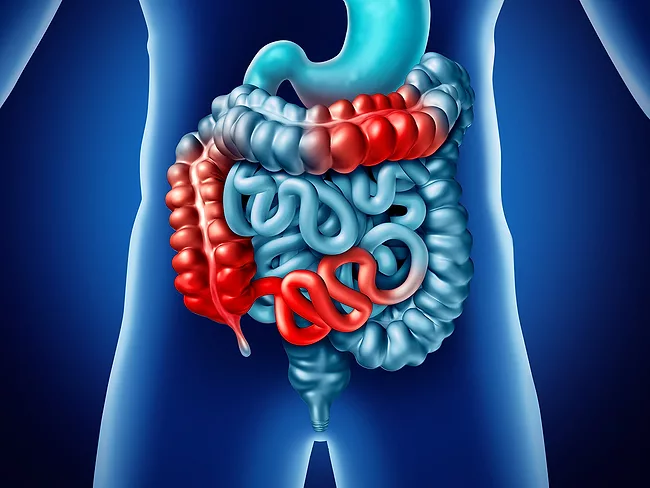
Tr1x Inc. has announced that the FDA has cleared its IND application for its engineered Tr1 Treg cell therapy TRX-103 for treatment-refractory Crohn’s disease.
Researchers in Japan were able to transfer genes from jellyfish into common fruit flies and discovered that the transferred gene suppressed an age-related intestinal issue in the flies. The findings suggest that studying genes specific to animals with high regenerative capability like jellyfish may uncover new mechanisms for rejuvenating stem cell function and extending the healthy lifespan of unrelated organisms.
Innorna Co. Ltd.’s IN-016 has received orphan drug status from the U.S. FDA for the treatment of progressive familial intrahepatic cholestasis (PFIC). Earlier in July, IN-016 had been granted Rare Pediatric Disease Designation. PFIC is a group of rare genetic disorders associated with defects in bile acid secretion or transport, resulting in unwanted bile accumulation within the liver.
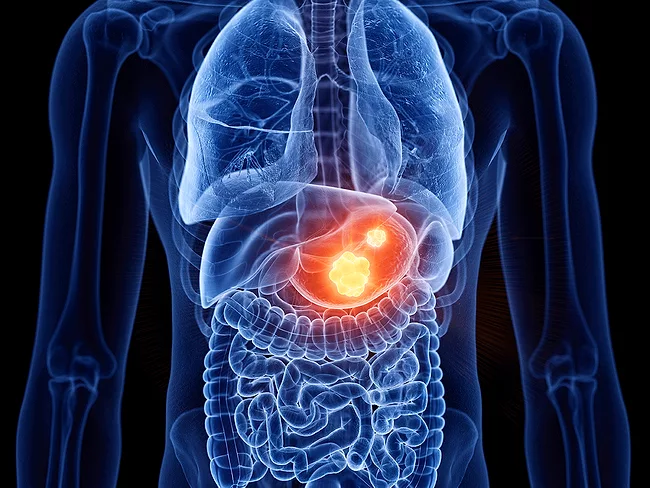
Researchers from Qingdao University have presented data from a study that aimed to investigate the role of HIG1 hypoxia inducible domain family member 1B (HIGD1B) in gastric cancer (GC). The expression of HIGD1B was analyzed in GC and normal gastric tissues from multiple independent cohorts from public databases and verified using cell experiments.

 RSS
RSS