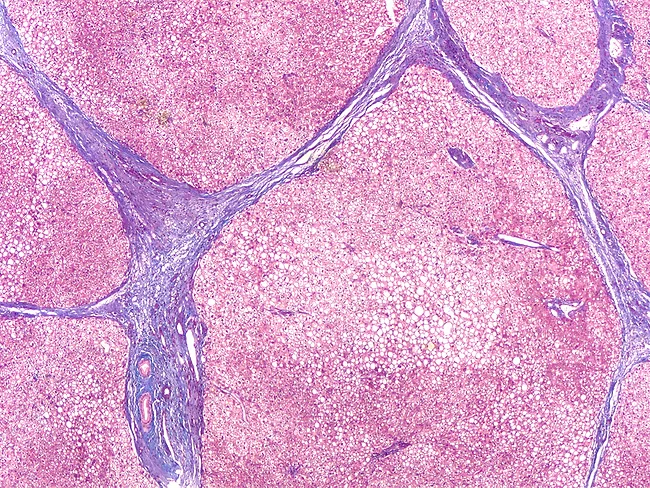
Astrazeneca plc has developed a potent oral fibroblast activation protein (FAP) inhibitor, AZD-2389, that avoids the cleavage of FGF21 and α2-AP. AZD-2389 was tested in cynomolgus monkeys with diet-induced MASH.
Several recent Imhotex Ltd. patents describe novel analogues of muramyl dipeptide (MDP), desmuramylpeptides (DMPs), acting as nucleotide-binding oligomerization domain-containing protein 2 (NOD2) activators potentially useful for the treatment of Crohn’s disease.
Evotec International GmbH has synthesized integrin α4β7 (LPAM-1) antagonists reported to be useful for the treatment of ulcerative colitis and Crohn’s disease.
Numab Therapeutics AG and Kaken Pharmaceutical Co. Ltd. have signed a new collaboration and option agreement to develop ND-081, a multispecific antibody for the treatment of inflammatory bowel disease.
Many studies have linked the presence of specific bacteria to various diseases. But a general overgrowth of gut bacteria can be a symptom of different conditions, including colorectal cancer and inflammatory bowel disease. A study counting gut microbiome proposes that microbial load, rather than the disease, could explain the presence of certain pathogens.
Trex Bio Inc. has closed an oversubscribed $84 million series B financing round to support development of its pipeline of novel therapies that modulate the immune system to restore human tissue immune homeostasis.
China Hinye Pharmaceutical Co. Ltd. has identified pyrrole sulfonyl compounds and deuterated derivatives acting as H+/K+-ATPase inhibitors reported to be useful for the treatment of peptic ulcers, Zollinger-Ellison syndrome, gastroesophageal reflux disease, dyspepsia, reflux esophagitis, Barrett esophagus, Helicobacter pylori infection and gastric cancer.
Werewolf Therapeutics Inc. has expanded its pipeline with the addition of a novel IL-10 Indukine development candidate, WTX-921, for inflammatory bowel disease (IBD) and potentially other inflammatory diseases.
Liver diseases are responsible for around two million deaths every year. Among them, hepatocellular carcinoma (HCC), particularly at late stages, presents limited therapeutic options and a dismal survival rate.
Suzhou Ansailong Pharmaceutical Technology Co Ltd. has identified mitochondrial ATP-dependent Clp protease proteolytic subunit (ClpP) activators reported to be useful for the treatment of cancer, AIDS, nonalcoholic fatty liver disease (metabolic dysfunction-associated steatotic liver disease [MASLD]) and neurological disorders.
 RSS
RSS