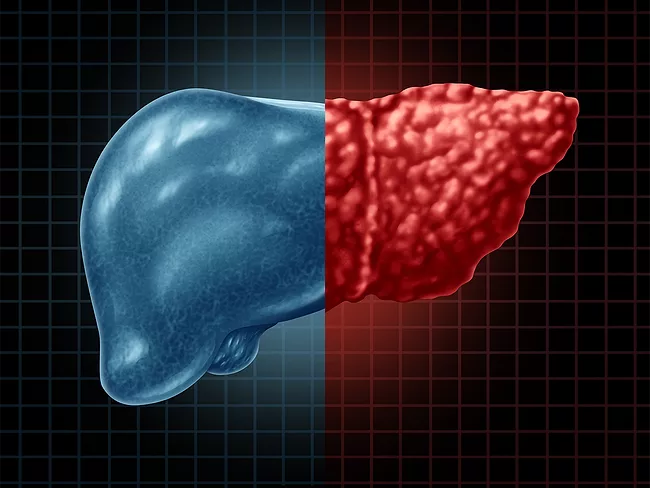
Omega Therapeutics Inc. has presented preclinical data on hepatocyte nuclear factor 4-alpha (HNF4A) modulation in fibrotic liver disease models to enhance its key role and suggest it as a potent therapeutic target.
Genfit SA has highlighted its new focus and development strategy in acute-on-chronic liver failure (ACLF). The company's pipeline targets key pathophysiological pathways of ACLF, with priority given to systemic inflammation, cell death and microbiota.
Enanta Pharmaceuticals Inc. has disclosed 17-β-hydroxysteroid dehydrogenase 13 (HSD17B13; 17-β-HSD 13) inhibitors reported to be useful for diseases of the liver.
Scirhom GmbH has submitted a clinical trial application (CTA) for its lead candidate, SR-878, an antibody designed to target inactive rhomboid protein 2 (iRhom2) as a therapeutic strategy for numerous autoimmune disorders.
Trex Bio Inc. has announced its selection of a new development candidate, TRB-061, designed to selectively agonize TNF receptor 2 (TNFR2), a mechanism with potential across a broad range of autoimmune indications.
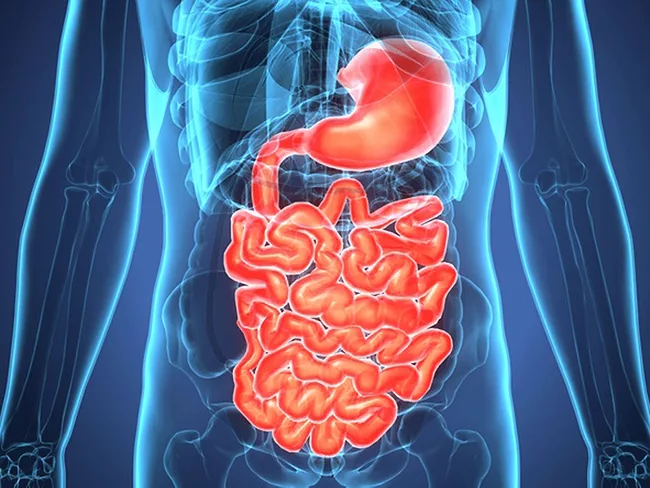
Sosei Group Corp. and Kallyope Inc. have announced the successful identification, validation and nomination of a first G protein-coupled receptor (GPCR) target to enter a therapeutic discovery program for gastrointestinal (GI) diseases. The nominated target will advance into a structure-based drug discovery program.
Bit Bio Ltd. (dba Bit.bio) has disclosed its cell therapy pipeline and a lead cell therapy candidate, bbHEP01, which is targeted to enter the clinic in 2025.
It is well known that mutations in the cystic fibrosis transmembrane regulator (CFTR) gene are causative of cystic fibrosis, a lethal autosomal recessive Mendelian disorder. Several studies have also pointed to an association between CFTR mutations and inflammatory bowel disease (IBD).
F-box/WD repeat-containing protein 7 (FBXW7) is known to regulate the protein stability of key metabolic transcription factors, including the major transcriptional regulator of lipid biosynthesis, SREBP1, the overactivation of which has been previously linked to elevated lipogenesis.
FL2022-001 Inc. has patented new 17-β-hydroxysteroid dehydrogenase 13 (HSD17B13; 17-β-HSD 13) inhibitors reported to be useful for the treatment of liver fibrosis and nonalcoholic steatohepatitis.
 RSS
RSS