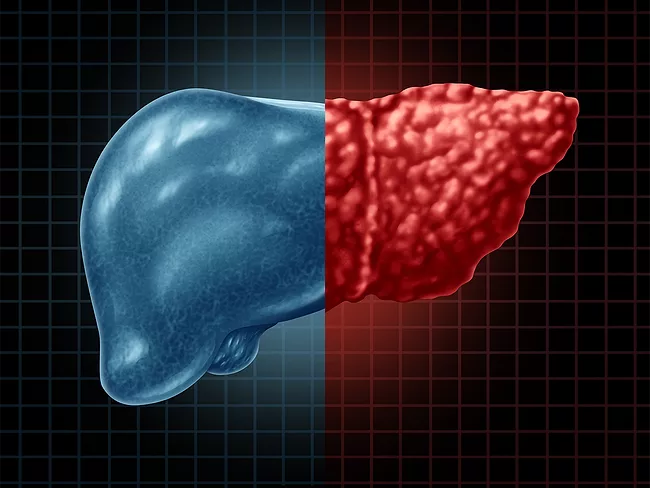
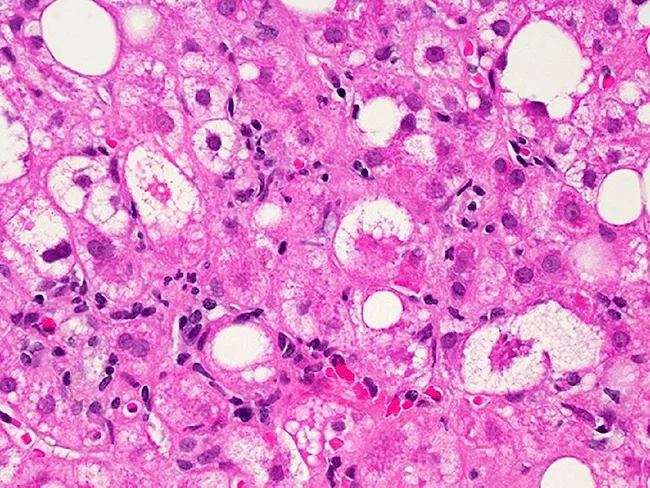
Hepagene Therapeutics Inc. has received FDA clearance of its IND application for HPG-7233 for the treatment of patients with nonalcoholic steatohepatitis (NASH) and dyslipidemia.
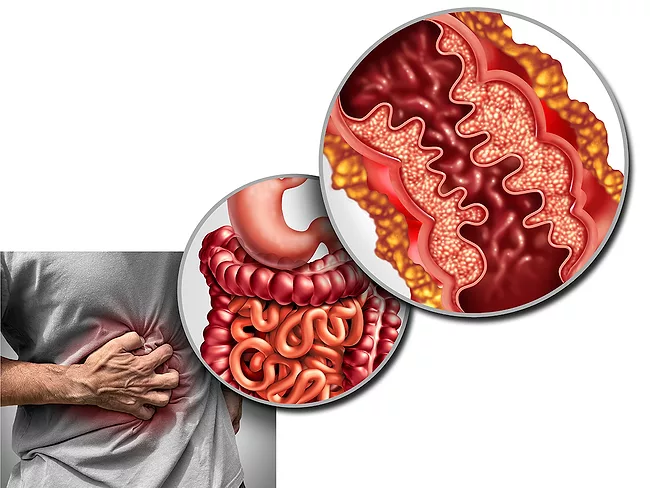
In the gastrointestinal tract, intraepithelial lymphocytes are tasked with protecting the epithelium against pathogens and participating in wound repair and correct mucosal barrier functioning. In a study published in the Sept. 15, 2023, issue of Science, researchers at King’s College London and collaborators have identified a specific subset of gamma-delta (γδ) T cells in the human gut, Vγ4 cells, which seems to protect against inflammatory bowel disease (IBD) progression.
Nexys Therapeutics Inc. has identified aryl hydrocarbon receptor (AhR) agonists and their prodrugs reported to be useful for the treatment of inflammatory bowel disease, multiple sclerosis and Huntington’s disease.
Researchers from Guangdong Pharmaceutical University and affiliated organizations have discovered novel farnesoid X receptor (FXR) agonists as candidates for the treatment of nonalcoholic steatohepatitis (NASH).
CCM Biosciences Inc. has launched with a focus on discovering and developing novel drugs, including small molecules, gene therapies, biologics and nanomedicines, and companion diagnostic tests.
Nonalcoholic steatohepatitis (NASH) is a progressive form of nonalcoholic fatty liver disease with limited treatment options that can progress to more severe forms of liver damage such as cirrhosis or hepatocellular carcinoma. Targeting peroxisome proliferator-activated receptors (PPARs) with compounds such as elafibranor (GFT-505) is a feasible strategy for the prevention and treatment of NASH.
The vitamin D receptor (VDR) is a member of the nuclear receptor superfamily and a potential target for treating hepatic fibrosis. Several VDR agonists, classified as “secosteroidal” and “non-secosteroidal,” have been developed.

 RSS
RSS