Bridgene Biosciences Inc. has signed a strategic collaboration and licensing agreement with Takeda Pharmaceutical Co. Ltd. to discover small-molecule drug candidates against targets in immunology and neurology.
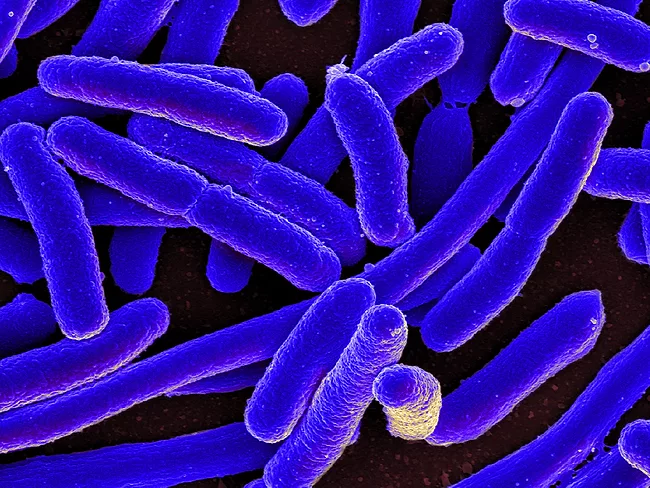
CARB-X (Combating Antibiotic-Resistant Bacteria Biopharmaceutical Accelerator) has announced it will award US$2 million to Immunethep SA to develop a conjugated peptide-based vaccine to prevent infections from all invasive serotypes of Escherichia coli.
Photys Therapeutics Inc. has signed a license agreement with Hangzhou Polymed Biopharmaceuticals Inc. for HPB-143, a phase I-ready IRAK-4 degrader. IRAK-4 degradation offers potential to treat various autoimmune indications, including atopic dermatitis and hidradenitis suppurativa.
Signal transducer and activator of transcription 6 (STAT6) is a member of the STAT family involved in the regulation of immune response and inflammation. The development of SH2 domain inhibitors targeting STAT6 may help prevent and treat allergic diseases, asthma, atopic dermatitis or other Th2-driven immune conditions. Researchers from Recludix Pharma Inc. have presented the preclinical profiles of REX-8756 and REX-4671, two STAT6 inhibitors being developed in partnership with Sanofi SA.
Septerna Inc. has announced its decision to discontinue a healthy volunteer phase I trial of SEP-786, an oral small-molecule agonist of the parathyroid hormone 1 receptor being developed for the treatment of hypoparathyroidism.
In autoimmune diseases such as inflammatory bowel disease (IBD), the function of regulatory CD8 T cells (CD8 Treg) is compromised, in part due to the expression of inhibitory KIR receptors (KIR2DL1/2/3) and insufficient inducible T-cell co-stimulator (ICOS) signaling. Mozart Therapeutics Inc. has discovered MTX-201, a new bispecific antibody targeting inhibitory KIR and ICOS that are co-expressed by CD8 Tregs.
Stimulating the body’s immune defenses against a tumor can reduce or eliminate it. However, in cancer immunotherapy, when immune checkpoint inhibitors unleash the immune system, severe autoimmunity can result. A hematological technique, extracorporeal photopheresis (ECP), could offer a solution. It reduces the therapy-induced inflammation without altering antitumor immunity. According to scientists at the Universities of Basel and Freiburg, the key lies in adiponectin, a hormone produced by fatty tissue.
Neumora Therapeutics Inc. has patented NMDA receptor positive allosteric modulators reported to be useful for the treatment of autoimmune disease, infections, neurological and psychiatric disorders.
Ensoma Inc.’s lead program, EN-374, has been granted orphan drug and rare pediatric disease designations by the FDA for the treatment of X-linked chronic granulomatous disease. Ensoma anticipates filing an IND application for EN-374 in the first half of this year.
Lycia Therapeutics Inc. has reported progress in its immunology pipeline that comprises lysosomal targeting chimera (LYTAC)-based protein degradation therapies. The company is advancing its two lead programs toward the clinic: LCA-0061, a Catalytac degrader that catalytically degrades IgE, and LCA-0321, a Lytac degrader designed to specifically bind and rapidly deplete anti-thyroid-stimulating hormone receptor (TSHR) autoantibodies.
 RSS
RSS