Cullinan Therapeutics Inc. swept up ex-China rights to a multiple myeloma (MM)-targeting BCMAxCD3 bispecific T-cell engager (TCE) velinotamig from Chongqing Genrix Biopharmaceutical Co. Ltd. via a potential $712 million deal June 4. The plan is to repurpose the cancer drug to autoimmune disease.
Epimab Biotherapeutics Inc. licensed out a development-ready KLK2/CD3 bispecific T-cell engager (TCE) for advanced prostate cancer to Juri Biosciences Inc. through a potential $210 million deal.
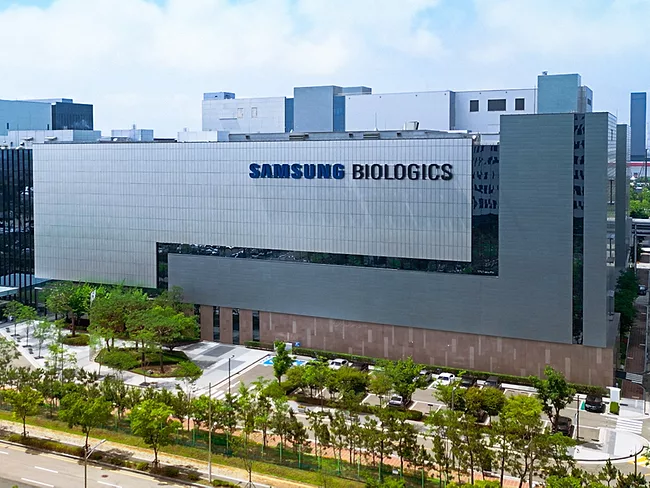
Samsung Biologics Co. Ltd. plans to establish a new holding company and to spin off its biosimilar division, Samsung Bioepis Co. Ltd., by October. The corporate restructuring will draw clear lines between Samsung Biologics’ CDMO operations and Samsung Bioepis’ biosimilar business.
Apimeds Pharmaceuticals US Inc. (APUS), a subsidiary of Kospi-listed Inscobee Inc., said May 12 that it raised $13.5 million from its stock sale on the NYSE American exchange May 9 through an offering of 3.375 million shares at $4 per share. Hopewell, N.J.-based APUS is the second pharmaceutical company with Asian ties to float shares on the U.S. market this year.
Korean pharmaceutical stocks rose across the board May 13, a day after U.S. President Donald Trump signed off on the most favored nation executive order, a drug pricing policy expected to benefit biosimilar makers in the U.S., according to Celltrion Inc.
Jiangsu Hengrui Pharmaceuticals Co. Ltd. is the latest mainland China pharmaceutical company to seek a capital raise on the Hong Kong stock exchange, winning clearance April 28 from the China Securities Regulatory Commission to float new H-shares.
After more than three years of discussion, the World Health Organization’s Intergovernmental Negotiating Body (INB) has agreed on a proposal to prevent, prepare and respond to a pandemic. The plan is born, the INB proposal said, out of inequities around the world that slowed timely and equitable access to health products to respond to the COVID-19 pandemic.
China’s National Medical Products Administration has given the thumbs up to Akeso Pharmaceuticals Inc.’s ebdarokimab for treating moderate to severe plaque psoriasis in adults. An interleukin (IL)-12/IL-23 dual-targeted monoclonal antibody, ebdarokimab (also known as AK-101) is the company's first class 1 new drug approved for autoimmune diseases.
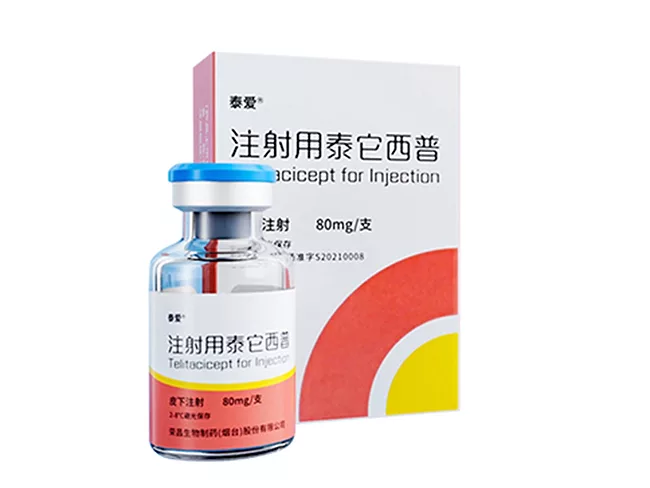
Remegen Co. Ltd. emerged as a surprise challenger in the generalized myasthenia gravis space, unveiling positive phase III data of its China-approved lupus drug, telitacicept (RCT-18; Tai’ai), in the rare autoimmune neuromuscular disorder at the 2025 American Academy of Neurology conference.
Transplanting an animal organ into a human is now a closer reality following the successful xenotransplantation of a genetically modified pig liver into a patient diagnosed with brain death in China. The operation was intended to evaluate organ function over a 10-day period. This is a complex experimental trial that did not involve removing the patient's liver and still requires further study. However, the positive preclinical results suggest this strategy could save the lives of those waiting for a human organ, at least in certain cases.
 RSS
RSS