Shortly after Amgen Inc. walked away from its partnership with Kyowa Kirin Co. Ltd., the Tokyo-based company said it is discontinuing all ongoing clinical trials for rocatinlimab due to safety concerns.
Although Aisa Pharma Inc’s cilnidipine (AISA-021) failed to meet the primary endpoint, multiple secondary endpoints showed statistically significant improvement in treating sclerosis-associated Raynaud's phenomenon, potentially positioning the drug for a phase III program in a disease with no approved oral therapies globally.
GSK plc will pay Frontier Biotechnologies Inc. $40 million up front and up to $963 million in milestone payments to license two of Frontier’s small interfering RNA-based assets in the field of immunology.
Harbour Biomed is spinning out newco Solstice Oncology and is outlicensing its CTLA-4 antibody, porustobart (HBM-4003), to the newco in a cash and equity deal worth more than $1.2 billion.
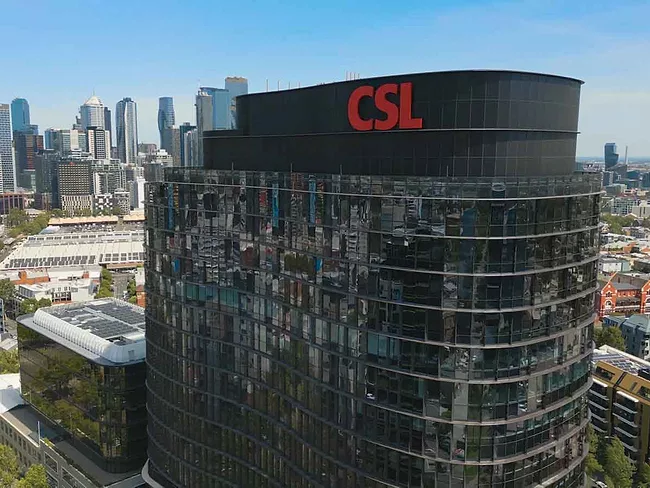
CSL Ltd. is out-licensing its interleukin-6 (IL-6) monoclonal antibody, clazakizumab, to Eli Lilly and Co. in a deal that brings CSL $100 million in up-front fees. A CSL spokesperson told BioWorld the deal includes undisclosed milestone payments and sales-based royalties. CSL will retain rights to develop and commercialize clazakizumab for prevention of cardiovascular events in patients with end-stage kidney disease, while Lilly will explore the MAb in all other indications.
Swiss pharmaceutical giant Novartis AG is selling off its India-listed business unit, Novartis India Ltd. (NIL), to a private equity-led consortium for about ₹14.46 billion (US$159.3 million) as it seeks to grow with “pure-play innovation.”
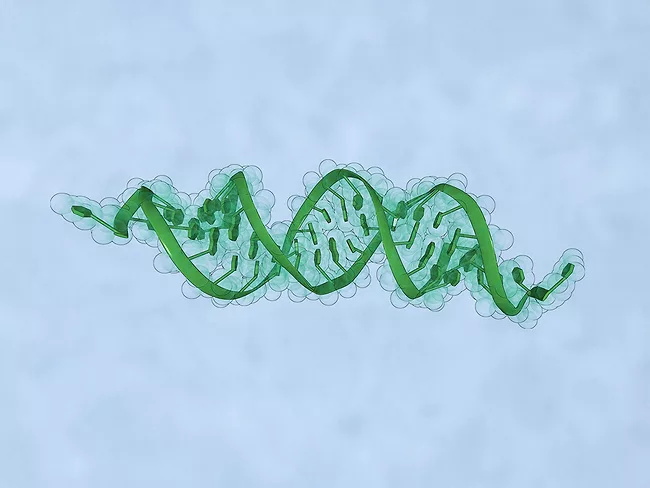
After closing an oversubscribed $85 million series B round, Quantx Biosciences Inc. is gearing up to begin clinical trials of its two lead immunology compounds, a STAT6 oral small-molecule inhibitor and an IL-17 oral small-molecule inhibitor.
The scale of the $8.5 billion deal signed between Innovent Biologics Inc. and Eli Lilly and Co. is eye-catching, but the structure is the real signal. By shifting phase II oncology development to China while reserving global rights ex-greater China, the partners are testing a model that could reshape how multinational drugmakers source innovation as well as how Chinese biotechs create value.
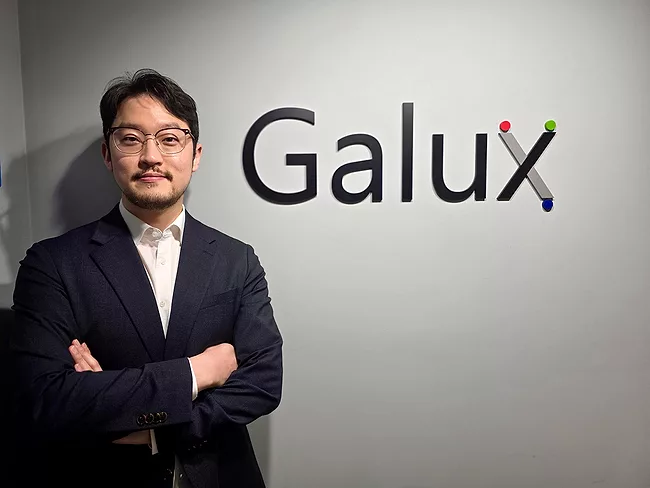
Galux closed a ₩42 billion (US$29 million) series B round Feb. 10, led by Yuanta Investment to bring AI-driven “rational design” to the protein drug development process, already heavily influenced by human engineering.
Astrazeneca plc is investing $15 billion in China through 2030 to expand R&D and manufacturing, marking one of the largest long-term investments by a multinational pharma company in the country. The U.K.-based company also struck a deal worth up to $3.5 billion with China’s CSPC Pharmaceuticals Group Ltd. to accelerate the development of next-generation therapies for obesity and type 2 diabetes.
 RSS
RSS



.webp?height=488&t=1770931675&width=650 "Interleukin 17 (IL-17)")