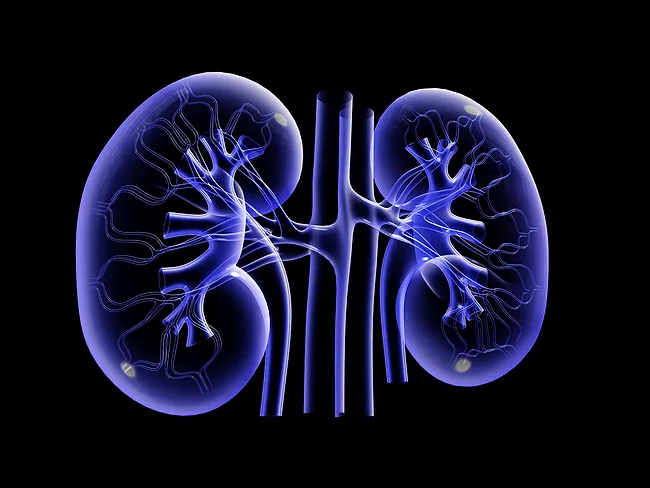
The priority BLA from Otsuka Pharmaceutical Co. Ltd., of Tokyo, and its U.S. subsidiary, Otsuka Pharmaceutical Development & Commercialization Inc., for sibeprenlimab to treat immunoglobulin A nephropathy (IgAN) has received accelerated approved by the U.S. FDA.
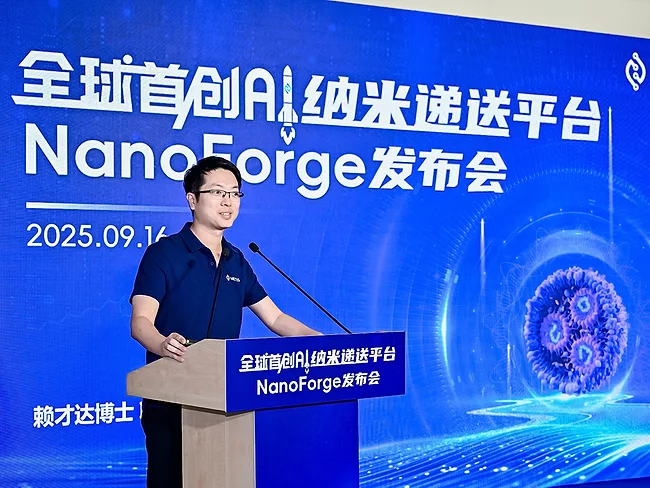
Harbour Biomed is stepping up its antibody discovery process by using AI to develop innovative therapeutics. “We have done great through the traditional way of generating leads and designing molecules, but there’s a major gap as some therapeutics cannot reach the desired location or common targets,” Harbour Biomed founder, chairman and CEO Jingsong Wang told BioWorld.
South Korean researchers led by Lee In-suk of Yonsei University have reported the most complete oral microbiome catalog to date, with more than 72,000 genomes. Detailed in Cell Host & Microbe on Nov. 12, 2025, the database is expected to serve as a universal platform for academia and enable “precision microbiome medicine” for the industry, Lee told BioWorld.
Takeda Pharmaceutical Co. Ltd.’s anti-CD38 antibody, mezagitamab (TAK-079), sustained kidney function up to 18 months after treatment ended in patients with primary immunoglobulin A (IgA) nephropathy, showing early signs of disease modification in a phase Ib study presented at the American Society of Nephrology’s Kidney Week 2025 in Houston.
Celltrion Inc. scored a hat-trick of deals to license new antibody candidates, including a $744 million deal with Kaigene Inc. Nov. 3, and a near $500 million deal with Mustbio Co. Ltd. Oct. 31.
Qyuns Therapeutics Co. Ltd. signed a potential $1.07 billion license deal with Roche Holding AG, granting the latter exclusive rights to QX-031N – a human thymic stromal lymphopoietin and interleukin-33)-targeting bispecific antibody.
Boehringer Ingelheim GmbH has licensed an unnamed small-molecule preclinical candidate from Kyowa Kirin Co. Ltd. in the autoimmune disease space in a deal worth up to €640 million (US$739 million).
For 75 years, the standard tools for autoimmune disease have consisted of steroids, cytotoxics and broad biologics that tamp down the entire immune system. They can help, but they are rarely curative. “They’re blunt instruments,” Regcell Inc. CEO Mike McCullar told BioWorld. “They can’t distinguish good immune cells and bad immune cells,” which is why many carry black-box warnings and must be taken for years, sometimes for life.
Based on positive phase III study results, Metis Techbio is planning to file an NDA for its AI-derived orally disintegrating tablet drug candidate for pseudobulbar affect, MTS-004, in China next year.
Biopharma companies announced $73.38 billion in deals from 240 transactions during the third quarter (Q3) of 2025, bringing the year-to-date total to $212.44 billion, up from $149.87 billion in the same period of 2024. The total marks the highest deal value through Q3 ever recorded by BioWorld.
 RSS
RSS