Researchers from Fundacio Privada Instituto de Salud Global Barcelona (ISGLOBAL), Institut de Bioenginyeria de Catalunya (IBEC) and Universitat de Barcelona have described compounds reported to be useful for the treatment of malaria.
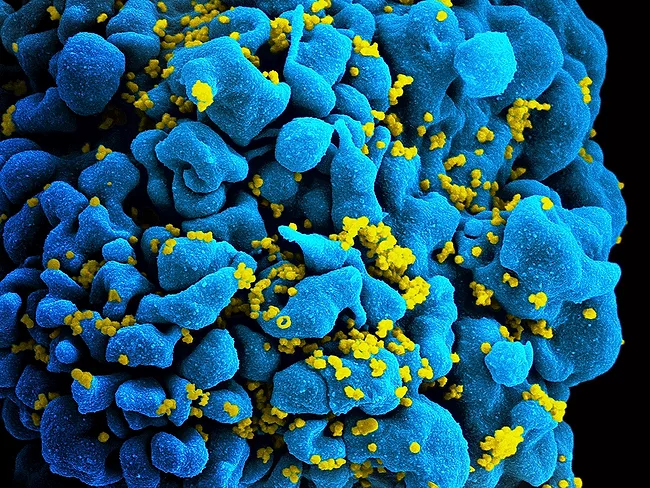
The HIV-1 envelope glycoprotein (Env) mediates cell entry and is the target of the host humoral immune response. Functional Env is a trimer of noncovalent gp120-gp41 heterodimers. Rational trimer design has transformed the HIV-1 vaccine research field and has helped understand Env structure and immunogenicity. Uncleaved prefusion-optimized (UFO) trimers have been shown to stabilize diverse HIV-1 Env glycoproteins.
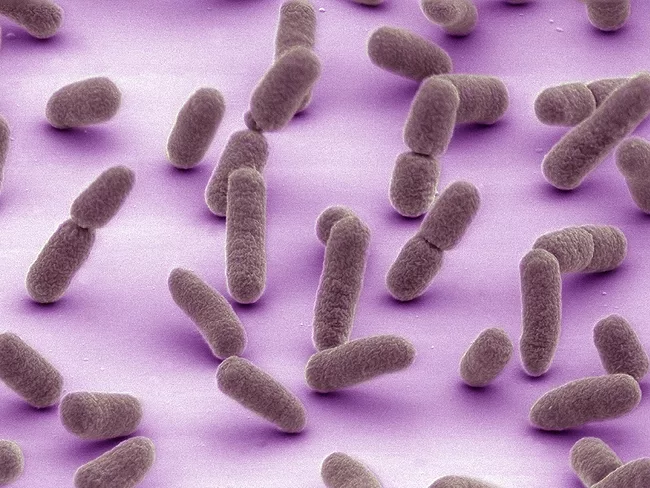
An experimental antibiotic was able to prevent recurrent Clostridioides difficile infections (rCDI) by killing bacterial spores as well as growing spores. Researchers from the University of Notre Dame reported their findings in the Proceedings of the National Academy of Sciences on May 8, 2023.
Research at F. Hoffmann-La Roche Ltd. and Hoffmann-La Roche Inc. has led to the identification of sulfonylpiperazinyl compounds acting as UDP-2,3-diacylglucosamine hydrolase (LpxH) inhibitors and reported to be useful for the treatment of gram-negative bacterial infections.
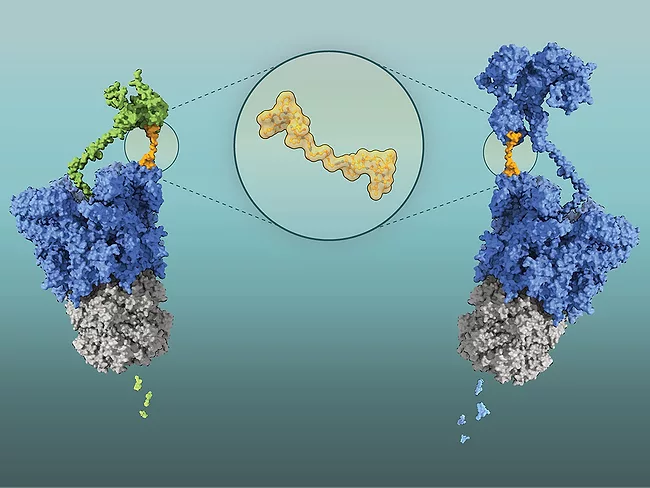
One way to prevent the effect of a molecule is to use the cell’s own machinery to break it down. This is what the PROTAC technology does, an acronym for proteolysis targeting chimera, or BacPROTAC, when applied to bacteria. A study led by Austrian and German scientists has demonstrated the effectiveness of this technique in eliminating the tuberculosis pathogen Mycobacterium tuberculosis (Mtb). The finding opens the door to the BacPROTAC strategy as an alternative to the development of drugs against this microorganism.

 RSS
RSS