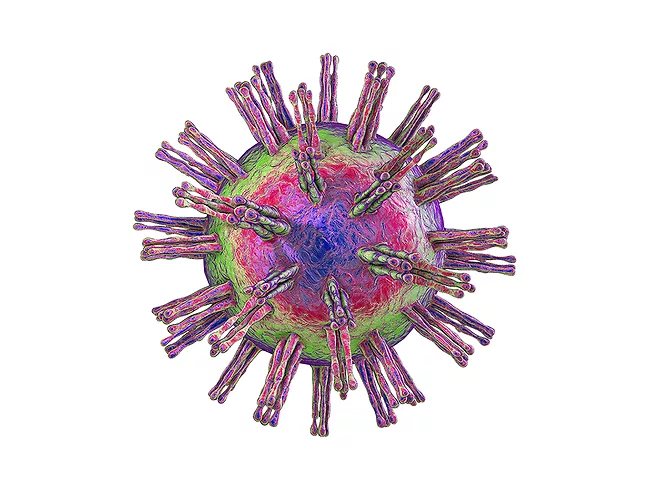
Symbio Pharmaceuticals Ltd. has entered into a sponsored research agreement with Tufts University to conduct joint research on the intravenous formulation of the antiviral drug brincidofovir.
Qrons Inc. has established a collaboration with scientists at a public research university in Israel, by which Tellurium-based compounds in combination with Qrons' QS-200 product candidate and other configurations will be explored as treatment for diffused axonal injuries (concussions), which accounts for approximately 89% of traumatic brain injuries (TBIs).
Everest Medicines Ltd. has achieved a preclinical proof-of-concept milestone for its mRNA rabies vaccine program. This new vaccine candidate for rabies post-exposure prophylaxis was developed in partnership with Providence Therapeutics Holdings Inc. utilizing a clinically validated mRNA technology platform.
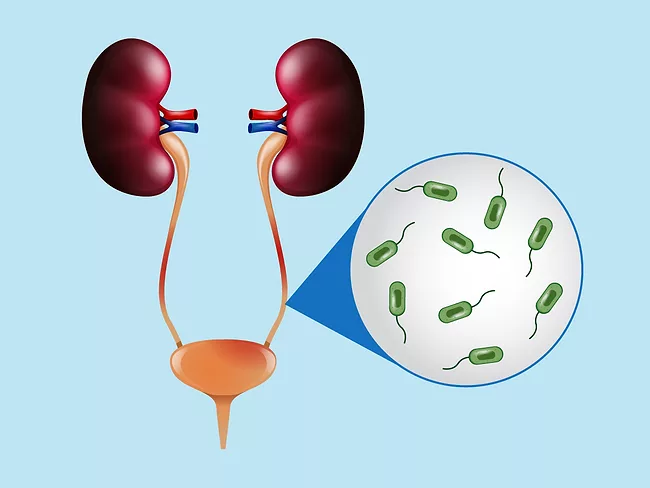
Currently, most patients with urinary tract infections (UTIs) require long-term antibiotic treatment, which poses risks of resistance development and alters the patients' microbiota. Therefore, vaccines that raise safe, effective and long-lasting immune responses across populations for UTI prevention constitute a critical medical need. However, developing such vaccination strategies remains challenging because the responses need to be specific to a broad range of UTI-causing bacteria and include both blood and mucosal responses in the urogenital tract.
Given all the advances that have been made over the past decade, the U.S. FDA decided to issue a new draft guidance on developing antibacterial drugs to treat pulmonary tuberculosis (TB) rather than finalize the draft it issued in 2013. In releasing the new draft, the agency cited advancements made in nonclinical models, streamlined clinical development programs and growing interest in treatment-shortening combination regimens.
 RSS
RSS