For COVID-19, the limited durability of vaccines requires multiple injections, and their effectiveness is continuously challenged by emerging new spike variants of the virus. The SARS-CoV-2 main protease Mpro plays a role in major polyprotein processing events and is essential for viral replication.
A Katholieke Universiteit Leuven patent details 6-substituted- and 6,7-disubstituted-7-deazapurine ribonucleoside analogues that act as viral replication inhibitors potentially useful for the treatment of viral infections.
Nucleoside or nucleotide antivirals are a common first-line treatment for viral diseases, acting as direct inhibitors of viral replication and transcription. The nucleoside GS-441524 and its prodrug remdesivir have shown broad-spectrum antiviral activity against several virus families, including Flaviviridae, Filoviridae, Pneumoviridae, paramyxoviruses and Coronaviridae.
Research at Middle Tennessee State University has led to the development of peptoids reported to be useful for the treatment of fungal infections and tuberculosis.
Pardes Biosciences Inc. has patented 3C-like proteinase (3CLpro; Mpro; nsp5) (SARS-CoV-2; COVID-19 virus) inhibitors reported to be useful for the treatment of viral infections.
Exevir Bio BV has announced research detailing a novel, highly potent, anti-S2 camelid single-domain antibody, discovered at the VIB-Ugent Center for Medical Biotechnology, and developed as a candidate drug molecule by Exevir as XVR-013.
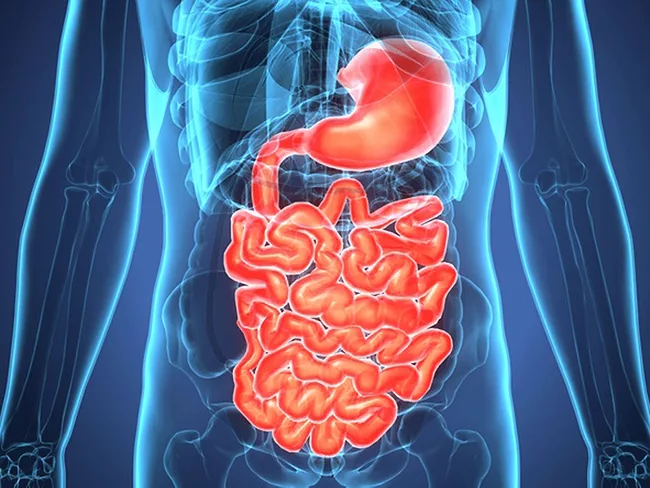
Researchers from Case Western Reserve University presented data from a study that aimed to investigate gut integrity, oxidized lipids and inflammatory markers associated with the pathogenesis of post-acute sequelae of COVID-19 (PASC).
 RSS
RSS