Although COVID-19 may be more severe in people with HIV (PWH), the underlying biological mechanisms among PWH treated with antiretroviral therapy (ART) remain largely unknown.
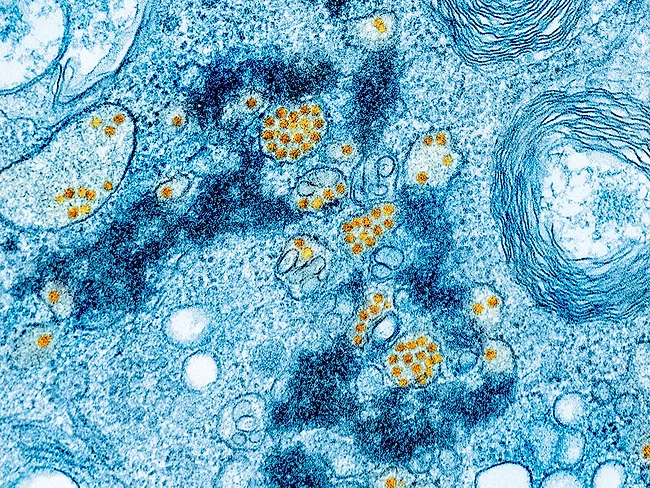
A live-attenuated vaccine targeting SARS-CoV-2 infection, which can be administered through the nose, has shown promise in preclinical animal studies carried out by researchers in Berlin. In an article published April 3, 2023, in Nature Microbiology, the authors reported that the COVID-19 vaccine candidate – sCPD9 – triggered the most robust immune response in a hamster model when compared with Biontech/Pfizer’s mRNA vaccine BNT162b2 and Ad2-Spike.
Two neutralizing monoclonal antibodies isolated from volunteers vaccinated against the yellow fever virus controlled the viremia and prevented severe disease and death in hamsters and primates.
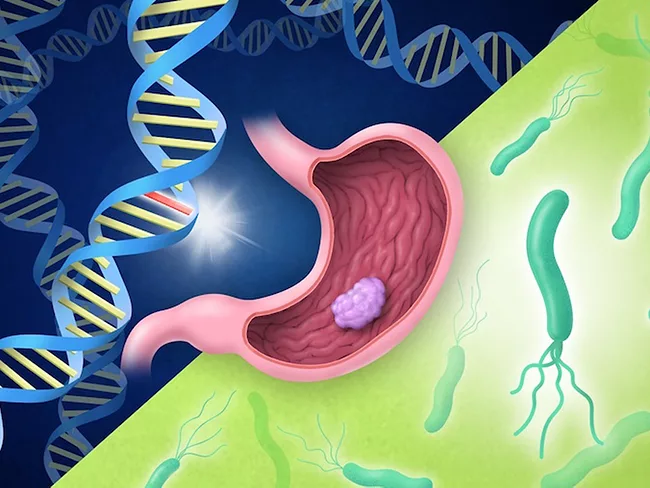
Helicobacter pylori infection and germline genetic variants interacted with each other to affect the risk of gastric cancer in a study comparing more than 11,000 patients with stomach cancer and 44,000 people without cancer. Researchers from the RIKEN Center for Integrative Medical Sciences (IMS) published those findings in the March 30, 2023, issue of the New England Journal of Medicine.
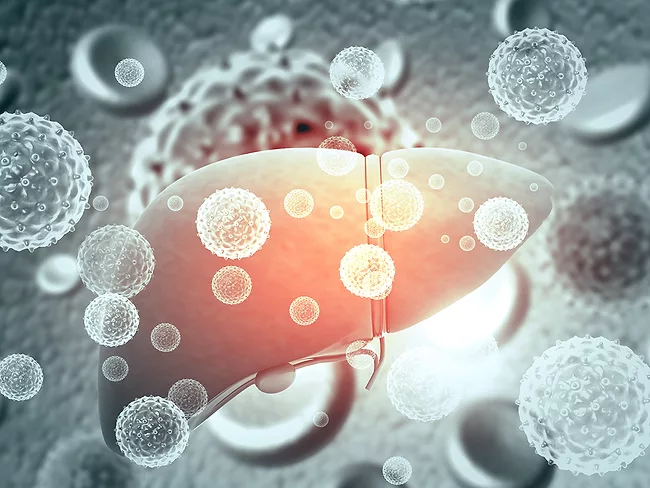
Three papers accelerated through publication and appearing in Nature March 30, 2023, have linked an unexplained rise in cases of acute hepatitis in children to adeno-associated virus 2 (AAV2), and pointed to a possible immune-mediated trigger in patients who have a genetic predisposition.
The advance of antifungals – a class long needful of new therapies – continued with Scynexis Inc.’s potential $593 million exclusive license agreement with GSK plc for Brexafemme (ibrexafungerp), first cleared by the U.S. FDA in June 2021 and indicated for vulvovaginal candidiasis (VVC) as well as for reduction of recurrent VVC.
HIV infects immune cells, mainly CD4+ T cells. But they are not the only ones. It also settles in the genome of myeloid cells, monocytes or macrophages. According to a study from Johns Hopkins University, the viral DNA inserted into myeloid cells is functional. The virus also reactivated from the monocyte-derived macrophage reservoir. New cure strategies need to take these cells into account to eradicate the virus from the body.
 RSS
RSS