Innocare Pharma Ltd.’s tyrosine kinase 2 (TYK2) inhibitor, ICP-488, met the primary endpoint in a phase II trial in Chinese patients with moderate to severe plaque psoriasis, and the results clear the way to accelerate clinical development in psoriasis and other autoimmune diseases.
Mestag Therapeutics Ltd. has sealed a potential $1.9 billion agreement with Merck & Co. Inc., in which it will apply its expertise in activated fibroblasts to identify novel targets for inflammatory diseases. The pharma company has the option to license one or more targets, up to a prespecified number, and will take on all subsequent discovery, development and commercialization work.
South San Francisco-based Septerna Inc. filed an S-1 with the U.S. SEC to conduct an IPO on Nasdaq about two years and eight months after launching operations with a $100 million series A led by Third Rock Ventures. The company is focused on G protein-coupled receptor oral small molecules derived from its Native Complex Platform, aimed at treating diseases within the endocrinology, immunology and inflammation, and metabolic diseases realms.
As Eli Lilly and Co. launches its recently approved Ebglyss (lebrikizumab) in an atopic dermatitis market already dominated by established biologic Dupixent (dupilumab, Regeneron Pharmaceuticals Inc.), investors tuned into an Amgen Inc. investor call disclosing positive top-line phase III results for rocatinlimab, a monoclonal antibody that could potentially offer patients a new mechanism of action. While data from the Rocket Horizon study showed rocatinlimab hit all co-primary and secondary endpoints, the early findings fell below expectations in a highly competitive market.
Cumulus Oncology Ltd. is in the thick of raising a $50 million series A round as its model of sourcing novel drug targets emerging from academia, shaping them up for clinical development, and spinning them into startups, gathers pace. At the same time, Nodus Oncology Ltd., the first spinout created around an acquired asset, has just reached in vivo proof of concept with its lead DNA damage response inhibitor, and it, too, is looking to raise a series A to take the program through to the end of phase I.
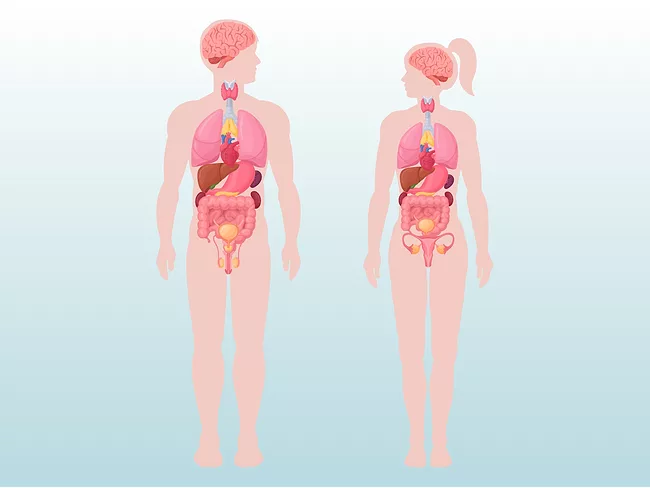
The risk of developing multiple sclerosis (MS) is nearly four times as high for women as it is for men. And that relative risk has increased sharply over time. In 1955, women were only slightly more likely than men to develop MS. A research team at the University of Toronto and the Oklahoma Medical Research Foundation (OMRF) has gained new insights into possible causes for this increasing disparity.
In its fifth year of transcription factor discovery, Talus Bioscience Inc. just raised $11.2 million in new venture funding. Seattle-based Talus will use the money to further develop its MARMOT (Multiplexed Assays for the Rational Modulation Of Transcription Factors) platform.
Levicept Ltd. is scoping the options for phase III development after reporting positive results from its phase II trial of LEVI-04 in the treatment of pain caused by osteoarthritis of the knee. The full data are yet to be published, but the company said the potentially first-in-class neurotrophin-3 inhibitor demonstrated significant differences from placebo, with a mean reduction in pain score from baseline of more than 50%, for the three doses tested.
Another failure with allosteric tyrosine kinase 2 (TYK2) inhibitor VTX-958 put an end to internal work with the compound, and shares of Ventyx Biosciences Inc. (NASDAQ:VTYX) fell July 29 to $2.24, down 71 cents or 24%, after the firm disclosed results from the phase II, 109-subject trial in moderately to severely active Crohn’s disease (CD).
Ensho Therapeutics Inc. launched in July after licensing a pipeline of four oral α4β7 inhibitors for inflammatory and gastrointestinal disorders, including inflammatory bowel disease (IBD), from EA Pharma Co. Ltd. “Millions of people worldwide are living with IBD,” Ensho founder, president and executive chair Neena Bitritto-Garg recently told BioWorld, “and while there are a number of approved medications to address the symptoms of IBD, it remains a difficult-to-treat disease with high relapse rates for a considerable proportion of patients.”

 RSS
RSS