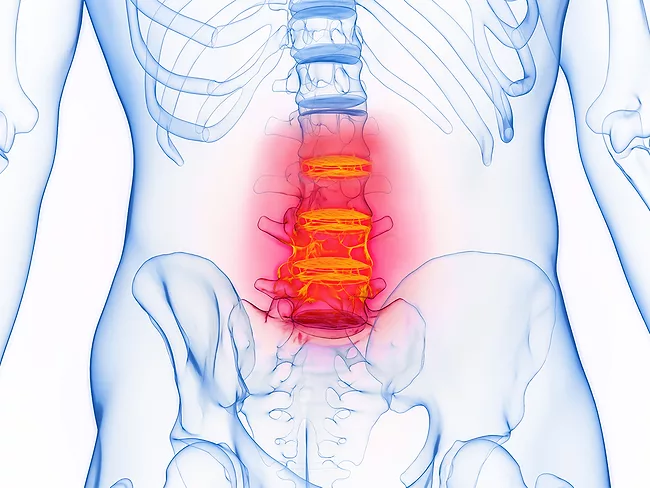
Qyuns Therapeutics Co. Ltd. has moved closer to its first commercial product after China’s National Medical Products Administration (NMPA) accepted its NDA for IL-17 antibody crusekitug (QX-002N) for treating ankylosing spondylitis (AS), a chronic inflammatory disease that affects the spine and sacroiliac joints.
The strife-marked Duchenne muscular dystrophy (DMD) space drew forth another outspoken political figure in the shape of Sen. Ron Johnson (R-Wisc.), who said he was “enraged” by the U.S. FDA’s refusal to consider PTC Therapeutics Inc.’s Translarna (ataluren) for the treatment of nonsense mutation disease.
Japan has approved the world’s first therapies derived from induced pluripotent stem cells (iPSCs), marking a major milestone for regenerative medicine and, potentially, a turning point in treating Parkinson’s disease.
Pepgen Inc. is forging ahead with tests of PGN-EDODM1 in other territories after the U.S. FDA placed a partial hold on the Freedom2-DM1 phase II trial, a multiple ascending-dose, randomized, placebo-controlled experiment in myotonic dystrophy type 1 (DM1).
Innovacell Inc. launched a ¥14.16 billion (US$91.2 million) stock sale on the Tokyo Stock Exchange Feb. 24, ending a near two-year lull of biotech listings in Japan while signaling a dynamic year ahead for cell-based therapeutics.
Med-tech companies with an AI component in their solutions will certainly find investors willing to back them. AI after all, is being used to develop more effective, smarter technologies. However, investors will only deploy capital into innovations that address genuine clinical needs. The aging population is driving interest in devices targeting cardiovascular and musculoskeletal disorders, and other solutions geared toward neurological conditions, women’s health and diagnostics are also attracting investor attention.
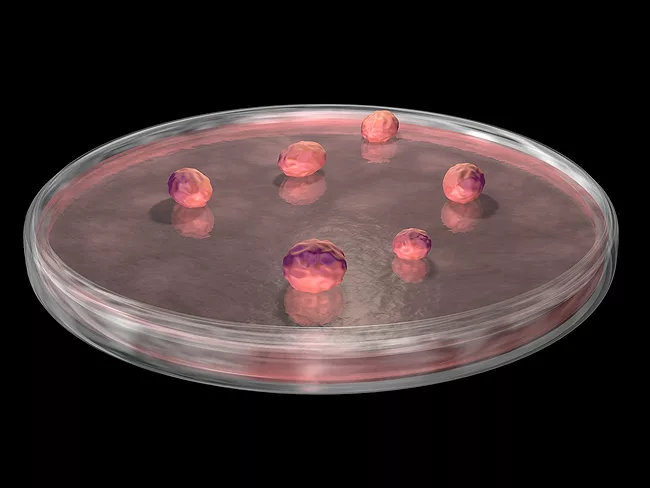
The variety of organoids that can be developed in vitro is enabling major advances. Depending on the type of tissues and the research goals, these small 3D cell-based structures that mimic real tissue offer certain advantages over animal models. Scientists at the University of Padova in Italy have created human neuromuscular organoids to reproduce cancer-induced muscle cachexia, a condition that murine models do not accurately replicate.
Bridgebio Pharma Inc. kept the phase III wins coming, this time with positive top-line results from Propel 3, the global phase III pivotal study of oral infigratinib, designed to inhibit FGFR3 signaling in children with achondroplasia.
Genentech Inc. is covering more bases in multiple sclerosis, with its latest swing on fenebrutinib hitting a rare phase III noninferiority win against Ocrevus (ocrelizumab) in primary progressive multiple sclerosis.
After a roller coaster of a year for Duchenne muscular dystrophy (DMD) gene therapy Elevidys (delandistrogene moxeparvovec), Sarepta Therapeutics Inc. looks to focus on the efficacy narrative in 2026, starting with newly unveiled three-year data showing durable efficacy across all key motor function assessments for treated DMD patients vs. external controls.
 RSS
RSS