AAT-076 was tested in the preclinical setting for its analgesic potential in COX-1 and COX-2 assays, as well as in in vivo rat models of air pouch inflammation, adjuvant-induced arthritis and neuropathic pain models. The compound was selected as a candidate analgesic compound due to its effective COX-2 inhibition within the central nervous system.
Actio Biosciences Inc.’s ABS-0871 has received both orphan drug designation and rare pediatric disease designation from the FDA. ABS-0871 is in preclinical development for the treatment of Charcot-Marie-Tooth disease subtype 2C (CMT2C).
Researchers from Royal Children's Hospital, the University of Melbourne and affiliated organizations published data from a study that aimed to investigate the potential of benfotiamine, which is a lipid soluble precursor to thiamine, for the treatment of inflammation related dystrophic pathology in patients with Duchenne muscular dystrophy (DMD).
After receiving Orphan Drug Designation earlier this year, Satellos Bioscience Inc. announced that the FDA has granted Rare Pediatric Disease Designation to SAT-3247 for the potential treatment of Duchenne muscular dystrophy (DMD).
Cogent Biosciences Inc. has disclosed compounds acting as fibroblast growth factor receptor (FGFR) inhibitors reported to be useful for the treatment of achondroplasia, cancer, craniosynostosis, Alzheimer's disease, fibrosis, pulmonary fibrosis, systemic scleroderma (systemic sclerosis) and thanatophoric dysplasia, among others.
Caregen Co. Ltd. has identified peptides reported to be useful for the treatment of cartilage injury, fracture, intervertebral disc herniation, degenerative intervertebral disc disorder, osteoarthritis, osteomalacia and muscular injury.
Researchers from East China Normal University and Fudan University presented the discovery of a new oral compound, Z-526, being developed as a treatment to alleviate chemotherapy-induced cachectic muscle loss.
Pepgen Inc. fell slightly short of its phase II dystrophin goal with PGN-EDO51 for patients with Duchenne muscular dystrophy (DMD) whose mutations are amenable to an exon 51-skipping approach, but Wall Street reacted in a big way, sending the Boston-based firm’s stock (NASDAQ:PEPG) down 33%, or $5.55, to close July 31 at $11.43.
Researchers from the Second Affiliated Hospital of Fujian Medical University and Shaoxing People's Hospital presented preclinical data for the signal transducer and activator of transcription 3 (STAT3) inhibitor STX-0119, which has been previously validated in models of cancer.
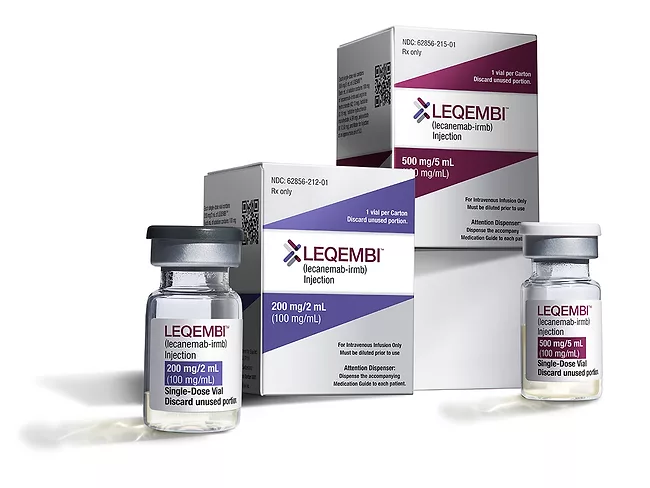
The EMA’s Committee for Medicinal Products for Human Use (CHMP) recommended approval of 14 drugs and the extension of the label of 11 others at its July meeting, but, inevitably, it was the decision to turn down the Alzheimer’s disease therapy Leqembi (lecanemab) that stirred the greatest reaction.
 RSS
RSS