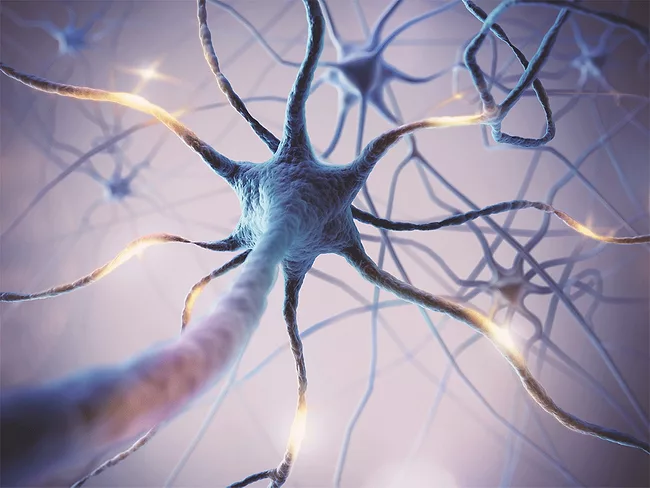
Trace Biosciences Inc. has obtained IND approval from the FDA for LGW16-03 (Nervetrace Dx), the company’s first nerve-specific fluorescent imaging agent. The IND clearance enables Trace to initiate a first-in-human study evaluating the safety and intraoperative performance of LGW16-03 in surgical settings.
Humanwell Pharmaceutical US Inc. has disclosed prodrugs of somatostatin SST4 receptor agonists described as potentially useful for the treatment of visceral and neuropathic pain.
DFNB16, a recessive form of mild-to-moderate human deafness, is caused by mutations in the STRC gene, which encodes stereocilin, a protein essential for the effective function of outer hair cells as cochlear amplifiers. Researchers from the Institut Pasteur and Sorbonne Université in Paris, France, have developed and evaluated the efficacy of an Strc gene therapy in a mouse model of DFNB16.
Jiangsu Hengrui Pharmaceuticals Co. Ltd. and Shanghai Hengrui Pharmaceutical Co. Ltd. have identified oxyheteroaryl compounds acting as sodium channel protein type 10 subunit α (Nav1.8) blockers. They are reported to be useful for the treatment of pain, urinary incontinence, multiple sclerosis, cough, Charcot-Marie-Tooth disease and arrhythmia.
Bexorg Inc. has been awarded a research grant from The Michael J. Fox Foundation for Parkinson’s Research (MJFF) through the Targets to Therapies initiative to identify translational biomarkers for TRPML1-targeted therapies.
The SCN2A Foundation has entered into a research collaboration with Unravel Biosciences Inc. to advance preclinical research for SCN2A-related disorders caused by loss-of-function mutations, a subset of SCN2A conditions driven by insufficient functional protein.
Several neurodegenerative diseases, including Alzheimer’s disease, frontotemporal dementia and progressive supranuclear palsy, are classified as tauopathies due to the pathological accumulation of tau protein in specific brain nuclei. Researchers in Argentina have proposed the use of RNA interference (RNAi)-mediated therapies using viral vectors to target tau.
Janssen Pharmaceutica NV has identified compounds targeting TAR DNA-binding protein 43 (TARDBP; TDP-43) acting as positron emission tomography (PET) imaging agents. They are designed for use in the diagnosis of neurological disorders.
Voltage-gated sodium channels, particularly Nav1.7, are highly expressed in peripheral sensory neurons and are crucial for pain signal conduction and signal transmission in the spinal dorsal horn. Because of their role in triggering pain, these channels are considered critical targets for analgesics. Systemic inhibition of Nav1.7 has been shown to abolish pain perception.
The serine/threonine kinase glycogen synthase kinase-3β (GSK-3β) plays a multifunctional role through its involvement in multiple signaling pathways. Because of its relevant role in Alzheimer’s disease (AD) pathogenesis, regulating GSK-3β activity has been proposed as a potential approach to target AD-related pathology.
 RSS
RSS