Temple University has described compounds acting as antioxidants and nuclear factor erythroid 2-related factor 2 (NFE2L2; NRF2) activators reported to be useful for the treatment of Alzheimer’s disease, Parkinson’s disease, Huntington’s disease, cerebral palsy, epilepsy and multiple sclerosis.
Scenic Biotech BV has synthesized lysosomal phospholipase A and acyltransferase (PLA2G15) inhibitors reported to be useful for the treatment of HIV infection, frontotemporal dementia, Niemann-Pick disease type C, Batten disease, Alzheimer’s disease and Parkinson’s disease.
Phosphorylation of the protein Tau is a key post-translational feature in tauopathies like Alzheimer’s disease (AD), which leads to microtubule dysfunction and Tau accumulation. Recent findings have suggested the blockade of the adenosine A2A receptor as an approach that improves the outcome in amyloid and Tau models.
Telomir Pharmaceuticals Inc. has released new in vitro data revealing that Telomir-1 potently inhibits three key histone demethylase enzymes – JMJD3, FBXL10 and FBXL11 – that regulate gene expression through epigenetic mechanisms.
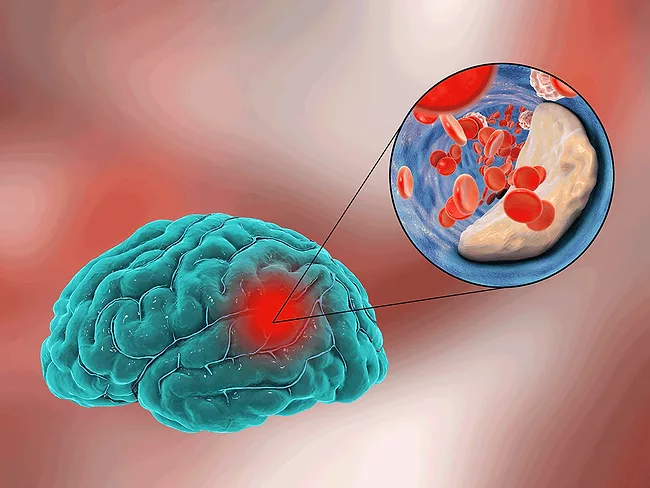
Ischemic stroke triggers a strong neuroinflammatory response, with microglial activation and neutrophil infiltration contributing to blood-brain barrier disruption and worsening neuronal damage.
Rivo Bio Inc. has disclosed compounds acting as 5-HT2A receptor agonists reported to be useful for the treatment of depression, schizophrenia and anxiety disorders.
Nitrogen-containing heteroaromatic-based inhibitors for cytochrome P450 (CYP) in various species contain a crucial coordination between the nitrogen atom and the heme iron. Previous studies suggested that 1,3-oxazole could bind heme-iron with a strength comparable to pyridine, highlighting its potential as a novel heme-iron binding moiety.
Neucore Bio Inc. announced it has been awarded a US$304,000 National Science Foundation Small Business Technology Transfer grant to evaluate scalable manufacturing of exosome-based gene delivery methods.
The difference between the origin of Alzheimer's disease (AD) and its symptoms is an obstacle to finding effective treatments. Scientists focused on amyloid-β (Aβ) plaques and tau aggregates to slow neurodegeneration and cognitive decline. Without identifying what causes AD, approved treatments do not provide much benefit. However, new findings suggest that restoring lithium levels in the brain could prevent and treat AD. Not just any lithium would work, just the forms that do not bind to Aβ.