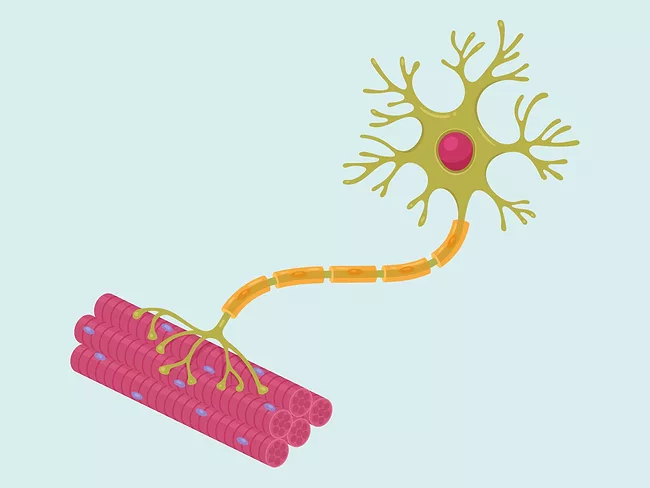
Superoxide dismutase 1 (SOD1) mutations were among the first genetic causes identified in familial amyotrophic lateral sclerosis (ALS) and confer a toxic gain-of-function that drives motor neuron degeneration via protein misfolding, oxidative stress, mitochondrial dysfunction and neuroinflammation.
Amyotrophic lateral sclerosis (ALS) is a fatal neurodegenerative disorder marked by progressive degeneration of upper and lower motor neurons, resulting in paralysis and death typically within 3-5 years of symptom onset. Historically, treatment options have been extremely limited. However, the identification of genetic contributors to ALS pathogenesis has enabled the application of antisense oligonucleotides (ASOs) to selectively modify or reduce the expression of disease-associated genes at the RNA level.
Researchers from Wuhan Institute of Biomedical Sciences, Jianghan University and collaborators recently showed that activating the endogenous transcription factors Ngn2 and Isl1 via CRISPRa can directly reprogram astrocytes into functional motor neurons in the mouse spinal cord.
Epilepsygtx Ltd. has raised a $33 million series A to fund a phase I/IIa trial of EPY-201, a gene therapy for treating drug-resistant focal epilepsy. EPY-201 uses an adeno-associated viral vector to deliver KCNA1, the gene encoding Kv1.1, a potassium ion channel that modulates neuronal excitability.
Researchers from Neumirna Therapeutics ApS have presented an anti-miR-134 ASO approach named NMT.001 for the potential treatment of drug-resistant epilepsy.
Mutations in the KCNT1 gene produce gain-of-function effects that lead to overactivation of the potassium channel and consequent disruption of normal neuronal electrical signaling. These alterations give rise to a severe, early-onset developmental and epileptic encephalopathy that is typically associated with a high seizure burden and resistance to standard antiseizure medications.
In an alternative to small molecules, researchers at the University of Ferrara and Università degli Studi di Padova sought to create an NOP agonist based on peptides, specifically dimers of peptides derived from native nociceptin.
The ALS Association has announced the recipients of its 2025 Hoffman ALS Clinical Trial Awards. These research grants, worth up to $1 million each, support early-phase trials that generate critical data to accelerate the development of new amyotrophic lateral sclerosis (ALS) treatments.
At the Clinical Trials on Alzheimer’s Disease 2025 meeting, a panel of experts discussed the need for developing combination therapies for the complex diseases that result in Alzheimer's disease and other dementias.
 RSS
RSS