Yichang Humanwell Pharmaceutical Co. Ltd. has discovered nociceptin receptor (OPRL1; KOR3; ORL1) agonists reported to be useful for the treatment of pain.
Researchers from Iama Therapeutics Srl and the Italian Institute of Technology have prepared and tested solute carrier family 12 member 2 (SLC12A2; NKCC1) inhibitors reported to be useful for the treatment of complex regional pain syndromes, Alzheimer’s disease, Down syndrome, glioma, Rett syndrome, temporal lobe epilepsy, traumatic brain injury and obsessive-compulsive disorder.
Muna Therapeutics ApS has synthesized triggering receptor expressed on myeloid cells 2 (TREM2) agonists reported to be useful for the treatment of Alzheimer’s disease, inflammatory bowel disease, metabolic syndrome, multiple sclerosis, obesity, Parkinson’s disease, rheumatoid arthritis and stroke, among others.
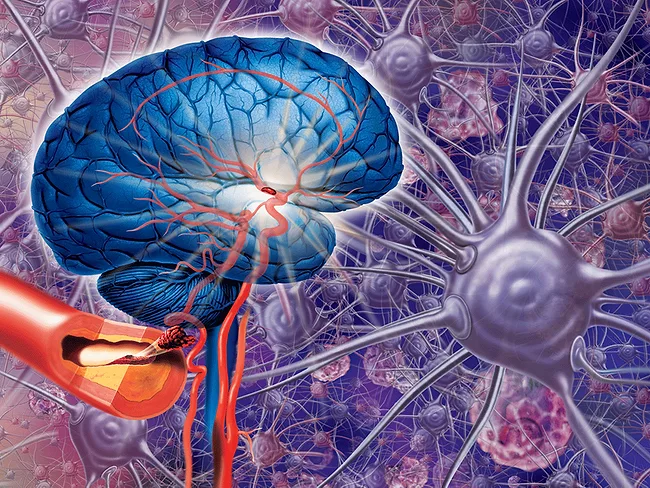
Intracerebral hemorrhage accounts for 10%-15% of all cases of stroke, and it is associated with particularly poor prognosis due to primary and secondary brain injury driven by neuroinflammation. This inflammation involves the activation and subsequent pyroptosis, or lytic cell death, of microglia.
Chitinase-3-like protein 1 (CHI3L1) is a secretory glycoprotein from the glycoside involved in the regulation of immune and inflammatory responses. In the brain, CHI3L1 is primarily produced by activated astrocytes, where it is involved in inflammatory neurotoxicity, emerging as a potential biomarker of neuroinflammatory disorders, such as Alzheimer’s disease.
An experimental gene therapy based on the prime editing technique could become an effective treatment for alternating hemiplegia of childhood, a severe and currently incurable rare disease. David Liu’s lab at the Broad Institute, the inventor of this gene edition methodology, together with scientists from The Jackson Laboratory, successfully reversed the effects of five mutations associated with this disorder in a mouse model.
Researchers from Biotiche Drug Discovery Srl and collaborators have discovered that modulating the activity of a specific family of potassium channels, known as Kv3 channels, can have beneficial effects on the progression of amyotrophic lateral sclerosis (ALS) in a mouse model of the disease. The study, published in the journal Acta Neuropathologica Communications, provides new insights into the role of these channels in skeletal muscle function and their potential as a therapeutic target for ALS.
Dewpoint Therapeutics Inc. has described TAR DNA-binding protein 43 (TARDBP; TDP-43) modulators reported to be useful for the treatment of traumatic brain injury, frontotemporal dementia and amyotrophic lateral sclerosis.
Stroke is the third leading cause of disability worldwide, and its incidence is expected to increase as the global population ages. Idebenone can promote recovery after stroke, but it is less effective during the acute phase of stroke.
Congruence Therapeutics Inc. has received a research grant of $5 million from The Michael J. Fox Foundation for Parkinson's Research (MJFF) to advance its GCase-targeting small molecules for GBA1 Parkinson’s disease. Mutations of the GBA1 gene, encoding the enzyme GCase, represent the single largest genetic risk factor for Parkinson’s disease.
 RSS
RSS