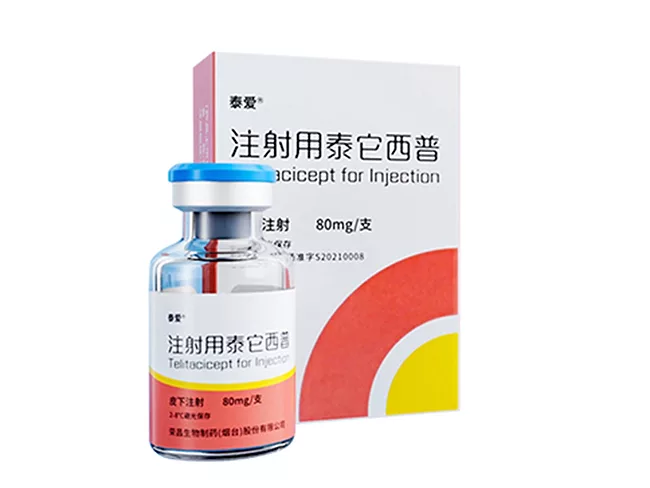
Remegen Co. Ltd. emerged as a surprise challenger in the generalized myasthenia gravis space, unveiling positive phase III data of its China-approved lupus drug, telitacicept (RCT-18; Tai’ai), in the rare autoimmune neuromuscular disorder at the 2025 American Academy of Neurology conference.
Researchers from Sanofi SA reported the preclinical characterization of SAR-446159 (ABL-301), a bispecific antibody construct comprising an antibody targeting α-synuclein fused to an engineered antibody fragment that targets IGF-1R and functions as a blood-brain barrier (BBB) shuttle, known as the Grabody-B platform.
BDNF is the brain’s most abundant neurotrophic factor, playing a key role in neuronal survival and synaptic plasticity through the activation of the transcription factor CREB, which is essential for driving beneficial effects in neurons. CREB is downregulated in Parkinson’s disease, Huntington’s disease, frontotemporal dementia, Alzheimer’s disease and other neurodegenerative conditions.
Transferrin receptor (TfR)-mediated transcytosis is a receptor-mediated mechanism for drug delivery to the brain or other tissues, where, after the antibody binds to transferrin, the therapeutic agent is internalized and released into the brain.
The current treatment strategies for neurodegenerative diseases focus on targeting Aβ in Alzheimer’s disease (AD), α-synuclein aggregates in Parkinson’s disease (PD) and anti-tau therapies, which are primarily used in AD but are also being explored for PD. At the 2025 International Conference of Alzheimer’s & Parkinson’s Disease and Related Neurological Disorders, Aditya Iyer, senior RD scientist from Amyl Therapeutics Srl, presented data on an option which could potentially serve as a pan-amyloid therapeutic.
Researchers from George Washington University filed for protection of a system and method that leverages generative models, specifically Variational Autoencoders, to conduct functional connectivity analysis from functional magnetic resonance imaging scans.
ABL Bio Inc. announced April 7 that it sealed a potential £2.075 billion (US$2.65 billion) license deal with GSK plc, granting GSK global rights to use ABL’s blood-brain barrier (BBB) penetrating bispecific antibody platform, Grabody-B, to develop multiple programs in the neurodegenerative disease arena. Under the terms signed April 5, ABL agreed to transfer Grabody-B-related technology and know-how to GSK, upon which GSK will assume responsibility for preclinical and clinical development, manufacturing and commercialization.
China approved 48 first-in-class innovative drugs, as well as a significant number of medications for pediatric and rare diseases, thanks to measures aimed at enhancing review efficiency and accelerating patient access to novel therapies, according to a report released by China’s National Medical Products Administration.
Sumitomo Pharma Co. Ltd. announced that it will sell off two more of its subsidiaries, Sumitomo Pharma (China) Co. Ltd. and Sumitomo Pharma Asia Pacific Pte. Ltd. (and their subsidiaries), to Marubeni Global Pharma Corp. April 1, as the Japanese pharma continues restructuring efforts from last year.
Nissan Chemical Corporation and Sanwa Kagaku Kenkyusho Co. Ltd. (SKK) have entered an agreement to codevelop SK-2407/SN-001 for the treatment of dentatorubral-pallidoluysian atrophy (DRPLA) in Japan.
 RSS
RSS