Alchemab Therapeutics Ltd. has entered into a licensing agreement with Eli Lilly and Co. for ATLX-1282, Alchemab’s first-in-class IND-ready program targeting a novel receptor and mechanism for amyotrophic lateral sclerosis (ALS) and other neurodegenerative conditions.
PTC Therapeutics Inc. CEO Matthew Klein said the firm “achieved all we set out to [achieve] in phase II” with PTC-518 in Huntington’s disease (HD), but it wasn’t enough to excite Wall Street, as some questioned whether the level of associations between trial findings and efficacy would appease the U.S. FDA. Shares (NASDAQ:PTCT) ended May 5 at $40.65, down $9.30, or 18.6%. Warren, N.J.-based PTC rolled out the most recent data from the Pivot-HD effort in stage 2 and stage 3 HD with PTC-518, an oral, centrally as well as peripherally distributed huntingtin (HTT) pre-mRNA splicing modifier.
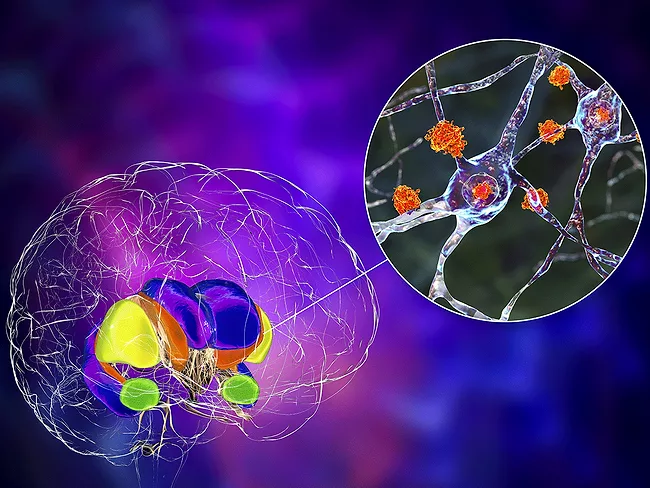
Abnormal aggregation of α-synuclein is thought to contribute to the pathology of Parkinson’s disease, the second most frequent neurodegenerative disorder. Therefore, developing drugs that prevent such aggregation could be effective for slowing or even preventing the disease.
Following a complete response letter last year, Satsuma Pharmaceuticals Inc. received U.S. FDA approval of dihydroergotamine nasal powder to treat acute migraine with or without aura. Branded Atzumi, it is the first product that uses Satsuma’s SMART (Simple MucoAdhesive Release Technology) platform that combines an advanced powder and device technology aimed at making delivery more simple.
Following a complete response letter last year, Satsuma Pharmaceuticals Inc. received U.S. FDA approval of dihydroergotamine nasal powder to treat acute migraine with or without aura. Branded Atzumi, it is the first product that uses Satsuma’s SMART (Simple MucoAdhesive Release Technology) platform that combines an advanced powder and device technology aimed at making delivery more simple.
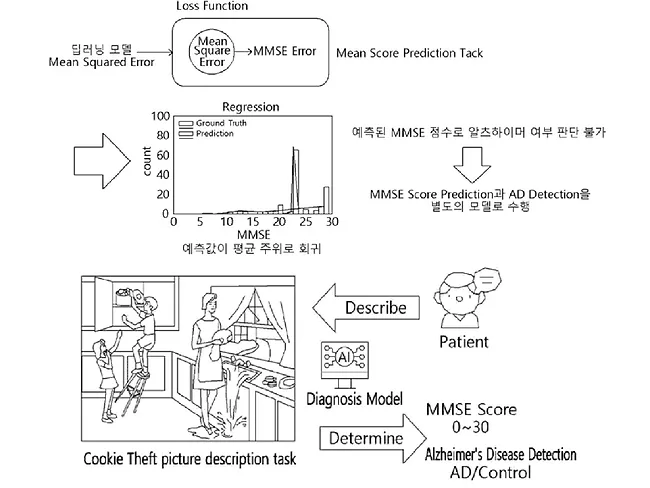
Seoul, South Korea-based Voinosis Co. Ltd. filed for potential worldwide protection of its AI-based system that allows for the early detection cognitive impairment, dementia, Alzheimer’s disease and hearing loss through voice analysis.
Unravel Biosciences Inc. has submitted clinical study applications in Colombia seeking to begin proof-of-concept clinical trials for RVL-001 for Rett syndrome and Pitt-Hopkins syndrome.
The U.S. Centers for Medicare & Medicaid Services will hold an advisory meeting regarding devices for treatment of symptoms for Parkinson’s disease, but the agency indicated that it expects to see longer-term data for these treatments if manufacturers want Medicare coverage.
 RSS
RSS