University College Cardiff Consultants Ltd. has identified miglustat prodrugs reported to be useful for the treatment of lysosomal storage diseases, Down syndrome and neurodegenerative disorders.
Researchers from China Pharmaceutical University and Jiangsu Nhwa Pharmaceutical Co. Ltd. have synthesized azetidine-containing compounds acting as muscarinic M4 receptor positive allosteric modulators (PAMs) reported to be useful for the treatment of Alzheimer’s disease, asthma, pain, schizophrenia, pulmonary hypertension, Huntington’s disease, Parkinson’s disease and sleep disorders among others.
Despite being known for more than 150 years, Duchenne muscular dystrophy (DMD) remains an untreatable disease affecting approximately 1 of every 3,500-5,000 males. Muscles in patients express no or inactive dystrophin, rendering them weak and less mobile.
The specific tau isoforms, such as 3-repeat (3R) and 4-repeat (4R) isoforms, and the distinct conformational strains that misfolded tau can adopt are determinants of the molecular and clinical heterogeneity observed across tauopathies.
In a newly published study, researchers from the CSIR Institute of Genomics and Integrative Biology and collaborators further explored the potential of Cdk5 targeting as a therapeutic approach for type 2 diabetes and cognitive deterioration.
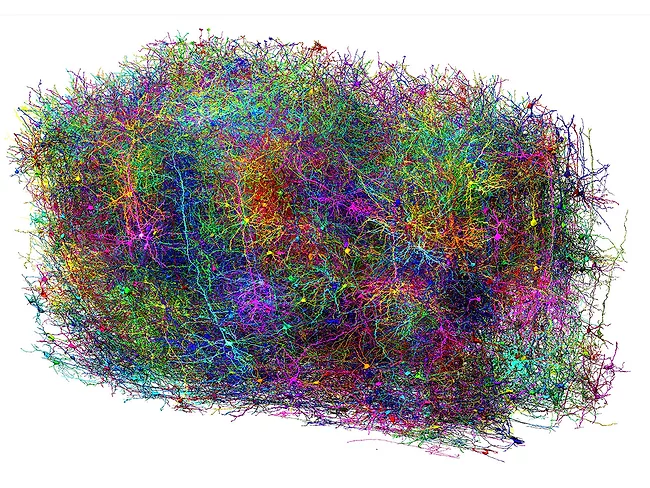
Scientists from the Machine Intelligence from Cortical Networks (MICRONS) consortium have published the microconnectome of a cubic millimeter of the mouse brain. This is the most complete map of this organ to date at nanometer resolution for a mammal. It not only contains the structure and connections of each and every cell in that volume of tissue, but is also linked to the neuronal activity of that portion of the CNS, linking anatomy and function in the same cells.
Researchers from the University of Cincinnati filed for protection of an electrochemical aptamer-based biosensor technology with improved sensitivity and longevity, which has the potential for monitoring several biomarkers over sustained periods.
Tryptamine Therapeutics Ltd. is gearing up to enter the clinic with lead compound TRP-8803, an intravenous-infused psilocybin therapy, in patients with binge eating disorder in conjunction with psychotherapy.
Alzheon Inc.’s oral treatment for people in the early stages of Alzheimer’s disease missed its phase III primary endpoint, adding yet another therapy to a long list by many developers that can’t beat dementia. The study also received grant money, which is in increasingly short supply.
 RSS
RSS