The specific tau isoforms, such as 3-repeat (3R) and 4-repeat (4R) isoforms, and the distinct conformational strains that misfolded tau can adopt are determinants of the molecular and clinical heterogeneity observed across tauopathies.
In a newly published study, researchers from the CSIR Institute of Genomics and Integrative Biology and collaborators further explored the potential of Cdk5 targeting as a therapeutic approach for type 2 diabetes and cognitive deterioration.
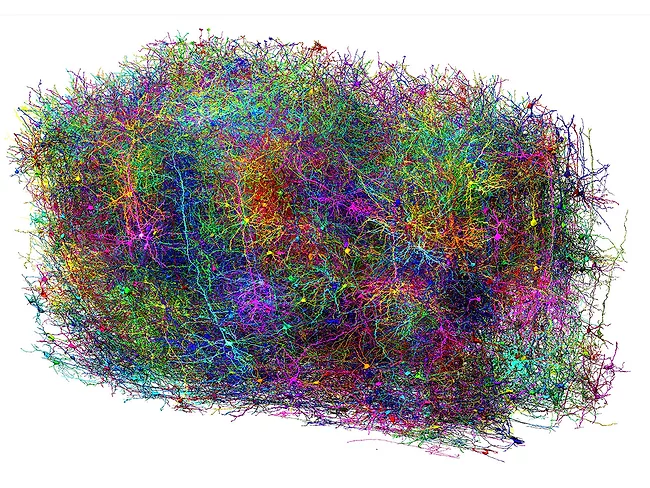
Scientists from the Machine Intelligence from Cortical Networks (MICRONS) consortium have published the microconnectome of a cubic millimeter of the mouse brain. This is the most complete map of this organ to date at nanometer resolution for a mammal. It not only contains the structure and connections of each and every cell in that volume of tissue, but is also linked to the neuronal activity of that portion of the CNS, linking anatomy and function in the same cells.
Researchers from the University of Cincinnati filed for protection of an electrochemical aptamer-based biosensor technology with improved sensitivity and longevity, which has the potential for monitoring several biomarkers over sustained periods.
Tryptamine Therapeutics Ltd. is gearing up to enter the clinic with lead compound TRP-8803, an intravenous-infused psilocybin therapy, in patients with binge eating disorder in conjunction with psychotherapy.
Alzheon Inc.’s oral treatment for people in the early stages of Alzheimer’s disease missed its phase III primary endpoint, adding yet another therapy to a long list by many developers that can’t beat dementia. The study also received grant money, which is in increasingly short supply.
The current treatment strategies for neurodegenerative diseases focus on targeting Aβ in Alzheimer’s disease (AD), α-synuclein aggregates in Parkinson’s disease (PD) and anti-tau therapies, which are primarily used in AD but are also being explored for PD. At the 2025 International Conference of Alzheimer’s & Parkinson’s Disease and Related Neurological Disorders, Aditya Iyer, senior RD scientist from Amyl Therapeutics Srl, presented data on an option which could potentially serve as a pan-amyloid therapeutic.
In Parkinson’s disease (PD), damaged mitochondria build up in the dopaminergic system of the substantia nigra, partly due to impaired mitochondrial autophagy (mitophagy) and autophagosome accumulation.
Nitrated α-synuclein is upregulated in the CSF of patients with Parkinson’s Disease (PD), Lewy body dementia (DLB), multiple system atrophy (MSA), and other synucleinopathies.
Researchers from Voyager Therapeutics Inc. presented preclinical activity data of VY-1706, a blood-brain barrier (BBB)-penetrant gene therapy comprising an adeno-associated virus serotype 9 capsid (AAV9-C9P39) vector encoding primary artificial microRNA (pri-amiRNA) consisting of short-interfering RNA (siRNA) targeting human microtubule-associated protein tau (MAPT) protein.
 RSS
RSS