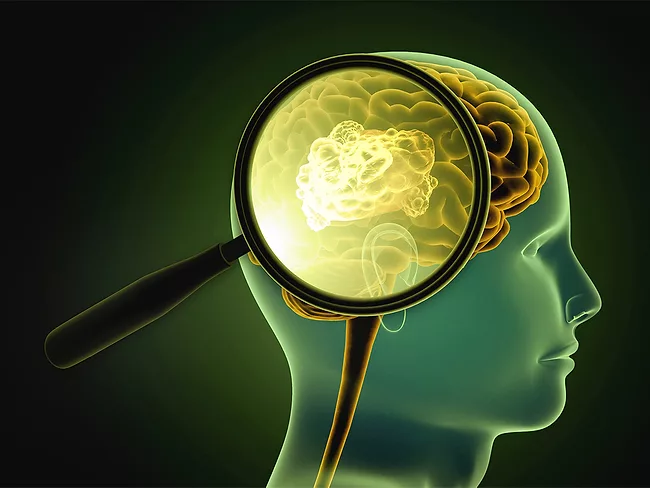
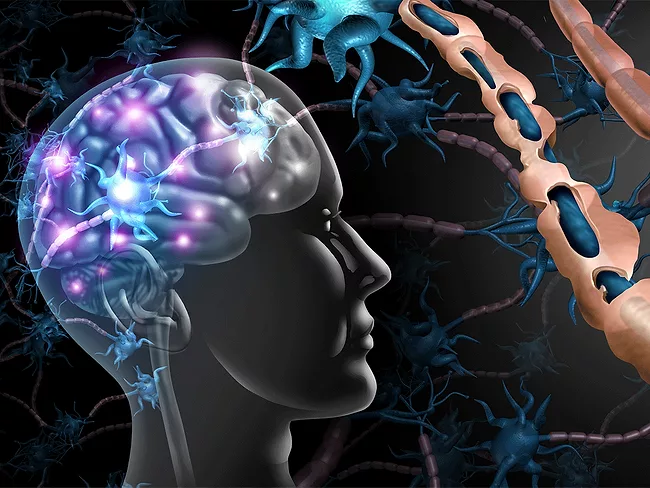
Researchers at the University of Sydney have uncovered a mechanism that may explain why glioblastoma returns after treatment, and the world-first discovery offers new clues for future therapies. Glioblastoma is one of the deadliest brain cancers, accounting for about half of all brain tumors, with a median survival rate of just 15 months. Despite surgery and chemotherapy, more than 1,250 clinical trials over the past 20 years have struggled to improve survival rates.
Acryl Inc. debuted on South Korea’s Kosdaq Dec. 16, raising ₩42.12 billion ($28.5 million) in an IPO. Shares (KOSDAQ:0007C0) closed at ₩67,000 on the first day, up 243.5% from its offering price, before closing 30% down on Dec. 17 at ₩47,500. Seoul, South Korea-based Acryl sold 2.16 million shares priced at ₩19,500 each. Notably, Acryl won South Korea Ministry of Food and Drug Safety approval of Acryl-D01 software in December 2024, making it the country’s first AI-based digital therapeutic solution for depression screening and diagnosis. The generative AI-based medical software is cleared to analyze patient interviews and medical records and provide a probability score for clinical depression.
Scientists at Osaka University and Tokyo University of Science have described compounds targeting Claudin-5 (CLDN5) acting as blood-brain barrier (BBB) permeability regulators reported to be useful for the treatment of sepsis, cerebral edema, infections, epilepsy, multiple sclerosis, psychiatric disorders, Alzheimer’s disease and Parkinson’s disease, among others.
Researchers at Meiji Seika Pharma Co. Ltd., National Center of Neurology & Psychiatry and Tokyo University of Pharmacy & Life Sciences have synthesized NAD(+) H\hydrolase SARM1 (SAMD2; MyD88-5) inhibitors reported to be useful for the treatment of neurodegeneration.
Pheno Therapeutics Ltd. has disclosed uracil nucleotide/cysteinyl leukotriene receptor (GPR17; P2Y-Like) antagonists reported to be useful for the treatment of multiple sclerosis, amyotrophic lateral sclerosis, Alzheimer’s disease and Parkinson’s disease.
Tonix Pharmaceuticals Holding Corp. has licensed exclusive worldwide rights to TNX-4900 (formerly PW-507) from Rutgers University. TNX-4900 is a highly selective, small-molecule sigma-1 receptor (S1R) antagonist, which has demonstrated analgesic activity in multiple models of neuropathic pain.
ADEL Inc. closed a year-end licensing deal worth up to $1.04 billion with Sanofi SA for ADEL-Y01, a specific tau-targeting Alzheimer’s disease drug candidate in a U.S. phase I study.
Formation Bio Inc. acquired ex-China rights to Lynk Pharmaceuticals Co. Ltd.’s oral TYK2-inhibitor, LNK-01006, for up to $605 million. The phase I-ready central nervous system (CNS) candidate will be developed at Formation’s newly formed subsidiary, Bleecker Bio.
Superoxide dismutase 1 (SOD1) mutations were among the first genetic causes identified in familial amyotrophic lateral sclerosis (ALS) and confer a toxic gain-of-function that drives motor neuron degeneration via protein misfolding, oxidative stress, mitochondrial dysfunction and neuroinflammation.
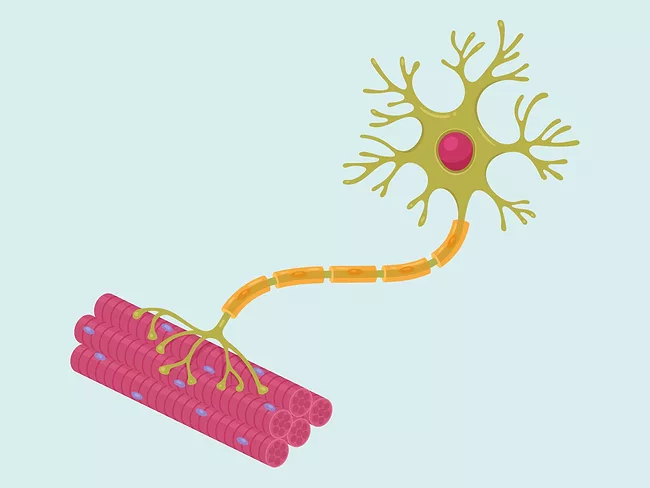
Amyotrophic lateral sclerosis (ALS) is a fatal neurodegenerative disorder marked by progressive degeneration of upper and lower motor neurons, resulting in paralysis and death typically within 3-5 years of symptom onset. Historically, treatment options have been extremely limited. However, the identification of genetic contributors to ALS pathogenesis has enabled the application of antisense oligonucleotides (ASOs) to selectively modify or reduce the expression of disease-associated genes at the RNA level.
 RSS
RSS