Grail Inc.’s multi-cancer early detection test, Galleri, preferentially screens for aggressive prostate cancer, addressing concerns about overdiagnosis and subsequent overtreatment of indolent cancers, a study published in JCO Precision Oncology demonstrated.
Less than two months after the June spin-off of Grail Inc. (again), Illumina Inc. revealed a new strategy to cut costs and lift sales growth by focusing on the rapidly evolving multiomics space. Grail, meanwhile, unveiled its own plans to retool, going all in on multi-cancer early detection and cutting headcount 30%.
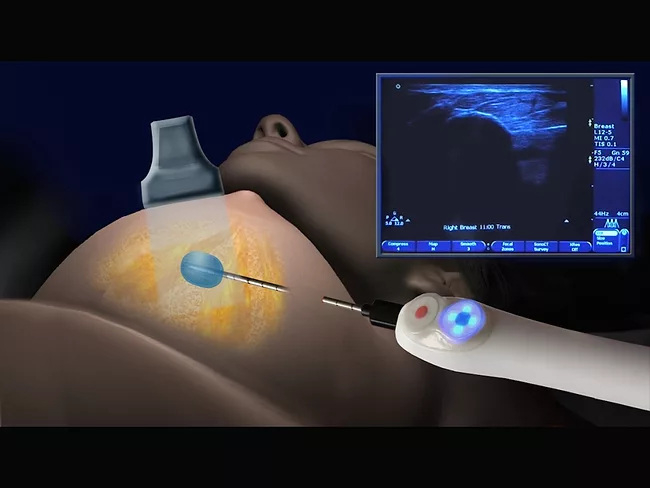
Icecure Medical Ltd.’s Prosense system demonstrated a 100% success rate in destroying breast cancer tumors that were less than or equal to 25 millimeters, according to a study published in the British Journal of Radiology.
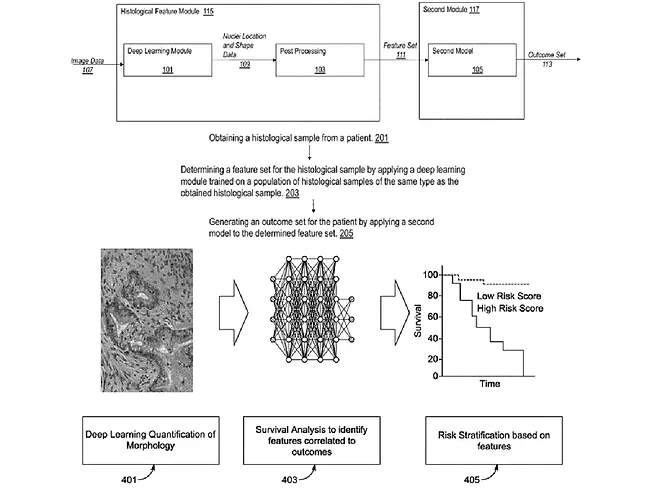
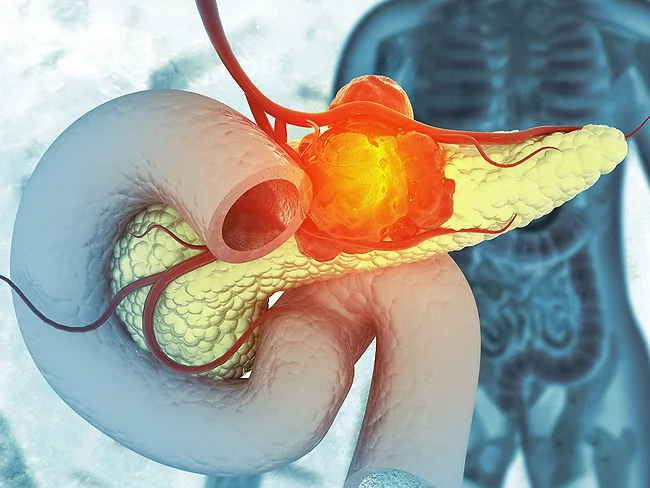
In what represents just the second PCT filing to have emerged from Valar Labs Inc., the company’s co-founders – Joshi Anirudh, Viswesh Krishna, and Damir Vrabac – describe their development of an AI-derived histologic signature for predicting patient outcomes to treatments for pancreatic cancer.
Lest there’s any confusion, Lucid Diagnostics Inc. published promising results from a third study showing the benefit of its non-invasive Esoguard test for detecting esophageal cancer and precancer conditions.
Immunovia AB significantly increased the accuracy of its test for the early detection of pancreatic cancer, achieving an 85% sensitivity and a specificity of 98%.
Stryker Corp. continued its recent buying spree with the purchase of Molli Surgical Inc., a company that develops wire-free soft tissue localization technology for breast-conserving surgery. Styker said Molli’s offerings strengthen its advancing surgical solutions in breast cancer care.
The U.S. Agency for Healthcare Research and Quality posted a request for information on the current state of multi-cancer screening tests for a review that poses several questions.
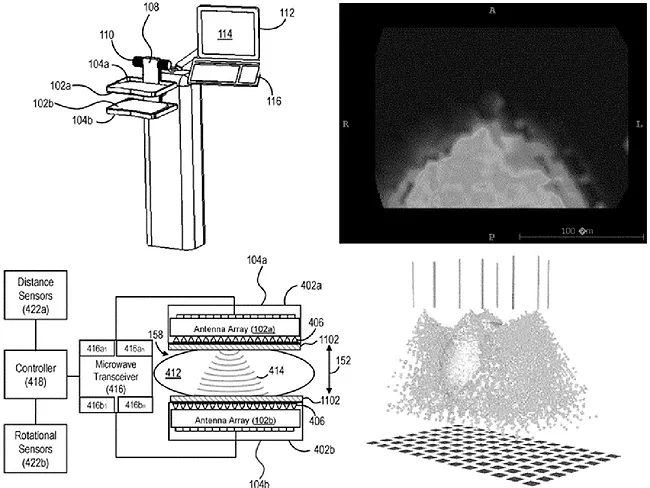
The first patenting to be published in the name of Wave View Imaging Inc. sees its co-founders file for additional protection of their imaging technology which can be used to monitor breast cancer treatment.
The U.S. FDA accepted Telix Pharmaceuticals Ltd.’s new drug application for TLX-007-CDx, a new cold kit for preparing prostate-specific membrane antigen-PET imaging for prostate cancer.
 RSS
RSS