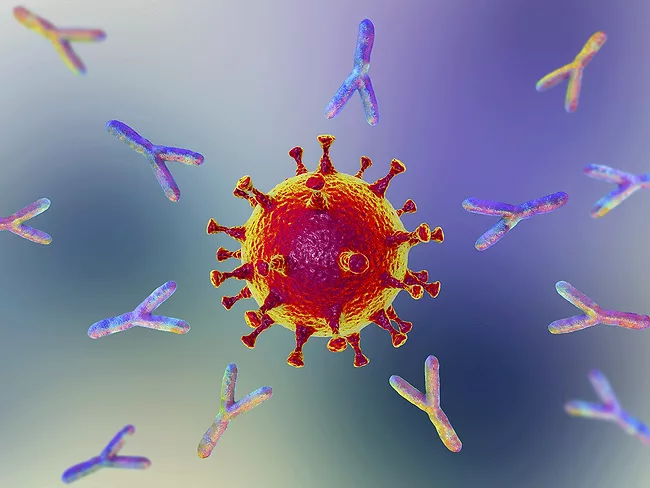
LONDON – A fourth COVID-19 vaccine is on the road to approval in Europe, with Novavax Inc. announcing positive interim data from the phase III U.K. trial of NVX-CoV2373. The vaccine was 89.3% effective at a time when there was a high rate of infection in the country, and in the face of the newly identified variant, B 1.1.7, which is more transmissible. There also was positive data, though slightly less sparkly, from a phase IIb study in South Africa, where NVX-CoV2373 showed 60% efficacy in preventing mild, moderate and severe COVID-19 disease.
When it comes to leveling the playing field for foreign-based biopharma and medical device companies, China has made a lot of promises, but delivering on those promises is what matters.
Regeneron Pharmaceuticals Inc. posted positive initial results from its ongoing phase III study of its monoclonal antibody cocktail, REGEN-COV (casirivimab and imdevimab), used as a passive vaccine, designed to provide immediate short-term passive immunity to prevent COVID-19 in people at high risk of infection due to household exposure to a COVID-19 patient. Eli Lilly and Co. reported upbeat news the same day, as the phase III Blaze-1 trial testing its antibody cocktail met its primary and key secondary endpoints.
In signing an executive order (EO) on strengthening American manufacturing Jan. 25, President Joe Biden made it clear that the order is aimed at more than infrastructure. While Biden’s Build Back Better Recovery Plan calls for investing hundreds of billions of dollars in buying American products and materials to modernize the nation’s infrastructure and increase its competitiveness, “it also means replenishing our stockpiles to enhance our national security,” the president said.
Following the FDA giving the green light to seven new medicines in December, it brought the approval total of new molecular entities (NMEs) in 2020 to 53, an amount that equals the number of new medicines that were approved in 1996 and ranking it second equal all-time just behind the 59 NMEs that were approved in 2018.
A consequence of one of President Joe Biden’s first executive orders (EOs) is that some low-income patients may have to wait at least two more months to get the out-of-pocket relief they were promised for insulin and injectable epinephrine.
Busting a logjam of inadequate data sharing methods and communications between pharmas and health authorities around the world is the impetus behind the creation of nonprofit Accumulus Synergy Inc., whose common, cloud-based platform is designed to make the regulatory process easier for everyone involved. The coalition’s initial membership is a Who’s Who of big pharma: Amgen Inc., Astellas Pharma Inc., Bristol Myers Squibb Co., Glaxosmithkline plc, the Janssen Pharmaceutical Cos. of Johnson & Johnson, Eli Lilly and Co., Pfizer Inc., Roche Holding AG, Sanofi SA and Takeda Pharmaceutical Co. Ltd.
Antibody development for treating COVID-19 continues producing positive results, the latest being from Eli Lilly and Co.’s bamlanivimab (LY-CoV-555), which reduced nursing home residents’ risk of contracting symptomatic COVID-19 by 80%, according to new data from its phase III Blaze-2 study.
One of the side effects of COVID-19 is the acceleration of a shift in health care delivery that is changing how drug and device companies market their products to doctors. There’s no going back to the commercial model where having a sales rep call on a doctor was the way to market a product, Rita Numerof, CEO and co-founder of Numerof & Associates, said during a Jan. 21 webinar on the impact the pandemic has had on drug and device detailing.
When it comes to leveling the playing field for foreign-based biopharma and medical device companies, China has made a lot of promises, but delivering on those promises is what matters. Throughout its annual assessment for Congress of China’s commitment to World Trade Organization principles, the U.S. Trade Representative (USTR) noted the many promises China has made over the years that have yet to be kept.
 RSS
RSS