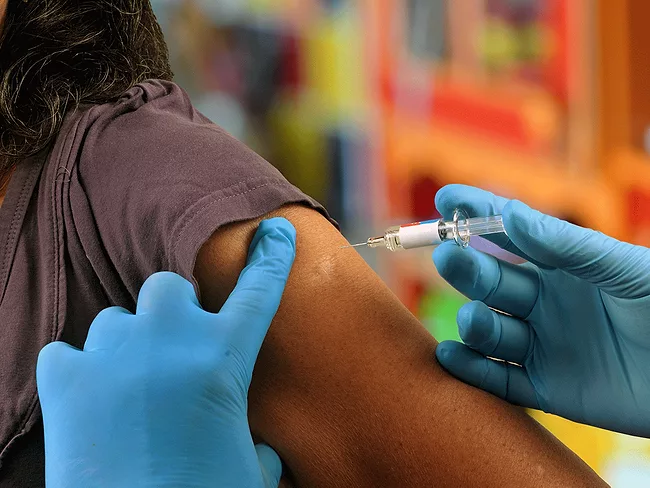
Shares of Humanigen Inc. (NASDAQ:HGEN) leapt 54.5% to $21.61 March 29 on news that its monoclonal antibody, lenzilumab, improved the relative likelihood of survival without mechanical ventilation in hospitalized patients with COVID-19, setting the company up to submit an application for emergency use authorization (EUA) in the U.S. "as soon as possible," it said. Separately, a combination of two monoclonal antibodies, the Eli Lilly and Co.-Abcellera Biologics Inc.-developed therapy bamlanivimab and the Vir Biotechnology Inc.-Glaxosmithkline plc candidate VIR-7831, demonstrated a 70% relative reduction in persistently high SARS-CoV-2 viral load at day seven compared to placebo for low-risk adult patients with mild to moderate COVID-19, the companies reported.
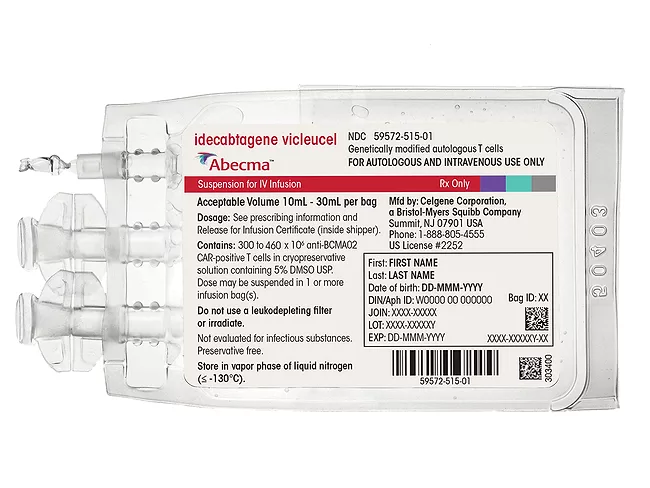
The first BCMA-targeted CAR T therapy, idecabtagene vicleucel, cleared FDA approval for use in adults with multiple myeloma (MM) who have received four or more prior lines of therapy. Developed by partners Bluebird Bio Inc. and Bristol Myers Squibb Co., the drug, branded Abecma, is also the first CAR T drug indicated for MM. It is designed for use as a one-time infusion, with a recommended dose range of 300 to 460 x 106 CAR-positive T cells. The personalized therapy will be produced at BMS’ cellular manufacturing facility in Summit, N.J. Bluebird developed the lentiviral vector used in Abecma.
If the biopharma industry thought its round-the-clock efforts and considerable financial investments in tackling COVID-19 would earn it good will in the U.S. Congress, those hopes were dashed March 23 when both Democrats and Republicans serving on a Senate Health, Education, Labor and Pensions subcommittee reverted to blaming drug companies for much of what’s wrong with the U.S. health care system.
LONDON – Positive interim data from the U.S. trial of Astrazeneca plc’s COVID-19 vaccine have added yet more evidence it is effective in older adults and quelled concerns about serious thrombotic events that led countries in Europe to pause use of the vaccine earlier this month. Overall, the vaccine showed 79% efficacy in preventing symptomatic COVID-19, and was 100% effective in preventing serious disease and hospitalization. The effect was comparable across different ethnicities and age groups, with 80% efficacy in participants over 65 years of age. The analysis is based on 141 cases of COVID-19 infection.
Now that Johnson & Johnson (J&J), through its Janssen Pharmaceuticals unit, has won the FDA’s nod for Ponvory (ponesimod), market factors will decide how the once-daily oral selective sphingosine-1-phosphate receptor 1 modulator fares against several others already approved in the class.
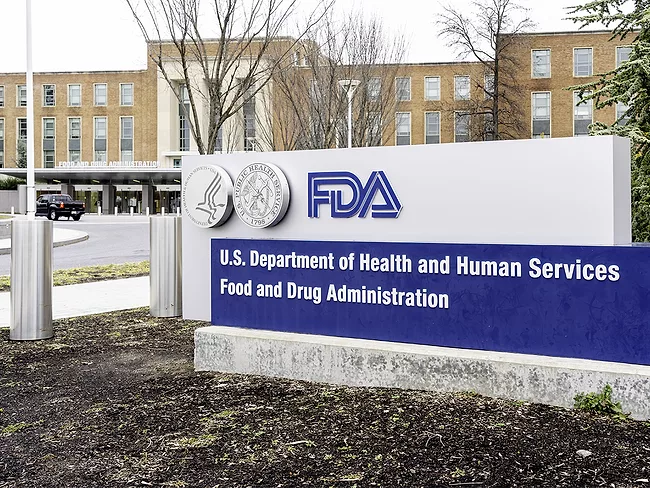
Although U.S. President Joe Biden has yet to nominate his choice to lead the FDA, his nomination of Xavier Becerra as the next Health and Human Services (HHS) secretary – and Becerra’s Senate confirmation March 18 – could signal a shift to a more conservative approach at the FDA when it comes to approving new drugs and devices.
A data-blocking rule set to go into effect in the U.S. April 5 could make it easier for sponsors to get the real-world data they need to demonstrate postmarket evidence of the safety and efficacy of their drugs and devices and to develop future products.
From the time it paused inspections of drug manufacturing sites a year ago due to the COVID-19 pandemic, the FDA conducted only three foreign “mission-critical” inspections in fiscal 2020. Those were in Canada, Germany and India, according to a new U.S. Government Accountability Office report.
China’s most important annual government meetings, known as the “Two Sessions,” kicked off March 4 and biopharma executives that were also delegates to the National People's Congress (NPC) suggested that approval for trials should be stricter to avoid repetitive R&D and called for innovative drugs to get into the state insurance list – and to patients – faster.
In a year impeded by the monumental challenges of a worldwide pandemic yet powered by near-record drug development and approvals, the Drugs to Watch 2021 report has narrowed a wide and tough field to four treatments that could achieve blockbuster status in the next five years. The drugs included in the report, an annual view of powerhouse drug development that Clarivate plc began issuing in 2013, are cited as possibly being well on their way to annual sales of more than $1 billion each.

 RSS
RSS