A flurry of deals focused on the neurological disease space in 2026 suggest large biopharma companies are searching for the next best therapeutics for everything from epilepsy and narcolepsy to post-traumatic stress disorder and hyperphagia.
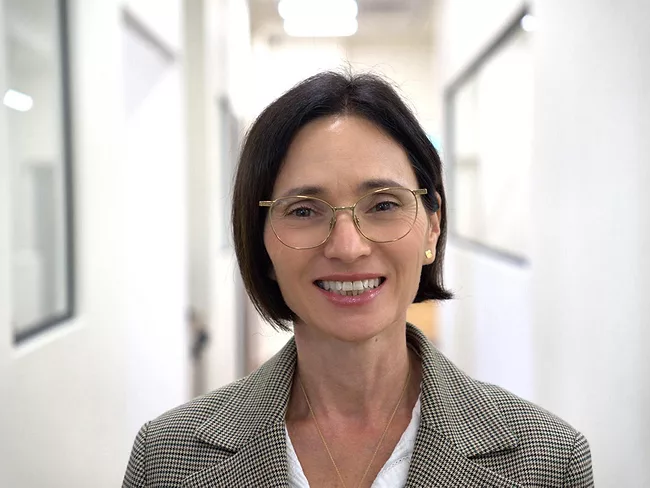
“Single drugs targeting single biological pathways are insufficient for complex diseases,” Remedy Cell Ltd. CEO Ayelet Dilion Mashiah told BioWorld. Remedy is taking a secretome-based approach to treat lung disorders, having moved its lead asset, RC-0315, into a first-in-human clinical trial for idiopathic pulmonary fibrosis (IPF) in January.
Naturecell Co. Ltd.’s U.S. subsidiary, Naturecell America, has received IND clearance from the FDA for Astrostem-AU, an autologous adipose-derived mesenchymal stem cell therapy for adults with autism spectrum disorder (ASD).
“Single drugs targeting single biological pathways are insufficient for complex diseases,” Remedy Cell Ltd. CEO Ayelet Dilion Mashiah told BioWorld. Remedy is taking a secretome-based approach to treat lung disorders, having moved its lead asset, RC-0315, into a first-in-human clinical trial for idiopathic pulmonary fibrosis (IPF) in January. Secretomes refer to the collection of bioactive molecules secreted by cells in the extracellular space, including proteins, enzymes, growth factors and extracellular vesicles such as exosomes.
Tr1x Inc. was founded with a simple but ambitious goal: to change how autoimmune and inflammatory diseases are treated, moving away from chronic treatment and toward durable cures. “We are trying to flip the script on regulatory T cells (Tregs),” Tr1x CEO David de Vries told BioWorld. “The goal is to reset the immune system rather than continuously suppress it, and we believe we have a unique technology to do that.”
Ernexa Therapeutics Inc. is advancing its lead program, ERNA-101, toward an IND submission in the third quarter of this year and the initiation of a first-in-human trial in the fourth quarter for the treatment of platinum-resistant ovarian cancer.
Excalipoint Therapeutics Inc. launched with an oversubscribed $68.7 million seed financing round to advance a portfolio of T-cell engagers for solid tumors, marking one of the largest early stage financings in China biotech history.
Excalipoint Therapeutics Inc. launched with an oversubscribed $68.7 million seed financing round to advance a portfolio of T-cell engagers for solid tumors, marking one of the largest early stage financings in China biotech history.
Excalipoint Therapeutics Inc. launched with an oversubscribed $68.7 million seed financing round to advance a portfolio of T-cell engagers for solid tumors, marking one of the largest early stage financings in China biotech history.
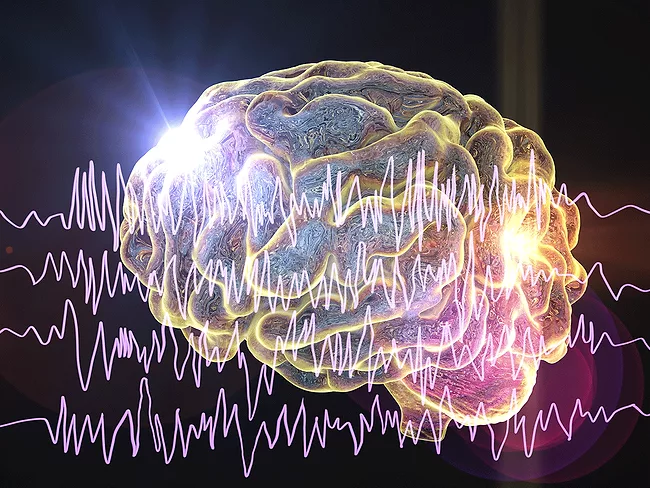
Shanghai Unixell Biotechnology Co. Ltd. has obtained IND clearance from the FDA for UX-GIP001, its iPSC-derived allogeneic cell therapy for focal epilepsy. A phase I study will evaluate UX-GIP001 in patients with drug-resistant epilepsy.
 RSS
RSS