Researchers have explored the effects of human umbilical cord mesenchymal stem cells (hUC-MSCs) on cognitive recovery in anti-N-methyl-D-aspartate receptor (NMDAR) encephalitis, a rare, neuronal antibody-mediated disorder characterized by neuropsychiatric symptoms and impaired cognitive function. hUC-MSCs have previously shown immunomodulatory and anti-inflammatory properties.
Researchers from Tr1x Inc. presented the development of TRX-319, a novel allogeneic regulatory T-cell therapy designed for the treatment of autoimmune disorders.
After raising $61 million in a series B round, Vibrant Therapeutics Inc. is gearing up to begin a U.S. phase I trial with its lead program, VIB-305, a masked T-cell engager (TCE) for treating EGFR-positive solid tumors.
After raising $61 million in a series B round, Vibrant Therapeutics Inc. is gearing up to begin a U.S. phase I trial with its lead program, VIB-305, a masked T-cell engager (TCE) for treating EGFR-positive solid tumors.
Astrazeneca plc is investing $15 billion in China through 2030 to expand R&D and manufacturing, marking one of the largest long-term investments by a multinational pharma company in the country. The U.K.-based company also struck a deal worth up to $3.5 billion with China’s CSPC Pharmaceuticals Group Ltd. to accelerate the development of next-generation therapies for obesity and type 2 diabetes.
Liver fibrosis in the course of metabolic dysfunction-associated steatohepatitis could be significantly reduced using CAR T-cells generated in vivo. Scientists at the Icahn School of Medicine at Mount Sinai have developed an experimental cell therapy that eliminates only one type of liver cell, the stellate cells that express fibroblast activation protein alpha. This strategy not only reduced fibrosis but also reversed liver damage.
Astrazeneca plc is investing $15 billion in China through 2030 to expand R&D and manufacturing, marking one of the largest long-term investments by a multinational pharma company in the country. The U.K.-based company also struck a deal worth up to $3.5 billion with China’s CSPC Pharmaceuticals Group Ltd. to accelerate the development of next-generation therapies for obesity and type 2 diabetes.
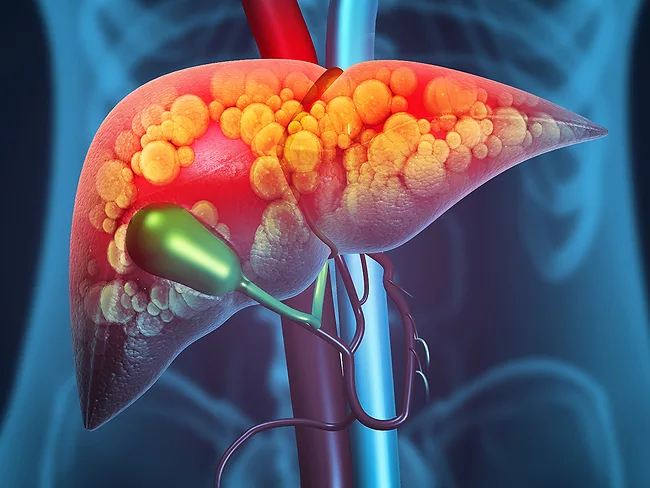
Liver fibrosis in the course of metabolic dysfunction-associated steatohepatitis (MASH) could be significantly reduced using CAR T-cells generated in vivo. Scientists at the Icahn School of Medicine at Mount Sinai have developed an experimental cell therapy that eliminates only one type of liver cell, the stellate cells that express fibroblast activation protein alpha (FAP). This strategy not only reduced fibrosis but also reversed liver damage.
Early data of Waldenström’s non-Hodgkin lymphoma patients enrolled in a trial testing Immunitybio Inc.’s off-the-shelf allogeneic CD19 chimeric antigen receptor natural killer cell therapy (CAR-NK), used in combination with anti-CD20 drug rituximab, led to durable complete responses without lymphodepletion.
CAR T cells have made headlines for their ability to fight hematological cancers, but they have proven largely ineffective against solid tumors. To fight such tumors, many groups have engineered T cells to carry T-cell receptors (TCRs) that target cancer antigens, but this approach requires using T cells taken from the patient and it is ineffective against parts of the tumor that have lost expression of the target antigen. As an alternative strategy, researchers at Zelluna ASA in Norway have engineered natural killer (NK) cells to express TCRs against solid tumor antigens.
 RSS
RSS