Opus Genetics Inc. will be sitting down with the U.S. FDA to talk about positive three-month data from the pediatric cohort of its ongoing phase I/II trial called OPGx-LCA5-1001 – partially funded by the agency – evaluating OPGx-LCA5, a gene augmentation therapy for ultra-rare Leber congenital amaurosis type 5 (LCA5). The affliction is a severe form of retinal dystrophy that renders babies blind in the first year of life.
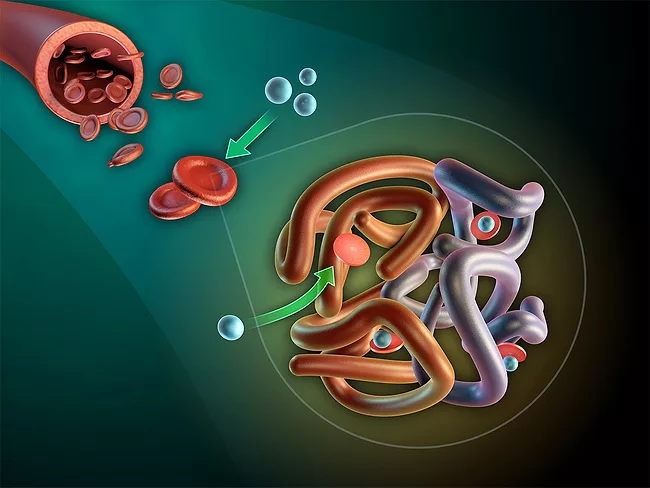
Sickle cell disease (SCD) and transfusion-dependent β-thalassemia (TDT) are severe monogenic blood disorders caused by mutations in the β-globin gene (HBB), resulting in abnormal or insufficient production of adult hemoglobin (HbA). Among emerging therapeutic approaches, the reactivation of fetal hemoglobin (HbF) represents one of the most promising strategies for both conditions.
The U.S. FDA released a trio of draft guidances to help sponsors in developing and monitoring cell and gene therapies, as well as other regenerative medicine therapies.
An ongoing concern for scientists is that there will be across-the-board funding cuts. This is already happening in mRNA research, where reductions affected coronavirus-related projects. During the pandemic, efforts focused on this pathogen, and once the health emergency was over, grants for antivirals were eliminated. However, these drugs could stem future outbreaks. Despite the cuts, recent research continues to demonstrate the potential of mRNA, not only for the development of antivirals, but also for obtaining more effective and longer-lasting vaccines.
Two months after starting the phase I/II Synrgy trial with its gene therapy, CAP-002, enrolling 12 pediatric patients with rare disease STXBP1 encephalopathy, Capsida Biotherapeutics paused the study following the death of the trial’s first patient.
Researchers from the University of California, Davis have designed a novel gene therapy vector that selectively targets and kills cells infected with Kaposi’s sarcoma-associated herpesvirus (KSHV).
Researchers at Sanofi SA have developed a promising gene therapy approach targeting the microtubule-associated protein tau (MAPT) for the treatment of Alzheimer’s disease.
Remedium Bio Inc. has entered into a multitarget research and development collaboration with Eli Lilly & Co. to advance gene therapies for type 2 diabetes and obesity using Remedium’s Prometheus dose-adjustable gene therapy platform.
Myotonic dystrophy type 1 (DM1) is a rare, progressive genetic disease that causes severe muscle weakness and other debilitating symptoms, such as compromised respiration and cardiac conduction abnormalities. No disease-modifying therapy exists for DM1, so care focuses on managing symptoms like arrhythmia, myotonia, hypertension, cataracts, respiratory issues and sleep disorders.
 RSS
RSS