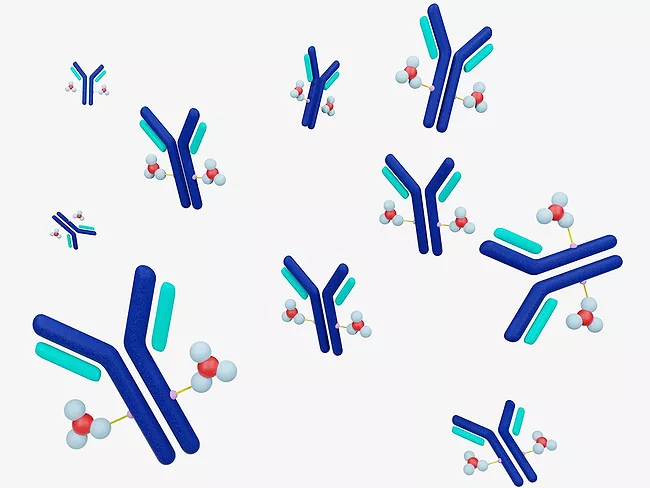
Avenzo Therapeutics Inc. has announced IND clearance by the FDA for AVZO-1418 (DB-1418), an EGFR/HER3 bispecific antibody-drug conjugate (ADC). A first-in-human phase I/II study will begin later this year and will evaluate AVZO-1418 as a single agent and in combination therapy in patients with advanced solid tumors.
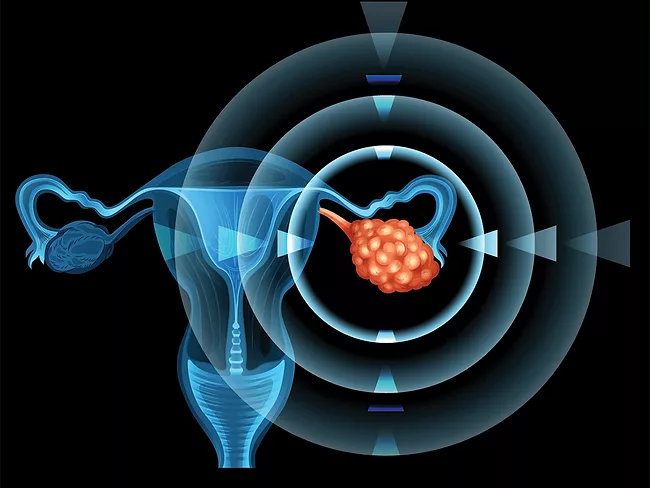
Ovarian cancer remains a leading cause of cancer-related deaths among women, with high recurrence rates and resistance to chemotherapy. CAR T-cell therapies present limited efficacy in solid tumors due to tumor heterogeneity and immune suppression in the tumor microenvironment.
ALX Oncology Holdings Inc. is set to begin phase I studies around the middle of this year with ALX-2004, an antibody-drug conjugate (ADC) for the treatment of EGFR-expressing solid tumors, following IND clearance last month.
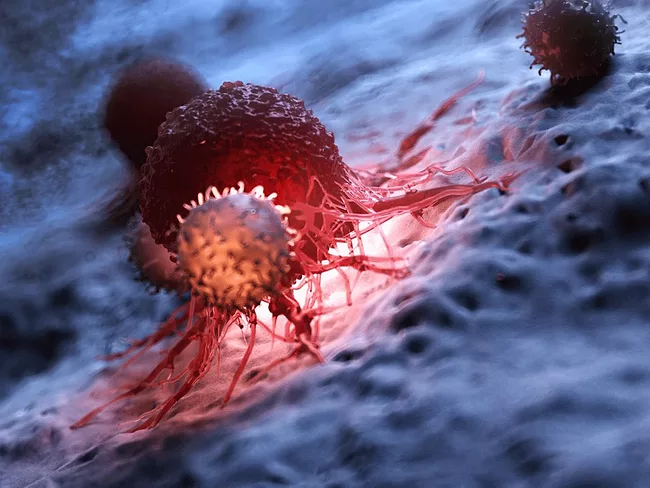
Oncolytic viruses trigger immunogenic cell death in tumors, releasing signals that activate innate immune cells and promote tumor-specific T-cell responses. While some oncolytic viruses, including FDA-approved T-VEC, have shown safety and some clinical benefit, their limited effectiveness as standalone treatments underscores the need for combination therapies.
CAR T-cell therapy for B-cell malignancies has still to be improved regarding durability, manufacturing complexity or toxicity, among others. Precigen Inc. has presented data regarding the preclinical development and efficacy of PRGN-3008, a PD-1-expression inhibitor cell therapy targeting CD19 that was built in a next-generation ultra CAR T platform.
Immune checkpoint inhibitors have revolutionized cancer therapy by reversing tumor-induced immunosuppression, but they fail to work for many patients because of resistance. In addition, they can reactivate immune pathways only from outside immune cells.
Minerva Biotechnologies Corp. recently released details on their work to develop a treatment for HER2-positive patients who have acquired resistance to Herceptin (trastuzumab) or Enhertu (trastuzumab-deruxtecan).
Pancreatic ductal adenocarcinoma (PDAC) accounts for more than 90% of cases of pancreatic cancer, and prognosis for PDAC remains poor despite treatment advances. One reason is that PDAC downregulates the display of antigens on the surface of tumor cells, helping it evade the patient’s immune system and therapies involving immune checkpoint inhibitors.
ADC Therapeutics SA has synthesized antibody-drug conjugates comprising antibody targeting neutral amino acid transporter B(0) (SLC1A5; ASCT2) covalently linked to exatecan through a linker reported to be useful for the treatment of cancer.
Pancreatic cancer is one of the deadliest malignancies, with a 5-year overall survival rate of only 13%. Earlier studies demonstrated that the Lister strain of oncolytic vaccinia virus (VVL) is capable of replicating and delivering therapeutic genes even under hypoxic conditions, highlighting its potential as a promising vector for targeting hypoxic tumors like pancreatic cancer.
 RSS
RSS