Junevity Inc. has raised $10 million in new funding, bringing its seed financing to a total of $20 million. The new funding will enable Junevity to advance JUN-01, its lead siRNA program for type 2 diabetes and obesity, through IND-enabling and initial clinical studies.
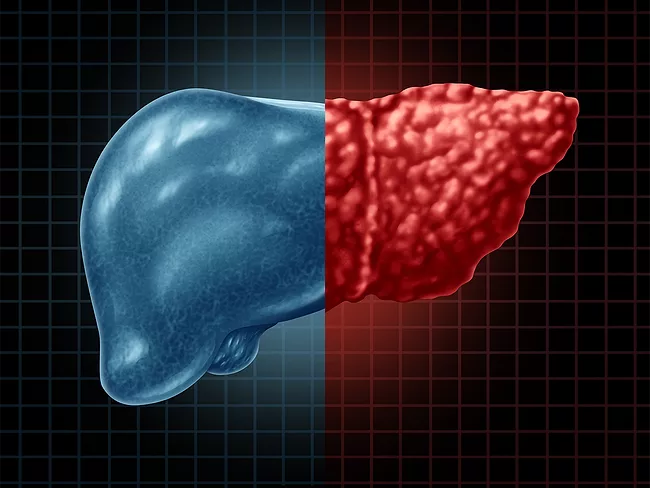
Tangram Therapeutics plc has submitted a clinical trial application (CTA) to the U.K.’s Medicines and Healthcare products Regulatory Agency (MHRA) to initiate a phase I/II trial of TGM-312 for metabolic dysfunction-associated steatohepatitis (MASH).
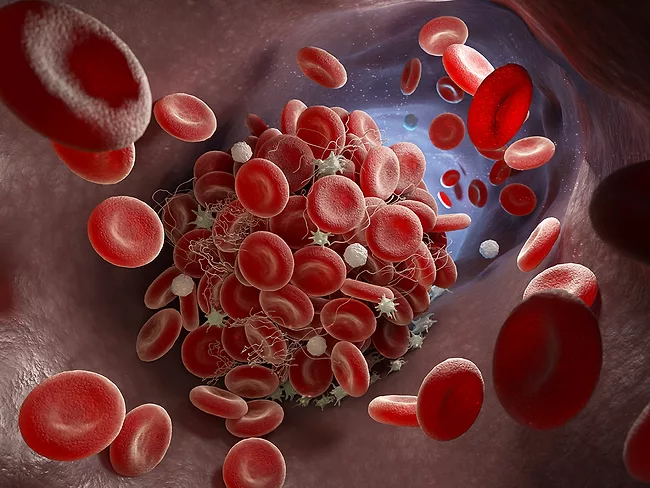
City Therapeutics Inc. has submitted a clinical trial application (CTA) to the U.K. Medicines and Healthcare Products Regulatory Agency (MHRA) to initiate a phase I study of CITY-FXI, an investigational RNAi therapeutic targeting factor XI (FXI) for the treatment of thromboembolic diseases.
Corsera Health Inc. has filed a clinical trial notification (CTN) seeking to initiate a phase I trial of COR-1004 in New Zealand. COR-1004 is a novel investigational subcutaneously administered siRNA targeting proprotein convertase subtilisin/kexin type 9 (PCSK9) to reduce LDL cholesterol (LDL-C).
Arrowhead Pharmaceuticals Inc. has filed a request for regulatory clearance in New Zealand to initiate a phase I/IIa trial of ARO-MAPT, the company’s investigational RNA interference (RNAi) therapeutic being developed as a potential treatment for tauopathies, including Alzheimer’s disease.
Arrowhead Pharmaceuticals Inc. has announced a global licensing and collaboration agreement with Novartis AG for ARO-SNCA, Arrowhead’s preclinical stage siRNA therapy for the treatment of synucleinopathies such as Parkinson’s disease, and for additional targets.
Partly focused on delivery challenges that have limited the reach of RNA medicines, new biotech company Axelyf Inc. closed a $2.6 million seed round to support development of its AXL technology and to advance lead autoimmune candidate AXL-003.
In Parkinson’s disease, α-synuclein accumulates in neurons and may thereby contribute to their degeneration. Reducing expression of α-synuclein may be an effective therapy, but delivering short interfering RNA (siRNA) to the brain noninvasively is notoriously ineffective, in part because siRNA does not pass the blood-brain barrier efficiently.
An RNA interference (RNAi) molecule that selectively targets the KRAS G12V mutation could represent a key advance in the treatment of cancer associated with this oncogenic variant. Researchers at the University of North Carolina (UNC) at Chapel Hill, in collaboration with Enfuego Therapeutics Inc., have developed a new RNAi designed to enter cells through the epidermal growth factor receptor (EGFR), which is commonly overexpressed in tumor cells. This targeted entry pathway could minimize the side effects associated with therapies that affect KRAS.
Silexion Therapeutics Corp. has released preclinical data demonstrating the efficacy of its next-generation RNA interference (RNAi) therapeutic candidate, SIL-204, against human pancreatic, colorectal and lung cancer cell lines.
 RSS
RSS






.webp?height=488&t=1750428815&width=650 "Interfering RNA (RNAi)")