Orionis Biosciences Inc. is sticking with Genentech Inc. in a second deal to discover small-molecule monovalent glue therapies for treating cancer. Privately held Orionis is getting $105 million up front and could earn more than $2 billion in R&D, development, commercial and net sales milestones, plus royalties. The multiyear collaboration calls for Orionis to handle discovery and optimization of molecular glues, with Genentech in charge of later-stage preclinical and clinical development, regulatory filing and commercialization of any small molecules the partnership produces.
The credibility gap in psychedelic drug development continues to narrow with positive top-line data from a Beckley Psytech Ltd. phase IIa study in depression. The results keep the treatment into a tight race with GH Research plc, which also has an inhalable drug in development.
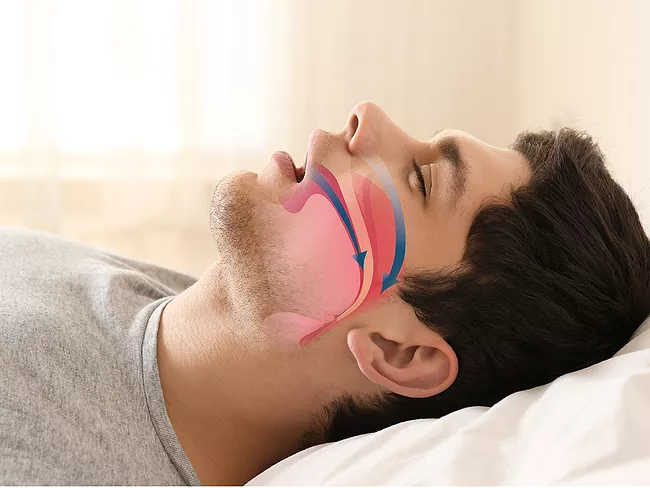
Mirroring results reported in a phase IIb study, Apnimed Inc.’s first of two pivotal trials testing AD-109 as an oral therapy in obstructive sleep apnea hit primary and secondary endpoints. Should similar findings emerge from a second phase III trial, expected to read out in a couple of months, the privately held firm anticipates a U.S. NDA filing in early 2026.
With a PDUFA date less than four weeks away, Urogen Pharma Inc. has been having a rough ride on the Street since the U.S. FDA released a joint briefing document for the May 21 Oncologic Drugs Advisory Committee meeting on UGN-102 (mitomycin).
In a deal that could top out at about $2.2 billion, Septerna Inc. is getting $200 million up front from Novo Nordisk A/S in a collaboration to develop oral treatments for obesity, type 2 diabetes and other cardiometabolic indications. There will be four programs for discovering, developing and commercializing small molecules targeting G protein-coupled receptors, which includes GLP-1, GIP and glucagon receptors, with both companies putting their shoulders to conducting research from discovery to choice of candidate.
Xenon Pharmaceuticals Inc. is delaying the phase III data readout from the X-tole2 trial with azetukalner in focal onset seizures (FOS) from the second half of 2025 to early 2026 but remains busy with NDA plans.
Planting seed money and “wishing” is not enough to claim “irreparable harm” to secure a preliminary injunction or to establish the standing required to appeal a patent board decision, the U.S. Court of Appeals for the Federal Circuit ruled May 7 in two decisions involving Incyte Corp. and Sun Pharmaceutical Industries Ltd.
Verastem Oncology Inc. CEO Dan Paterson said he is “not expecting a huge bolus [of ovarian cancer patients] at the beginning” of Avmapki/Fakzynja’s launch, but momentum will build over time. “Based on our market research, this [drug] is the most likely thing for them to go on next,” he added, noting that patients tend to be on the drug for an average of 18 months.
Finding that a lower court went too far with an injunction that ignores the Hatch-Waxman safe harbor protections for drug development, the U.S. Court of Appeals for the Federal Circuit handed Avadel CNS Pharmaceuticals LLC a win of sorts.
Planting seed money and “wishing” is not enough to claim “irreparable harm” to secure a preliminary injunction or to establish the standing required to appeal a patent board decision, the U.S. Court of Appeals for the Federal Circuit ruled May 7 in two decisions involving Incyte Corp. and Sun Pharmaceutical Industries Ltd.
 RSS
RSS